Flowers for the home and beyond: Romantic and unpretentious weigela brighten up your garden
 19:21 27 April, 2025
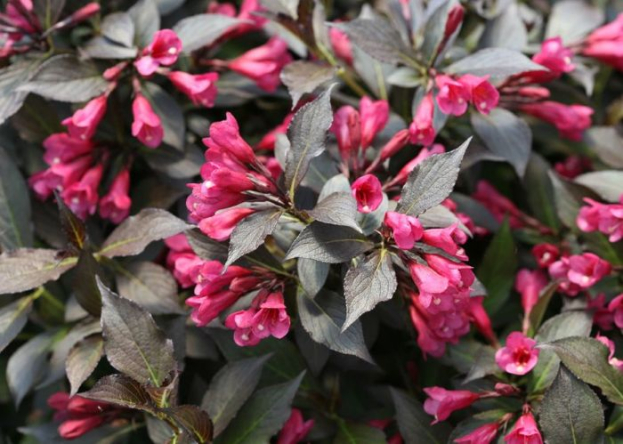
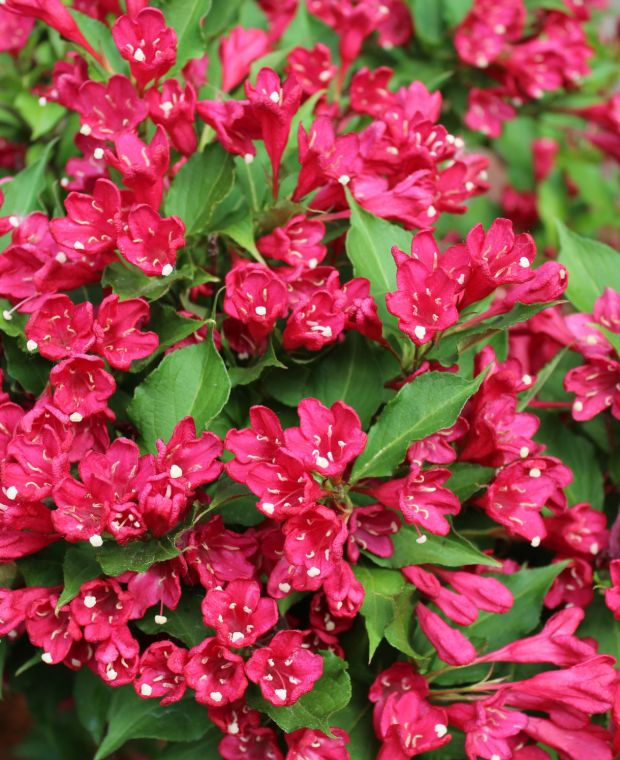
Few ornamental plants can match the character and beauty of the weigela. This old-fashioned deciduous shrub, which blooms in profuse clusters in the spring, requires virtually no maintenance other than a little pruning and watering.
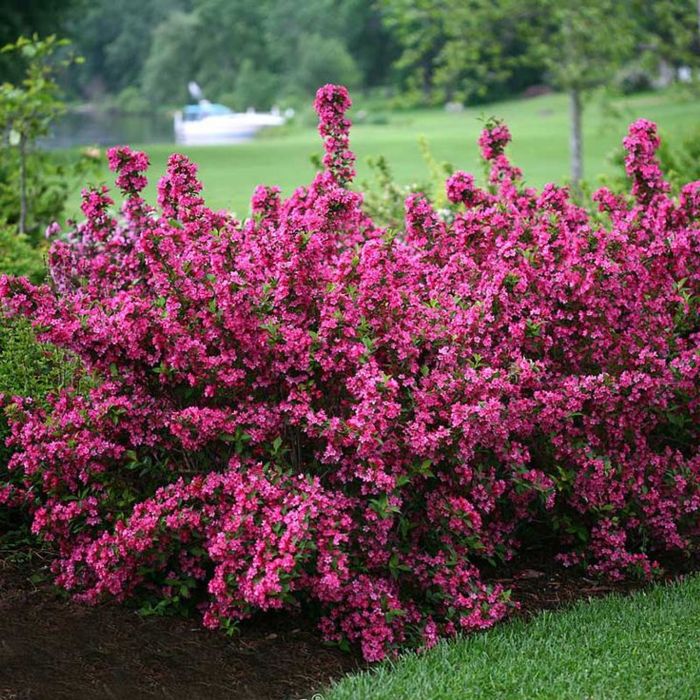
A member of the honeysuckle family, weigela is native to parts of Asia and was first imported to Europe in the 1800s. It tolerates both heat and cold, making it an ideal addition to your garden or yard.
When and Where to Plant
The cool months of spring or fall are the best time to plant to avoid transplant shock from intense summer heat. Choose a sunny location with moist, well-drained soil.
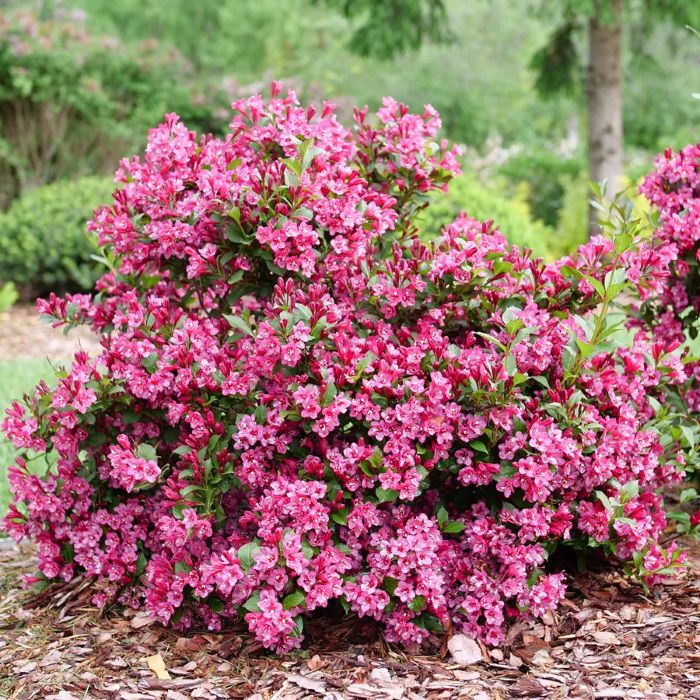
Dig a hole the same depth as the root ball and 2 to 5 times wider. Loosen the soil and add 15-20% compost to the backfill. If the plant is rooted, pull up the roots or cut the root ball in several places. Set the plant in the hole and backfill the root ball to just below the top of the root ball; do not cover the top of the root ball or the stem with soil. Water thoroughly, then mulch with loose organic matter. Continue watering regularly until established.
Pruning
Remove any dead branches in early spring when the shrub begins to leaf out. Because weigela flowers on the previous year's growth, other pruning and shaping should be delayed until after spring flowering.
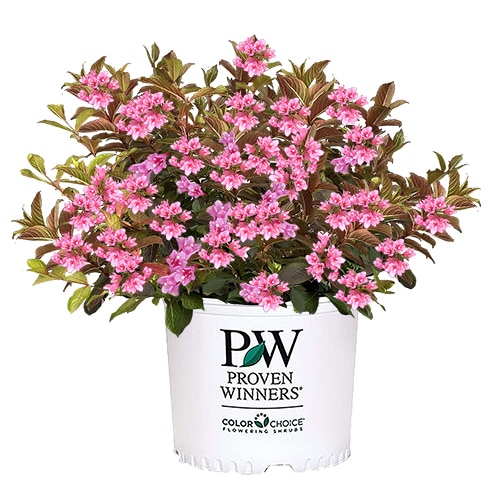
Prune to a healthy set of side shoots, which will ensure vigorous growth and flower buds for the following season. Dwarf varieties need little, if any, pruning. Larger mature specimens benefit from removing old branches to rejuvenate the plant. In late winter or early spring, prune back no more than one-third of the oldest branches at the base. This can be repeated every few years.
Watering
Once the Weigela has established itself, water it sparingly, but in hot, dry climates, regular watering is necessary.