Underground luxury: How billionaire bunkers became the new status symbol
 16:22 30 July, 2025
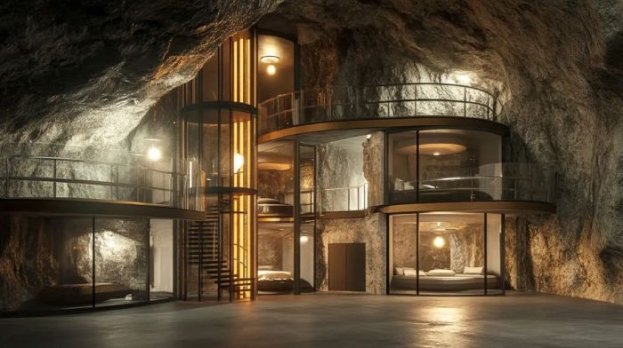
Once the domain of conspiracy theorists and doomsday preppers, private bunkers have become the latest frontier of extreme luxury. No longer bleak concrete shelters stocked with canned goods, today’s elite hideaways are ultra-modern, tailor-made residences boasting five-star amenities — all hidden deep beneath the surface, reports Robb Report.
From Paranoia to Prestige
“The modern buyer isn’t a tinfoil-hat type preparing for the end times — it’s CEOs, celebrities, and global investors who want to be ready for anything,” says realtor Chad Carroll of The Chad Carroll Group.
The surge in interest is driven by global instability and a growing sense of vulnerability. “World events are no longer just political drama — we’re living through real geopolitical crises,” says Naomi Corbi from SAFE, a company specializing in fortified high-end residences. Many of her clients have access to classified information and are investing in security without limits.
Bunkers Reimagined
Forget gloomy shelters. Today’s bunkers are more like underground palaces. One SAFE client, a professional golfer, installed a top-tier golf simulator and a private putting green. Another, an art collector, built a subterranean gallery impervious to nuclear, chemical, biological, and electromagnetic threats.
Other popular features include:
-
Private cinemas
-
Saunas
-
Shooting ranges
-
Hydroponic farms
-
Crematoriums
A Panic Room Under the Bed
Bill Rigdon, founder of Panic Room Builders, says he once catered to Mormon clients — now, he’s designing multimillion-dollar complexes with armored elevators, tunnel networks, and even drone vaults.
“You can go from your bedroom straight into a state-of-the-art underground bunker with a gourmet kitchen, wine cellar, and full-scale security system,” Rigdon explains.
In cities like Los Angeles, having a panic room or underground escape route has become a major selling point for high-end real estate. Rumored owners of such luxury bunkers include Bill Gates, Mark Zuckerberg, Kim Kardashian, Tom Cruise, and billionaire Peter Thiel.
Zuckerberg, for example, is building a $300 million compound in Hawaii that features a 5,000-square-foot bunker with autonomous supplies of food, water, and energy.
Escape Meets Entertainment
Some clients are now treating bunkers as recreational spaces. One SAFE project included an 11,000-square-foot underground home for a family of four. Another client requested a miniature replica of the Monaco Grand Prix circuit — built underground for his kids to race electric cars.
Security as a Lifestyle
Today’s ultra-wealthy don’t just want protection — they want luxury-level resilience. Standard features now include:
-
Spa zones
-
Premium kitchens
-
Custom designer interiors
-
Swiss blast-proof doors
-
Radiation shielding
“Luxury now isn’t just marble countertops or square footage — it’s control and autonomy,” Carroll notes. That includes private generators, off-grid water systems, energy independence, and even AI threat protection.
Apocalypse Now — and Trending
According to Rigdon, the rise of apocalyptic pop culture — from Netflix series to big-screen thrillers — has only increased demand. As a former consultant for the film Panic Room (2002), he’s seen attitudes shift dramatically:
“They used to laugh at me,” he says. “Now I’m booked out months in advance.”
In today’s uncertain world, peace of mind — with a luxury finish — may just be the most coveted asset money can buy.