Maxim’s Controversial “Unsexiest Women” list from 2007 resurfaces, sparks outrage nearly two decades later
 12:36 7 August, 2025
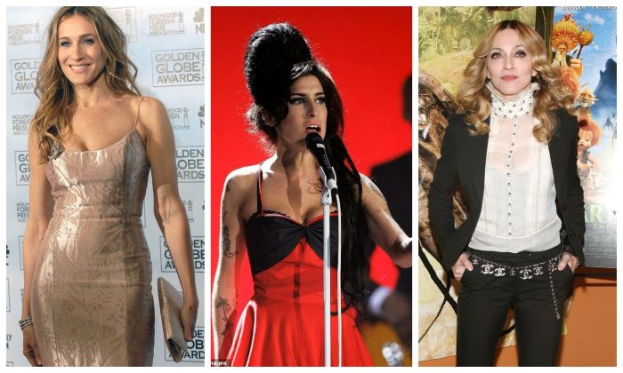
An infamous 2007 article by Maxim magazine has come back to haunt the publication, drawing widespread backlash on social media nearly 20 years after its original release. The piece, titled “The Five Unsexiest Women Alive”, ranked a group of female celebrities accompanied by scathing commentary on their looks, personal lives, and public personas.
The list recently resurfaced on Reddit, reigniting fierce criticism over what many now view as a glaring example of 2000s-era misogyny.
Who Was on the List?
- Sarah Jessica Parker
The Sex and the City star topped the list, with the magazine mocking her appearance and questioning her casting in a show with “sex” in the title:

“How did this woman with a horsey face land the lead in a show called Sex and the City?”
- Amy Winehouse
The late singer, who passed away just four years later, was ridiculed for her appearance:

“Translucent skin like a sick person’s, hair like a rat’s nest, and eyelashes like stitched-on bat wings.”
- Sandra Oh

The Grey’s Anatomy actress was criticized for her “cold demeanor” and “boyish figure.”
- Madonna
Described as “whiny” and “aging rapidly post-marriage,” the pop icon was compared to actor Willem Dafoe. The article also mocked her for adopting children from impoverished countries:
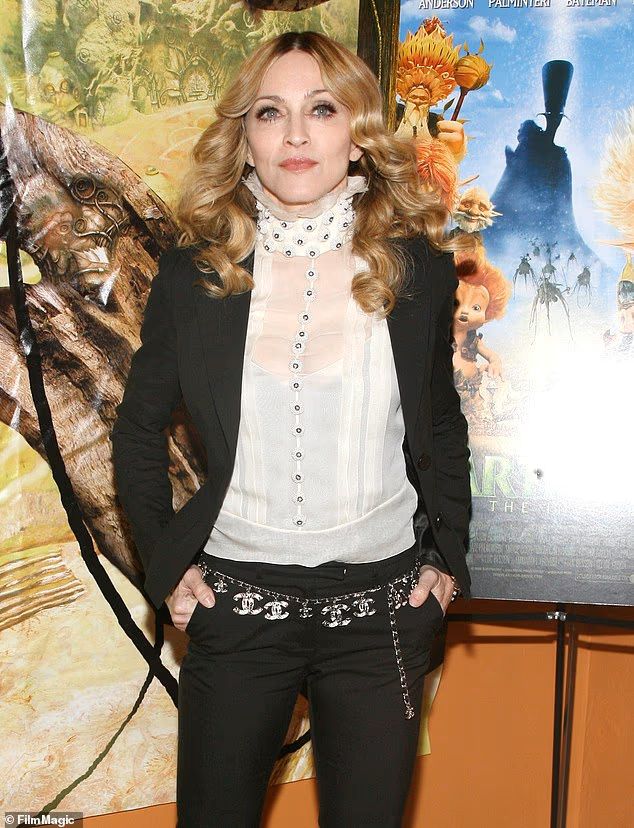
“A face like a sealed Eurotrash container.”
- Britney Spears
Mocked for weight gain and her personal life, Spears was described as having “lost the ability to perform” and being frequently seen:
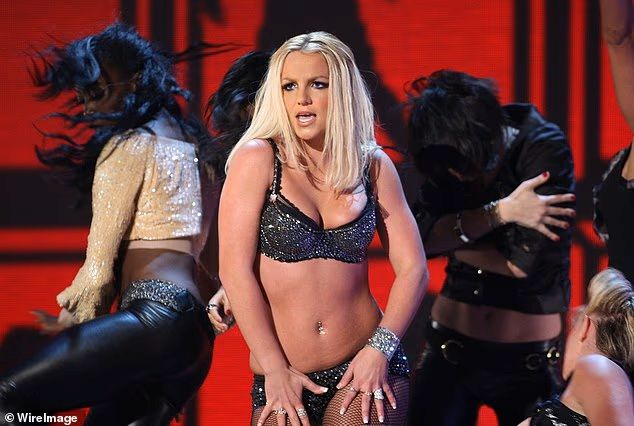
“Wearing sweatpants stained with chicken grease on tabloid covers, with two kids, two useless exes, and ten pounds of Funyuns fat.”
Then and Now: A Legacy of Backlash
Even in 2007, the list faced media scrutiny and public disapproval. But its recent resurfacing has sparked a new wave of outrage, particularly among younger generations who were shocked by the tone and content of the piece.
Social Media Reactions:
- “This isn’t a list of ‘unsexy’ women — it’s a takedown of successful, powerful women to boost male egos.”
- “They were basically punished for aging, having opinions, or not pandering to the male gaze.”
- “Putting Sandra Oh on the list for the personality of a fictional character? That’s just lazy and ridiculous.”
- “Young people today have no idea how normalized misogyny was in the 2000s.”
Sarah Jessica Parker Responds
In past interviews, Sarah Jessica Parker admitted the article deeply upset her: “Am I really the least sexy woman in the world? That’s awful. The article was full of anger and cruelty.”
Interestingly, Maxim backtracked just a year later, dubbing Parker their “surprise crush” in a 2008 article. The original 2007 list has since been quietly removed from the magazine’s website.
A Sign of the Times
The resurfacing of the list has reignited broader conversations about how women — especially in entertainment — were judged, ridiculed, and publicly dissected throughout the early 2000s. Critics say it serves as a stark reminder of a media culture that weaponized beauty standards and dehumanized celebrities for entertainment.
As one commenter summed it up: “We’ve come a long way — but this is why we can’t forget where we started.”