British intelligence suspected Rolex founder of Nazi ties and espionage during World War II
 23:01 12 August, 2025
Secret MI5 files reveal that Hans Wilsdorf, the German-born founder of the iconic Rolex brand, was under serious suspicion by British authorities during World War II for Nazi sympathies and possible espionage activities.
Declassified documents held at the UK National Archives describe Wilsdorf as “highly suspect” and suggest he may have used his position to disseminate propaganda supporting Adolf Hitler’s regime, reports The Telegraph.
The files, dated 1941 to 1943 and many marked with the wartime MI5 codename “Box 500,” reflect concerns that Wilsdorf posed a national security risk—even though he had already become a British citizen by that time.
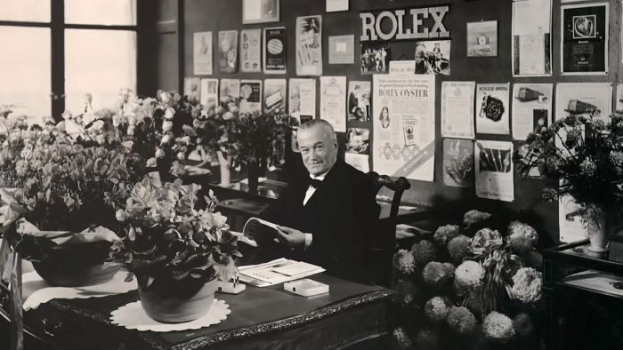
Born in Bavaria in 1881, Wilsdorf moved to London in 1903 and founded Rolex. The company relocated to Geneva in 1919. During the war years, British authorities increasingly questioned the entrepreneur’s loyalty.
Particular attention was drawn to Wilsdorf’s brother, Karl, who worked in Joseph Goebbels’s Ministry of Propaganda. Swiss police also monitored Wilsdorf, suspecting him of spreading Nazi propaganda worldwide.
A 1943 MI5 report expressed fears that Wilsdorf was engaging in espionage on Germany’s behalf by controlling Rolex’s British division in Bexleyheath.
Despite the allegations, the British government refrained from blacklisting Wilsdorf commercially, as Rolex had extensive business ties within the British Empire, and a ban could have severely damaged the economy.
The documents highlight a notable incident: Wilsdorf sent free Rolex watches to British prisoners of war during the conflict. Wehrmacht officers frequently confiscated personal items, including watches, from POWs. One soldier, Clive Nutting, appealed to Wilsdorf for replacements, who obliged and even sent extra parcels with food and tobacco.
However, British officials questioned the true motives behind these generous acts, suspecting they were aimed at improving Rolex’s image and securing the brand’s postwar business interests.
Rolex has acknowledged the existence of these archives and announced an independent investigation led by Swiss historian Dr. Marc Perrin, an expert on Switzerland’s WWII history.
“In the interest of transparency, we will publish the findings once the research is complete,” the company stated.
Interestingly, suspicions may have been further fueled by Rolex supplying watches to Italian frogmen—an elite unit fighting alongside the Axis powers.