$160 lipstick, $2,890 mini trunk: How Louis Vuitton and luxury brands turn “small joys” into a trend
 22:30 11 September, 2025
With luxury prices rising, many shoppers are experiencing “sticker shock.” In response, high-end brands are experimenting with more accessible products to stay relevant and attract younger audiences.
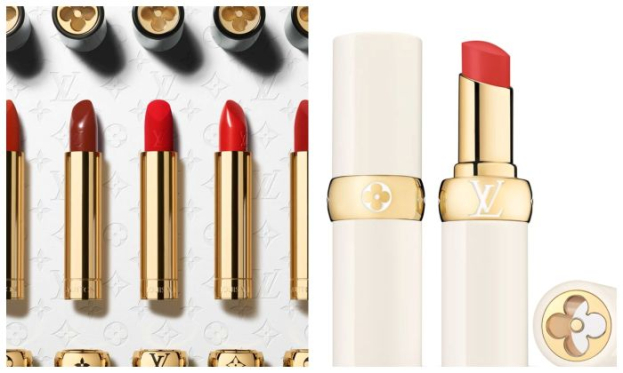
A prime example is Louis Vuitton’s long-awaited cosmetics collection, which hit stores in August 2025. Although the brand’s signature lipsticks retail for $160, this demonstrates LVMH’s strategy to broaden its audience without compromising its premium offerings, according to CNBC.
“Mega-brands wisely leverage more accessible categories to engage a broader audience of luxury aspirants,” says Luca Solca, head of global luxury goods at Bernstein.
The collection includes 55 lipsticks, 10 lip balms, 8 eyeshadow palettes, and a mini trunk priced at $2,890. Celebrity makeup artist Pat McGrath contributed to the project, ensuring it appeals to young consumers, especially in the U.S.
Other luxury houses are following suit. Prada, Celine, Dries Van Noten, and Miu Miu are expanding their offerings with cosmetics, small accessories, and jewelry. The popularity of small luxury items, such as Labubu keychains, has inspired brands to create mini-accessories priced up to $1,420 — products buyers are willing to splurge on while saving on larger purchases.
This strategy also helps brands counteract slowing sales, tariff pressures, and rising costs. “Brands are using a proven tactic: introduce accessible categories to attract a new audience while retaining existing customers,” says Morningstar analyst Elena Sokolova.
Introducing more accessible products can build brand loyalty among younger and broader audiences. “Young consumers engage with luxury brands through cultural relevance, online presence, and marketing,” note Bank of America experts.
LVMH CFO Cecile Cabanis emphasized in Q2 2025: “We need to connect with a new generation, offer accessible categories — like fragrances and small leather goods — and gradually guide them up the price ladder.”
The key challenge for brands is expanding their audience without diluting prestige and exclusivity. Past mistakes show that excessive price cuts can harm a brand’s image among wealthy clients.
Whether this new approach will succeed in the current economic climate remains uncertain. “This strategy worked a decade ago, but it’s too early to draw conclusions now,” Sokolova noted.