Louvre masterpieces arrive in Yerevan: Exhibition "Sacred Dialogue" opens
 19:31 21 September, 2025
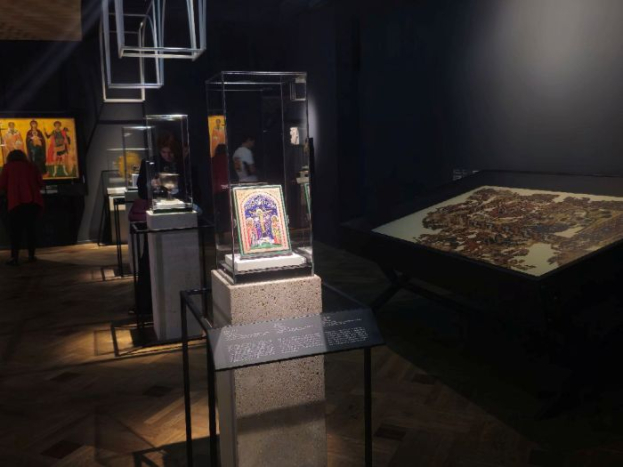
For the first time, sixteen masterpieces from the Louvre’s collection have arrived in Yerevan to enter into a symbolic conversation with relics preserved for centuries in Armenian collections.
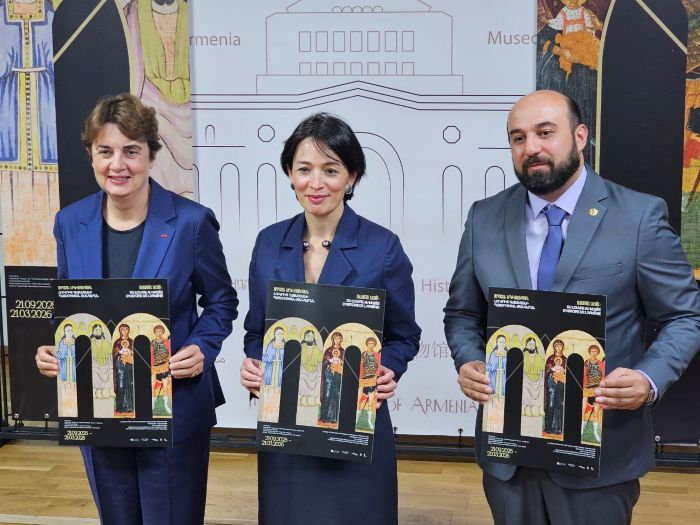
David Poghosyan, Director of the History Museum of Armenia, linked the opening of the exhibition to a milestone national date: “On behalf of the museum, allow me to congratulate all of us on this momentous event, which coincides with the most important day for our country—Independence Day: the opening of a truly unique and significant international exhibition.”
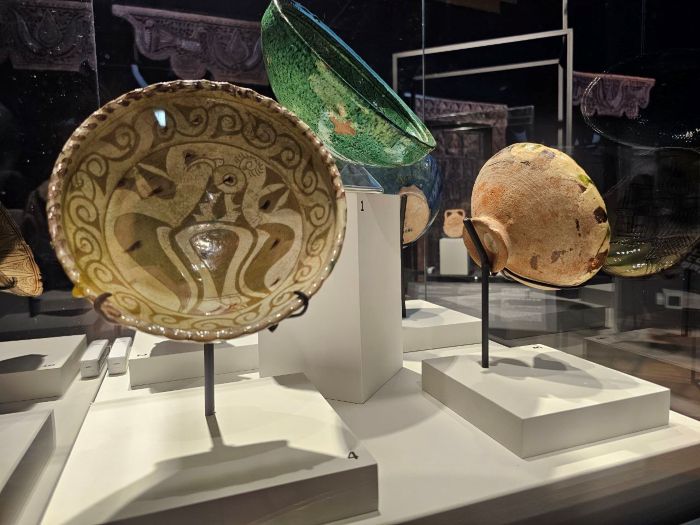
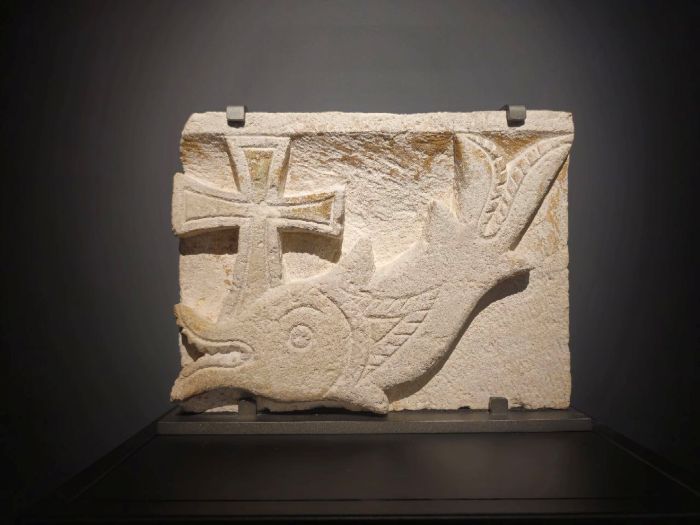
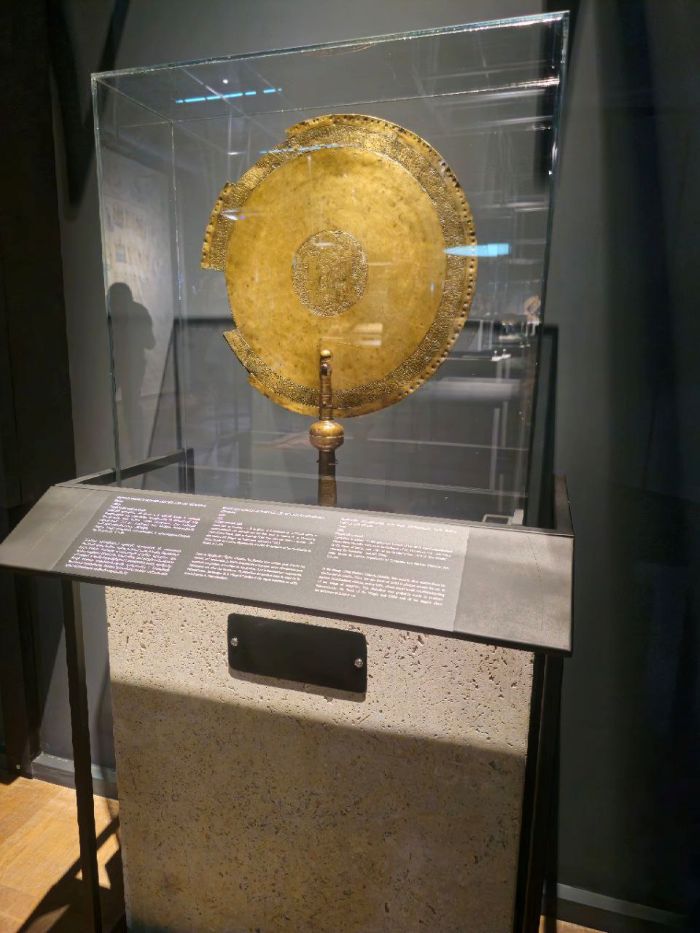
The exhibits span a vast geographic and chronological range—from the 4th to the 19th century, from Egypt and Byzantium to Crete and Jerusalem. Among them are a tapestry depicting the Prophet Jonah, an Egyptian sculpture of a cross and fish, a Byzantine ewer of Gane, a 12th-century silver bracelet, a 15th-century Cretan icon, and a 19th-century crucifixion icon.
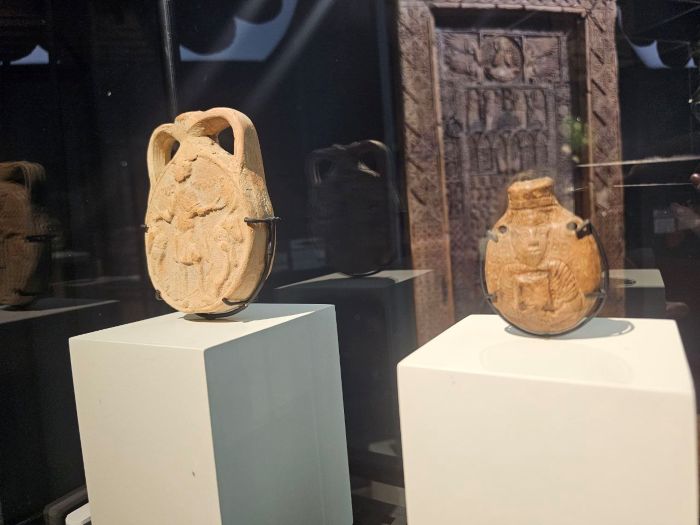
They are presented in dialogue with outstanding treasures from the holdings of the History Museum of Armenia: a winged cross from Dvin, capitals from the Church of the Holy Apostles at Sevan, a censer from Ani, the altar of the Monastery of Saint Hovhannes in Bagesh, a church veil from Gavar, and the relic of Saint Bartholomew the Apostle from Etchmiadzin.
Louvre President-Director Laurence des Cars emphasized: “For me, it is an immense joy and a great honor to be here in Armenia today.” She explained that the idea of the exhibition was conceived nearly two years ago. “We felt it was symbolically important to bring several works from the Louvre to Yerevan and allow them to engage in dialogue with the precious objects preserved here.”
She also stressed that this is just the beginning of collaboration. “This exhibition is only the first step in our partnership. At the heart of this beautiful project lies a word the world needs so much today—the word dialogue.”
Armenia’s Minister of Education, Science, Culture and Sport, Zhanna Andreasyan, underlined in her speech that such projects strengthen not only cultural identity but also statehood. She added that the exhibition will be integrated into the educational process: “Exhibitions not only showcase objects, they also provide opportunities to learn and explore. Visitors can discover much more than what is written in books. I am pleased to announce that this exhibition will be incorporated into the curriculum, and our students will be able to visit and participate in this meaningful event.”
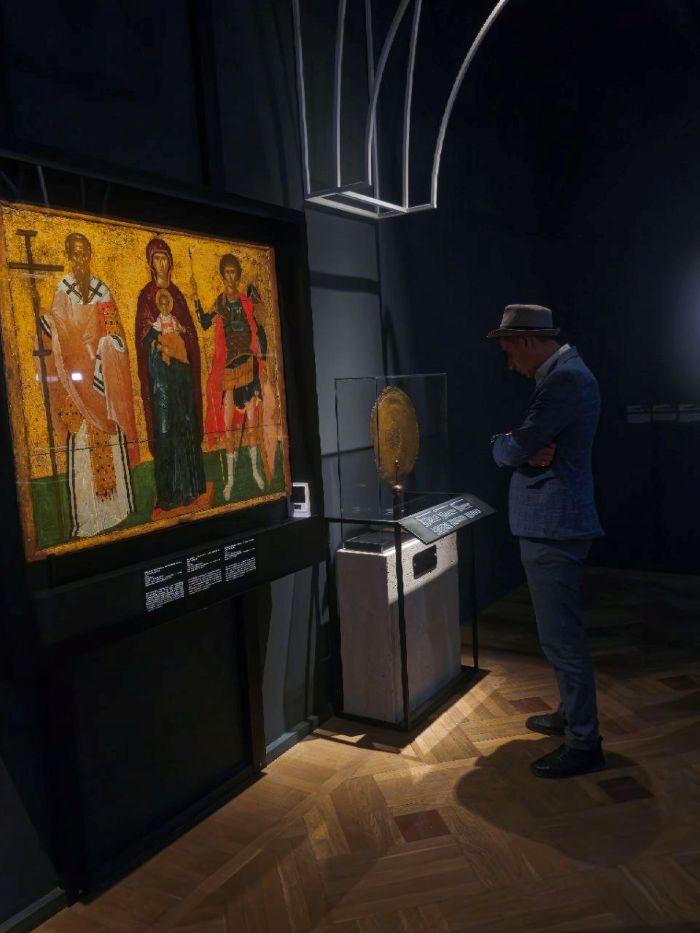
The exhibition Sacred Dialogue: From the Louvre to the History Museum of Armenia will run until March 21, 2026.