Luxury watches for the wealthy and rare: Why new models are getting pricier while millennials chase vintage
 22:22 28 October, 2025
It seems like old news, but luxury watches continue to rise in price. Brands are increasingly opening their own monobrand boutiques instead of selling through multibrand stores, even though clear signs show that consumers often prefer the latter. Additionally, vintage and pre-owned watches are becoming increasingly important for younger buyers, reports Robb Report.
These are some of the findings from Time Under Pressure, the eleventh edition of the Deloitte Swiss Watch Industry Study. The research, based on an online survey of 111 industry executives and more than 6,500 consumers across 13 countries, was conducted in June–July, before President Trump imposed a 39% tariff on Swiss imports. The study assesses the state of the watch industry in turbulent times.
“In general, among brand executives, the focus is still on cutting costs, improving efficiency, and reducing scale because no one knows what the future holds,” says Karin Szegedi, head of Deloitte Switzerland’s Consumer and Luxury division.
“It’s similar to the COVID period: saving was the top priority at first. But now crises come one after another, sharper and faster. Yet somehow, the watch industry always manages.”
Rising Watch Prices
One way executives are coping with the triple challenge — tariffs, a stronger Swiss franc, and rising gold prices (which surpassed $4,000 per ounce on October 7) — is by increasing watch prices.
“Most brands have raised prices since early September,” notes Szegedi.
“Price increases are happening not only in the U.S. but globally, because the Swiss franc creates challenges for all markets. Large price gaps between the U.S. and other markets must be avoided due to gray markets, tourism, etc.”
Stores and Consumer Preferences
The study also found that physical stores remain more important than ever. Over 60% of respondents said they purchase watches in-store, with 51% valuing the ability to try them on and 44% highlighting consultations and personal interactions with sales staff.
Overall, multibrand stores are more popular (38%) than monobrand boutiques (23%), though there are generational differences. Boomers and Gen X appreciate the variety offered by multibrand stores (46%), while younger buyers less so (27%).
“When buying your first or important watch, you usually go to a monobrand store to see the full collection and get expert advice,” explains Szegedi.
“But eventually, you think: ‘This is a big investment. Maybe there’s a better-priced alternative?’ In a monobrand store, you can only compare models from one brand, while sometimes you want to look more broadly. Our research also showed that women feel more comfortable in non-monobrand stores, since monobrand boutiques often focus on men and watches, whereas women may also be interested in bracelets, rings, or watches.”
Despite consumer preferences, brands still favor monobrand boutiques — 41% of senior executives plan to open a new boutique within the next 12 months.
Vintage and Pre-Owned Watches — A Trend Among Young Buyers
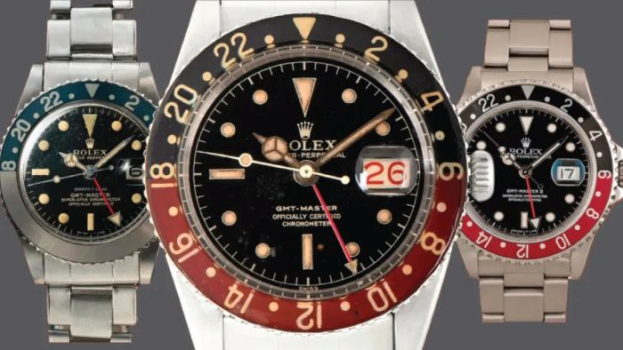
Watch companies aiming to attract younger generations should offer vintage and pre-owned watches in their stores. According to the study, 40% of Millennials and Gen Z plan to purchase pre-owned watches within the next 12 months, compared with 20% of Baby Boomers. They are drawn by affordability (53%) and the opportunity to acquire unique or discontinued models (36%). “Generation Z is reshaping the watch market,” Szegedi notes.
“Their main criteria are accessibility, uniqueness, and sustainability. The boom in pre-owned watches is no longer a niche trend; it’s becoming one of the key drivers of industry growth.”