The world’s most expensive rice from Japan: Kinmemai Premium wins over food connoisseurs
 22:18 5 November, 2025
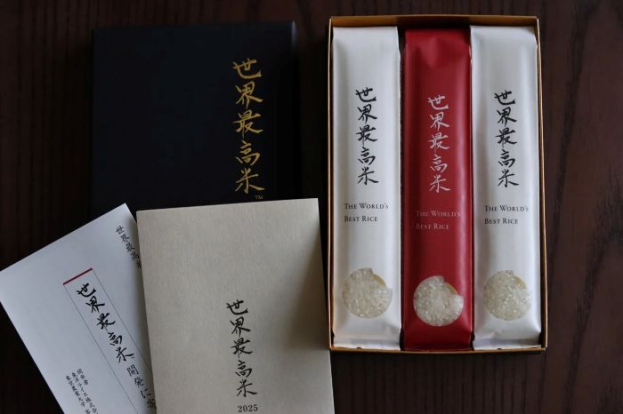
Holding an elegant black box embossed with gold lettering proclaiming “World’s Best Rice,” Japanese chef Kenichi Fujimoto offers a skeptical smile. “These premium products are often more about marketing than actual quality,” says the owner of Sushi Fujimoto in Hong Kong.
Yet, with more than 20 years of experience under Michelin-starred mentors, Fujimoto admits he has never encountered rice like this before.
Global Recognition and Record-Breaking Prestige
Producers of Kinmemai Premium claim it is the finest rice in the world. In 2016, Guinness World Records named it the most expensive rice globally. Only 1,000 boxes are produced each year, with prices reaching 10,800 yen (around $73 per box).
For the Japanese, rice is more than food — it’s a “soulful experience,” Fujimoto notes. “For sushi, rice is the most important ingredient: 80% of the taste comes from it, and only 20% from the fish.”
Crafting a Unique Product
Keiji Saika, 91, president of Toyo Rice Corporation, told CNN that Kinmemai Premium isn’t a commercial venture but a mission to elevate the prestige of Japanese rice and encourage farmers to cultivate superior varieties.
Each year, Saika selects 4–6 top rice varieties from over 5,000 candidates, evaluating not just flavor and texture but also enzyme levels, which indicate the grain’s vitality. The rice then undergoes a careful aging process to enhance both taste and nutritional value.
Premium Taste and Culinary Experience
Chef Fujimoto prepared the rice in a cast-iron pot and praised its quality: “The color is pure, the grains are shiny, the aroma is balanced — the taste is harmonious, and the texture is excellent.”
However, he noted that Kinmemai Premium is too expensive for typical sushi service and is better suited for kaiseki, the traditional multi-course Japanese dining experience.
Another Hong Kong-based chef, Nansen Lai, compared it to a typical Thai-Japanese rice blend: “It’s flavorful, with a more complex, deeper taste. This rice can be enjoyed on its own, without any additions.”
Mission and Legacy
Saika emphasizes that his work transcends business. “At 91, I continue to go to work every day because I care about Japan’s future and societal development,” he says.
Kinmemai Premium is more than expensive rice — it’s a symbol of Japanese culture, dedication to quality, and respect for tradition, inspiring both chefs and farmers across the country.