Bernard Arnault in Shanghai: LVMH chief snaps up Chinese brands amid falling demand for foreign luxury
 23:02 18 November, 2025
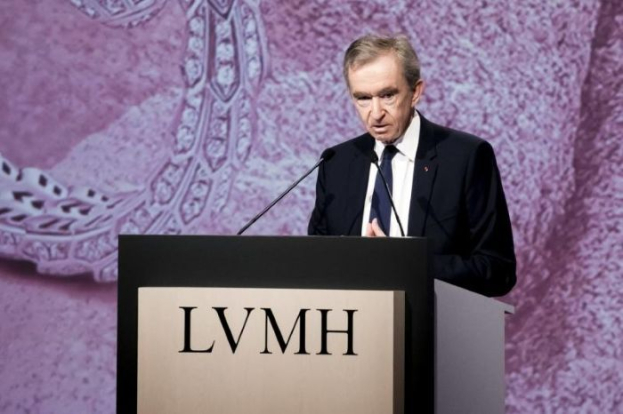
When Bernard Arnault, one of the world’s richest people and chairman of LVMH, visited Shanghai in September, many expected a routine tour of Louis Vuitton, Dior, and other group boutiques in the city’s luxury malls. Instead, Arnault took a surprising turn: he shopped at Chinese brands, Bloomberg reports.
At the new Qiantan Taikoo Li mall, he visited Songmont, a minimalist leather goods brand, purchasing two handbags. He also stopped by Laopu Gold, a local jewelry brand neighboring Cartier and Van Cleef & Arpels, spending about 30 minutes and calling the pieces “refined” and “interesting.”
This move was symbolic: the head of the company that helped shape modern luxury is now showing interest in brands that could define the future of China’s luxury market.
Chinese Brands on the Rise
China’s economic slowdown has dampened demand for foreign luxury brands, while local labels are gaining traction. Online platforms have fueled their growth: over the past two years, five Chinese brands in handbags, apparel, fragrances, cosmetics, and jewelry have outpaced seven foreign competitors in sales growth.
-
Laopu Gold’s online sales jumped over 1,000% in the first three quarters compared to two years ago.
-
Songmont handbags grew around 90%, while Gucci’s online sales in China fell by more than 50%, and Michael Kors by 40%.
On Tmall, China’s largest e-commerce platform, some domestic brands now outperform foreign competitors in revenue: in the 12 months through October, Laopu Gold sold $630 million, Van Cleef & Arpels $57 million, and Mao Geping $125 million, more than double Bobbi Brown’s sales.
Storytelling Over Price
Chinese brands focus on brand universe and storytelling, rather than just pricing. Songmont draws on Eastern aesthetics and calligraphy, while perfume brand To Summer uses traditional ingredients like tea, osmanthus, and dried orange peel. ICICLE channels Confucian ideals of harmony and restraint.
This approach is particularly effective online: Songmont launched a podcast about urban women’s lives, emphasizing self-respect and diverse values rather than social status.
Challenges and Outlook
Despite impressive growth, Chinese brands still hold a small market share. Major Western labels account for about 63% of China’s personal luxury market. Economic headwinds could slow expansion, as luxury growth depends on rising incomes and an expanding middle class.
Still, local brands are beginning to attract global buyers, with younger consumers seeking unique products tailored to their cultural context rather than just Western logos.
The Chinese luxury market is evolving: domestic brands are delivering quality, cultural identity, and growing popularity, while foreign labels face slower demand. As consumers become more selective, the future of luxury in China is increasingly homegrown.