Chanel Turns New York City Subway Into an Underground Runway
 22:04 4 December, 2025
Chanel chose a location for its annual Métiers d’Art show that has little to do with fashion houses or haute couture ateliers: this year, the runway was set inside the abandoned Bowery subway station in Manhattan.
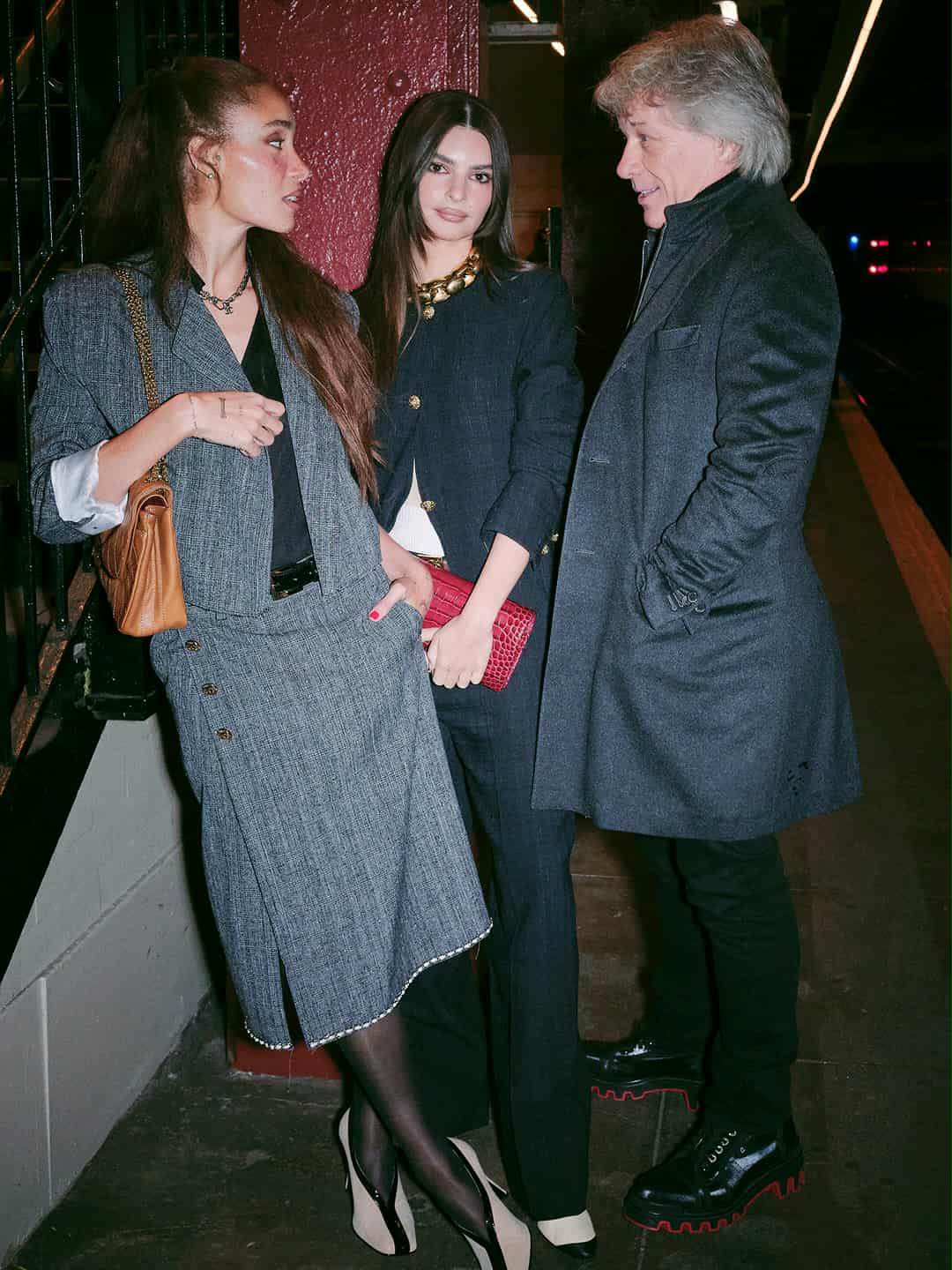
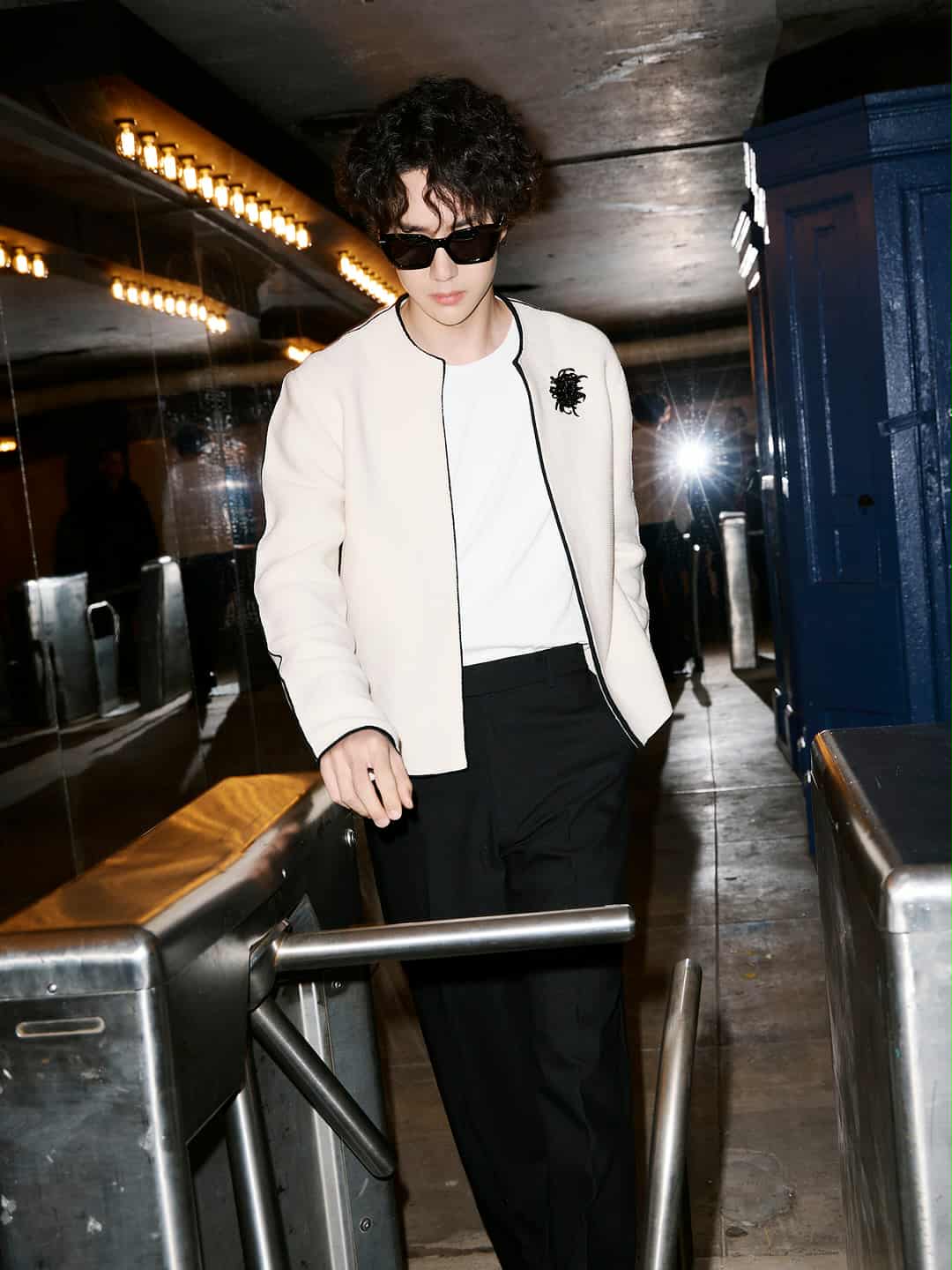
The station was completely transformed. Instead of rusted walls and graffiti, there was fresh terracotta paint, warm lighting, a stylized newsstand, vintage turnstiles, and rows of classic orange benches. Models arrived on an actual train, stepping out of the cars and walking along the platform as if blending into the flow of everyday commuters.
Métiers d’Art is Chanel’s traditional December project, created by Karl Lagerfeld in the early 2000s. Each collection honors the French artisan workshops — Maison Michel, Massaro, Lesage, Lemarié — responsible for the feathers, embroidery, lace, and iconic Chanel buttons. Their craftsmanship becomes the core of the show, which exists somewhere between ready-to-wear and haute couture.
For the house’s new creative director, Matthieu Blazy, this was his second major show. The location was kept secret until the last moment: invitations — a necklace featuring miniature train cars and a vintage subway map — hinted only subtly at the underground theme. In the accompanying “Chanel Gazette,” Blazy romanticized the subway as a place where students and heads of state can find themselves side by side.
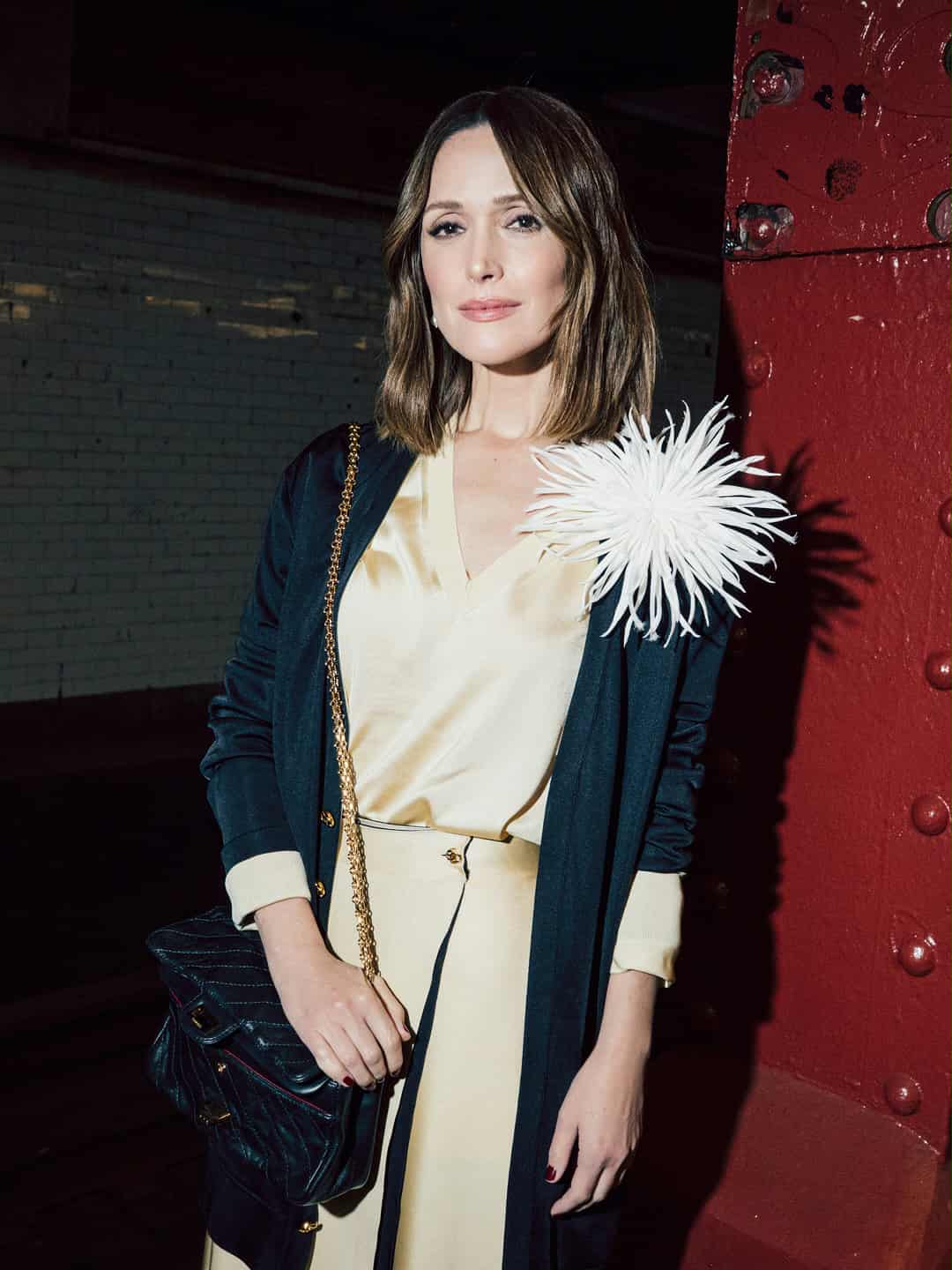
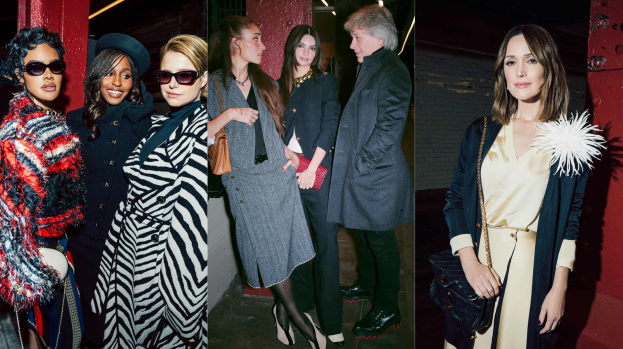
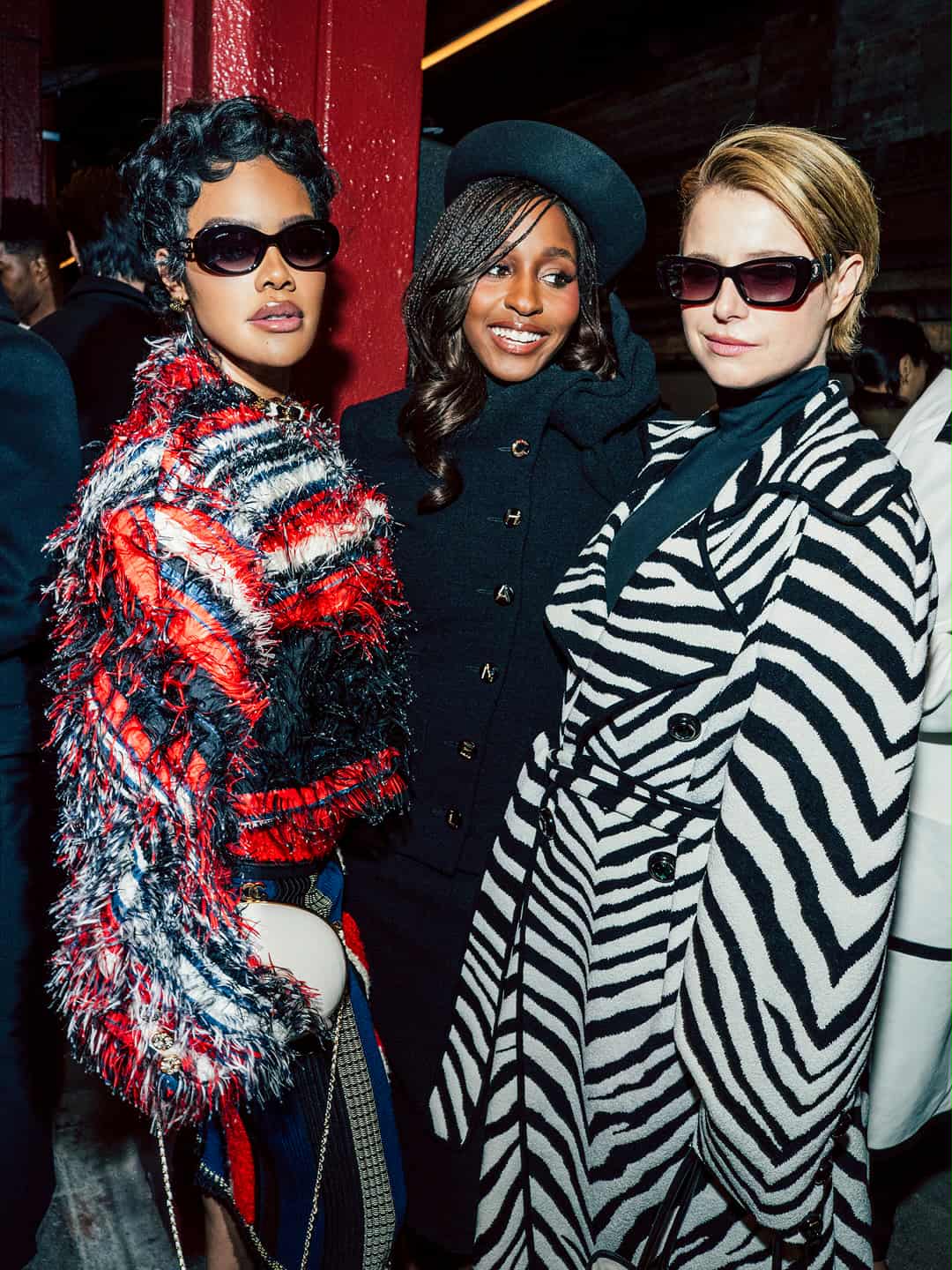
The fashion house brought hundreds of clients to New York, hosted a private cocktail at the Frick, and arranged an exclusive Nutcracker performance at Lincoln Center. On the platform itself, many guests assumed they were standing in a set — and were surprised to learn it was a real station, simply cleaned and meticulously redesigned. (Tom Ford famously used the same location for a show in 2019.)
The collection presented on the Bowery platform blended tweed, intricate embroidery, knitwear, and the signature Métiers d’Art techniques, delivered in a more vivid, urban tone. The focus was on contrast: artisanal virtuosity showcased in a space typically ruled by the functional chaos of a metropolis.