AI Sex Bots Fulfill Sexual Desires and Fantasies Faster and More Efficiently Than Humans
 23:01 23 December, 2025
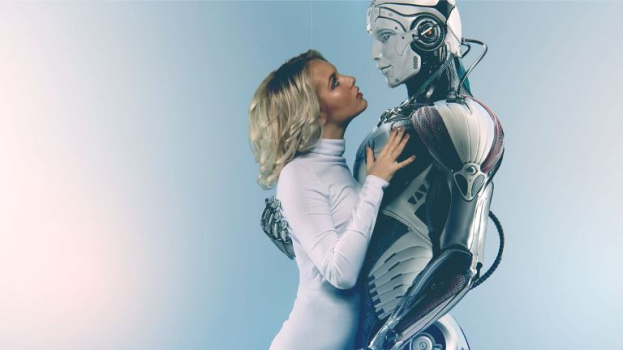
Artificial intelligence doesn’t just accept users’ boldest sexual fantasies – it actively accelerates their development. That’s the conclusion reached by analysts at Vantage Point Counseling in a new study.
According to lead analyst and licensed psychotherapist Michael Salas, interacting with AI is fundamentally different from intimacy with a real partner. Algorithms don’t object, don’t feel awkward, and don’t require emotional reciprocity, effectively removing natural psychological barriers.
“AI doesn’t resist or set boundaries. Without shame or feedback, people move much faster toward more intense or unconventional forms of sexual imagination than they would in relationships with a real person,” Salas notes.
The analysis is based on a systematic review of 23 scientific studies conducted in Singapore in August 2025. Researchers concluded that romantic and erotic AI bots are designed from the outset to satisfy virtually any preference – from emotional support to erotic role-play scenarios.
Experts emphasize that generative models instantly “remember” a user’s desires and amplify them, creating a closed-loop effect in which fantasies evolve faster than a person’s ability to reflect on or regulate what’s happening.
Specialists are particularly concerned that AI companions are increasingly replacing real intimacy. According to the study, interest in such apps rose by 200% in the first half of 2025. Around 15% of adults already use chatbots for explicit conversations, while among Gen Z and millennials that figure exceeds 25%.
Another emerging trend highlighted by experts is so-called “digital throuples” – intimate arrangements involving two people and a technology. Analysts predict this format could become one of the most talked-about phenomena of 2026.
The main danger, Salas argues, lies not in the technology itself, but in its potential to replace the complex emotional work required for healthy relationships.
“The risk isn’t that AI will replace a partner. The risk is that people will stop seeking the part of intimacy that requires vulnerability, dialogue, and growth,” the expert concludes.