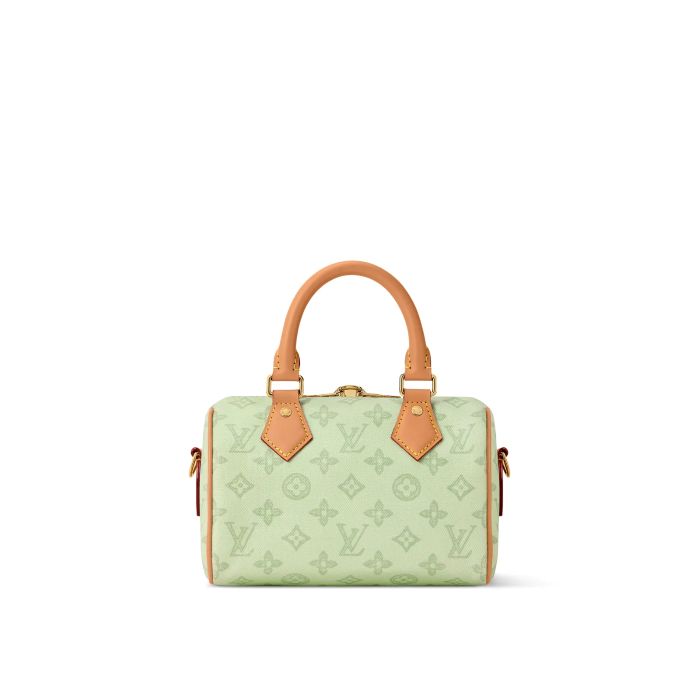
Louis Vuitton celebrates 130 years of iconic monogram with new bags
 21:25 13 January, 2026
When you think of Louis Vuitton, it’s not the Met Gala outfits or 50 Cent lyrics that come to mind — it’s the instantly recognizable monogram print, the symbol that adorns the brand’s bags, luggage, and iconic logomania-era hoodies. While this pattern has become synonymous with LV, the brand’s founder Louis Vuitton never actually saw it in his lifetime. The monogram was created by his son, Georges Vuitton, four years after his father’s death.

In 1896, Georges patented the unique design, combining interlaced LV letters with a floral motif. He drew inspiration from 18th-century travel trunks and Gothic architecture, particularly rose windows. Pierre-Louis Vuitton, head of the brand’s savoir-faire, notes that Japanese culture may have influenced the design as well, and even kitchen tiles in Georges’ home in Asnières might have sparked the pattern. “You can imagine Georges sitting with his morning coffee, contemplating what would become a future icon,” says Pierre-Louis.

This year marks 130 years of the Louis Vuitton monogram, celebrated with three exclusive capsule collections: Monogram Origine, VVN, and Time Trunk. Each collection draws inspiration from a different aspect of the brand’s legacy — the poetry of canvas, the purity of natural leather, and the artistry of trunk-making.

The iconic monogram appears on the brand’s most beloved silhouettes — Speedy, Keepall, Noé, Alma, and Neverfull — in a palette ranging from neutrals to powder blues and bubblegum pinks.
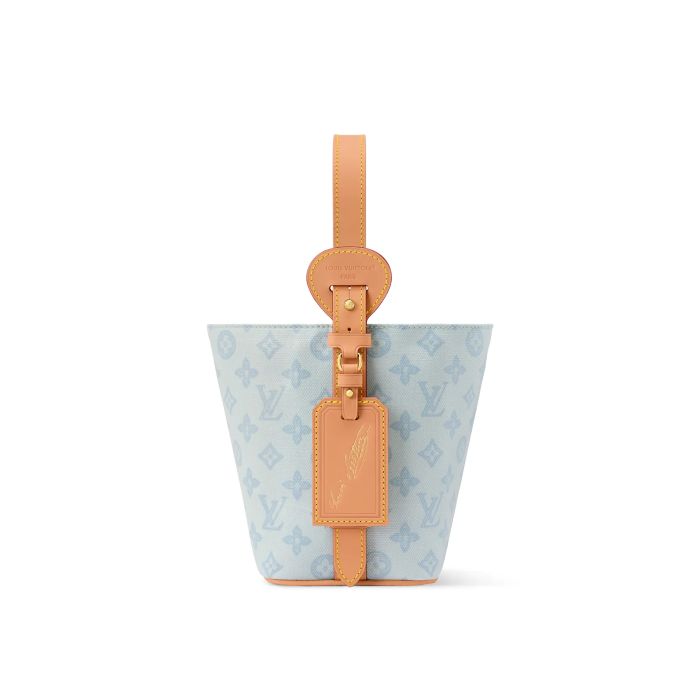
Over the decades, designers from Marc Jacobs to Pharrell Williams, as well as celebrated collaborations with Takashi Murakami, have reinterpreted the monogram.
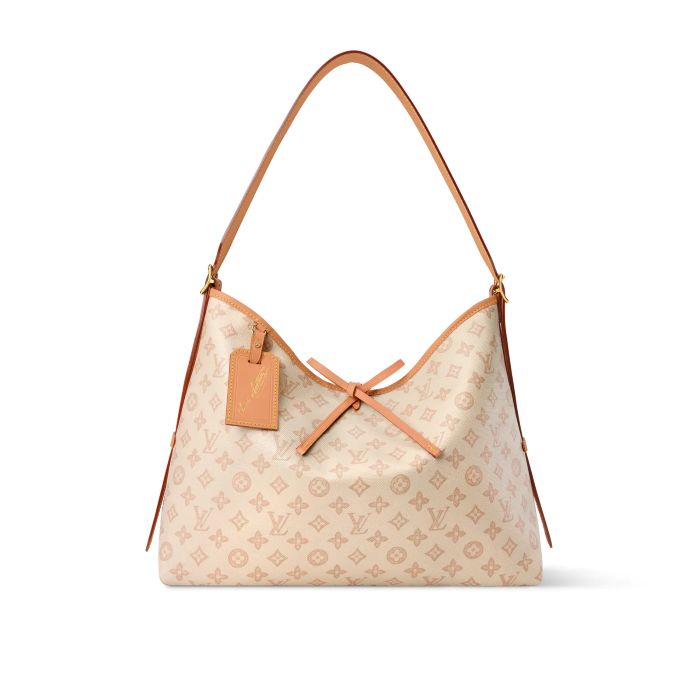
“The monogram is both a product and a canvas,” says Pierre-Louis. “It appears on jewelry, watches, and ready-to-wear. Its versatility and timeless relevance make it as important today as ever.”