Tokyo is becoming a “colony for the rich,” Pritzker Prize winner warns
 21:16 22 January, 2026
Renowned architect Riken Yamamoto, who won the Pritzker Prize in 2024—often called the “Nobel Prize of Architecture”—has sharply criticized Tokyo’s modern development, warning that the megacity is gradually turning into a “colony for the wealthy.” According to Bloomberg, Yamamoto said new projects are being built not for residents, but for the elite and investors.
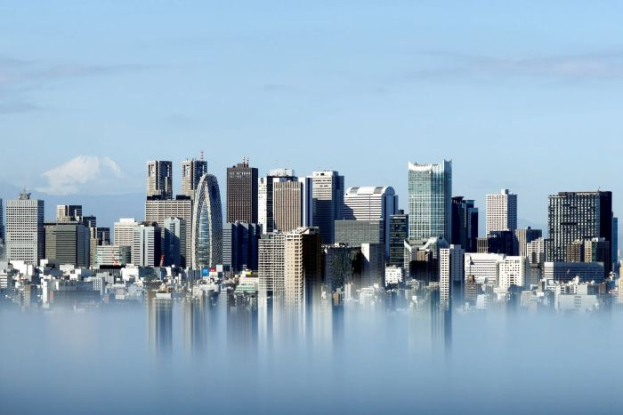
Tokyo has always been a city of constant change: old buildings are torn down and replaced with newer, earthquake-resistant structures. Yet for a long time, the capital maintained a human scale—narrow streets, small shops, cafes, and relatively affordable housing even in prestigious neighborhoods. Now, however, the city is being transformed by glass-and-steel “sculptures” — luxury offices, high-end boutiques, and upscale condominiums.
“This looks like a colony for the rich, for the neoliberal elite,” Yamamoto said. “What is being built now is completely unsuitable for local residents.”
The Rise of Tower Mansions and Luxury Office Space
The number of “tower mansions”—high-rise residential complexes—has been growing rapidly as the city seeks to accommodate its population. In Greater Tokyo, there were 812 such buildings in 2024, and roughly a quarter of them were built in the last 10 years. Office real estate is also expanding: about 1.8 million square meters of new office space is expected to enter the market between 2024 and 2026.
Elite Enclaves and Mori Building Criticism
Yamamoto acknowledged that developers are necessary for the city, but he expressed concern that new projects are creating closed, wealthy enclaves. He singled out Mori Building’s large-scale complexes—Tokyo’s famous Roppongi Hills and Azabu Hills—which have become symbols of elite urban development, featuring luxury shops and meticulously manicured greenery.
He even named prominent architects Kengo Kuma and Tadao Ando, questioning whether they consider local communities when designing their projects.
His remarks stand out in Japan’s architectural culture, where public criticism of peers is rare. But the public has already shown signs of discontent: in 2024, plans to redevelop the Meiji Jingu Gaien area sparked protests over the cutting of ancient ginkgo trees, and the relocation of the historic Tsukiji market became a symbol of the “loss of the city’s soul.”