LVMH sees sales growth amid market uncertainty, warns Bernard Arnault
 17:30 28 January, 2026
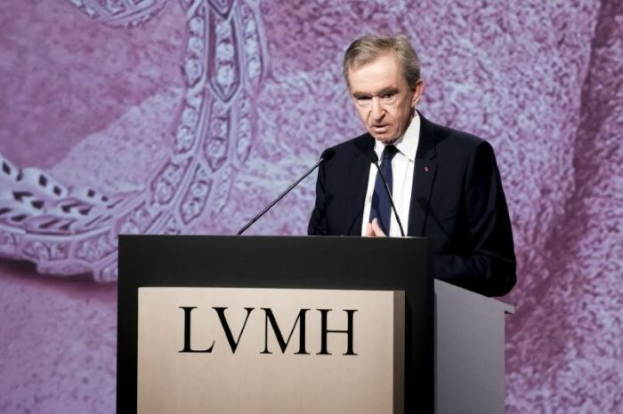
LVMH CEO Bernard Arnault has cautioned that ongoing geopolitical instability is making it difficult to make “serious predictions” for 2026, despite reporting growth in the fourth quarter, according to the Financial Times.
The luxury conglomerate, which owns Louis Vuitton and Dior, saw organic sales rise 1% in Q4 to €22.7 billion, slightly exceeding analyst expectations and maintaining momentum from the previous quarter. This has fueled hope that the luxury sector may be slowly emerging from a painful multi-year slump.
“I am optimistic in the medium term, but in the short term, it’s hard to make serious forecasts,” Arnault said, citing unpredictable government decisions in several countries.
2025 proved challenging for the industry, as trade tensions between the US and China, two of the biggest luxury markets, continued to weigh on sales. The tense geopolitical backdrop has carried into 2026, including US President Donald Trump’s threats to impose higher tariffs on European nations.
Financial results show that LVMH still faces challenges. Its Fashion & Leather Goods division, which accounts for more than half of the group’s profits, reported a 13% decline in operating profit to €13.2 billion, with sales of clothing and handbags down 3%.
In Asia (excluding Japan), dominated by China, sales rose 1% in Q4, a notable improvement after sharp declines earlier in the year.
Overall, LVMH’s operating profit fell 9% in 2025 to €17.8 billion, although this was better than analysts’ forecasted 12.4% drop. Barclays described the results as a “mixed bag,” highlighting weaker performance in the Fashion & Leather Goods segment.
Chief Financial Officer Cécile Cabanis emphasized that the company’s “creative renewal” initiatives during the downturn give confidence for gradual improvement in 2026, while warning that “the environment remains unstable and uncertain, and we may need to react to situations as they unfold.”
Analysts expect US consumers to drive luxury growth in 2026, with new designer debuts, including Jonathan Anderson at Dior, refreshing the product lines of major brands.
The Wine & Spirits division suffered the biggest hit, with operating profit down 25% to €1 billion, due to slumping cognac sales in China and the US. In contrast, the Watches & Jewelry division, including US jeweler Tiffany, posted 8% organic sales growth in Q4, emerging as a bright spot for the group.