Dubai under fire: Luxury market suffers amid war with Iran
 23:01 20 March, 2026
Beneath the world’s tallest building, Dubai Mall usually buzzes with activity as wealthy shoppers browse Rolex watches, Hermès bags, and Ferragamo shoes — or even splurge $80,000 on a Fabergé egg. The city has become the region’s retail powerhouse, accounting for half of all luxury sales in the Middle East, with most transactions concentrated in Dubai, according to Morgan Stanley estimates.
But nearly three weeks into the war between the United States, Israel, and Iran, the mall was almost empty. Around midday, a few shoppers carrying Louis Vuitton bags glanced at window displays, while most stores were open but devoid of customers, reports The New York Times.
Iranian attacks have shattered Dubai’s image as a safe, luxurious, and tax-friendly haven for the global elite in a volatile region. Drone strikes damaged Dubai International Airport and ignited a fire at the iconic Burj Al Arab, where suites can exceed $20,000 per night. Tourism has ground to a halt, and visitors scrambled to evacuate.
The conflict has triggered a crisis for luxury brands. Bernstein Research estimates that Middle Eastern luxury sales in March will drop by 50% due to the sharp decline in foreign visitors.
"If the conflict remains short-lived, Dubai could return to its former glory, and this will be only a temporary dip," said Luca Solca, analyst at Bernstein in Geneva. "But if the war drags on, the consequences will be far more serious."
Luxury Hubs Feel the Pressure
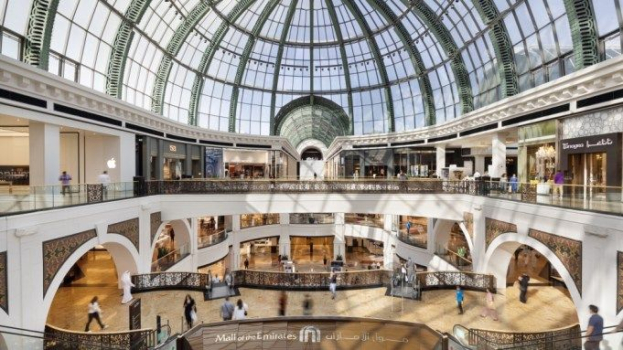
Dubai’s luxury retail scene centers on Dubai Mall and Mall of the Emirates, home to top European fashion houses like Chanel, Gucci, and Saint Laurent. Together, these malls welcome over 140 million visitors annually.
Executives in Europe and the U.S. worry that a prolonged conflict could threaten billions of dollars in sales. "We don’t know what will happen next, but we hope it’s short-term," said Andrea Guerra, CEO of Prada, whose brand has four boutiques in Dubai.
Although the Middle East represents a relatively small share of global luxury sales, strong regional spending has buoyed the market while sales in Asia and Europe stagnated. In 2024, Chalhoub Group, a luxury distributor in Dubai, reported 6% growth in Gulf sales, reaching nearly $13 billion.
Luxury conglomerates such as LVMH have invested heavily in Dubai. In 2014, Bernard Arnault, chairman of LVMH and one of the world’s richest individuals, visited the UAE for a reception with Dubai’s ruler, Sheikh Mohammed bin Rashid Al Maktoum. Since then, the company has opened new stores in malls and airports and is preparing to launch a Cheval Blanc resort on a private island.
Residents and Tourists Adjust
High-spending residents were a major draw for brands. A 2025 Visa report found that one in nine Dubai residents purchased luxury goods every three months, a higher proportion than in New York, London, Paris, or Singapore. Tourists also play a critical role: international overnight stays in Dubai grew 5% last year, approaching 20 million visitors.
The emirate continues to expand its retail infrastructure. Projects include the massive Dubai Square, costing nearly $50 billion, with integrated transport and internal lanes for electric vehicles, scheduled to open in 2028.
Amid Iranian attacks, Dubai officials visited the mall to reassure residents. Videos released by the emirate’s official media show UAE President Mohammed bin Zayed Al Nahyan and Dubai Crown Prince Sheikh Hamdan bin Mohammed Al Maktoum strolling through stores and greeting staff.
For the few shoppers still visiting, there was a sense of normalcy amid the chaos. Rachel Duzan, a 36-year-old Pakistani expatriate and event planner, hoped to buy a Dior beach hat, but shipments were halted. She opted instead for a Jacquemus bag.
"I know I shouldn’t be shopping right now," Duzan admitted. "But I can’t help myself."