Power Dressing: How Fashion Became a Political Weapon
 21:25 19 May, 2026
In her new essay Fashion and Politics: The Appearances of Power, Spanish researcher Ana Velasco Molpeceres explores fashion not as something superficial, but as a full-fledged political instrument through which power has shaped its image and asserted legitimacy for centuries, El País reports.
One of the key examples highlighted in the book is Melania Trump’s 2018 visit to several African countries. The former First Lady faced backlash after appearing in a safari helmet — an accessory historically associated with European colonialism. Later, during a stop in Egypt, she wore a Panama hat, which also sparked accusations about the political and cultural symbolism behind her wardrobe choices. Melania insisted the public should focus on her humanitarian work rather than her clothes, yet, as the author notes, it was precisely the clothing that became the center of interpretation.
The essay argues that such controversies are far from accidental: throughout history, fashion has always been part of political theater. Velasco Molpeceres writes that power has consistently relied on visual staging, with the dressed body becoming one of the earliest and most effective displays of status and hierarchy.
A significant part of the book focuses on color as a symbol of authority. Purple — originally extracted from sea mollusks in ancient times — served as the color of ruling elites from Ancient Rome to medieval religious hierarchies. Over time, however, these same colors acquired new meanings: white and lavender became associated with the suffragette movement, while purple later appeared in Spanish republican symbolism.
The author also traces how elements of dress moved from systems of authority into symbols of rebellion. Hairstyles once tied to modesty and religious conservatism evolved in the 20th century into markers of freedom and modernity, while the disappearance of hats from everyday fashion is linked to the influence of cinema and Hollywood imagery.
In revolutionary Russia, artists and designers attempted to create a new “proletarian fashion” — functional, geometric, and stripped of decorative luxury. Yet even the Soviet fashion industry eventually absorbed Western influences, including the aesthetics of Yves Saint Laurent and Dior, revealing the inevitability of cultural exchange even within ideologically closed systems.
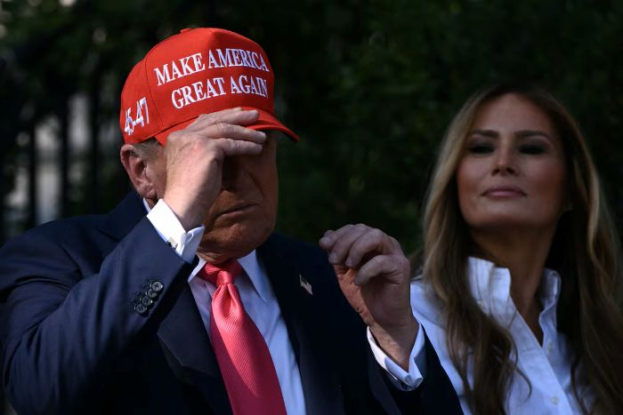
The book also examines accessories as political markers. Embroidered cloaks, jewelry, pins, cockades, and even presidential sunglasses become part of the visual language of authority. Velasco Molpeceres places modern campaign merchandise — including “Make America Great Again” caps — within the same historical lineage of political symbolism and visual propaganda.
At the core of the essay is one central idea: clothing is never merely aesthetic. It is a language through which power, protest, and society constantly communicate. Fashion can function both as a tool of oppression and as a vehicle for liberation — an elite code and a mass slogan at the same time. And for that reason, the author concludes, there is no such thing as a “neutral wardrobe” in politics: every visual choice inevitably becomes a statement.