Investing in Immortality: Ultra-Wealthy Homebuyers Are Snapping Up 'Longevity Real Estate'
 16:20 17 June, 2026
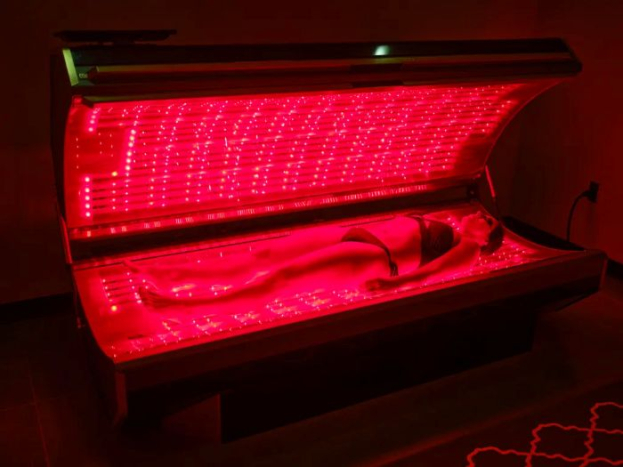
Curbless walk-in showers, advanced filtration systems, smart assistive technologies for those with limited mobility, and red-light therapy are the new must-have hallmarks of luxury living among ultra-high-net-worth homeowners and buyers.
According to the 2026 Sotheby’s International Realty Luxury Outlook report, affluent buyers—both young and old—are now playing the long game. Their primary objective is "aging in place," meaning growing old in the comfort of their own homes. However, while older generations are retrofitting their current properties to meet these new needs, younger clients are purchasing homes that come fully future-proofed straight out of the gate.
"You have to become the CEO of your own health," Claudia von Boeselager, a longevity expert and partner at the luxury wellness consultancy Lumara, told The Post.
"A few visits to the doctor a year cannot compete with the environment where you spend 91% of your life—breathing the air, drinking the water, and sleeping under specific lighting," she added. "So, the question buyers are asking today has fundamentally changed. Instead of optimizing a couple of hours a month for clinical treatments, they are asking: 'Why shouldn't my home restore me every single night?'"
Other highly requested longevity amenities include fall-proof floor plans, biodynamic (circadian) lighting, and integrated telemedicine systems.
These shifting demands reflect a foundational pivot in both the lifestyle choices and financial priorities of the wealthy.
"They are investing in residences that save them time, enhance their well-being, and remain relevant across multiple generations," notes Nikki Field of Sotheby’s. Field recently launched sales at 262 Fifth Ave. in New York’s NoMad neighborhood. The 26-unit condominium was engineered from the ground up to feature a state-of-the-art fitness center and high-performance air filtration systems.
The report highlights that the wellness real estate market is projected to skyrocket past $1.114 trillion by 2029.
This sector is expanding at a breakneck pace. Authors of a November 2025 study by the Global Wellness Institute point out that the industry has "more than doubled in size in just five years." Furthermore, forecasts from UBS Global Wealth Management cited in the document predict the broader wellness market will balloon to $8 trillion by 2030, up from an estimated $5.3 trillion in 2023.
Nearly 40% of real estate professionals surveyed by Sotheby’s International Realty in 2026 confirmed that the ability to comfortably age in place has become a pivotal factor for buyers.
"Wealthy individuals are increasingly viewing their homes and residential communities as their primary healthcare asset," the report emphasizes.
At the HQ Residences in Miami, the wellness amenity checklist has been upgraded to include the latest breakthroughs. "Innovations in red-light therapy, contrast therapy, and robotic massage are particularly popular because they make recovery and cellular regeneration more accessible and personalized," says Sam Nazarian, founder of SBE. His new hospitality brand, HQ, is making its residential real estate debut with the Miami project.
Meanwhile, Lumara is actively collaborating with both private clients and developers to transform living spaces into true "wellness cocoons."
According to Alexandra Cochrane, a partner at Lumara and founder of the wellness brand Scandilabs, the baseline package to outfit a home with this "invisible biological infrastructure" starts at around $22,000 per unit, depending on the square footage.
Yet, as von Boeselager points out, integrating these technologies boosts the perceived value of a home by 10% to 25% in the eyes of consumers, allowing developers to command a price premium of up to 30% on the property.