Chanel vs. Dior: A Game of Survival
 22:20 3 July, 2026
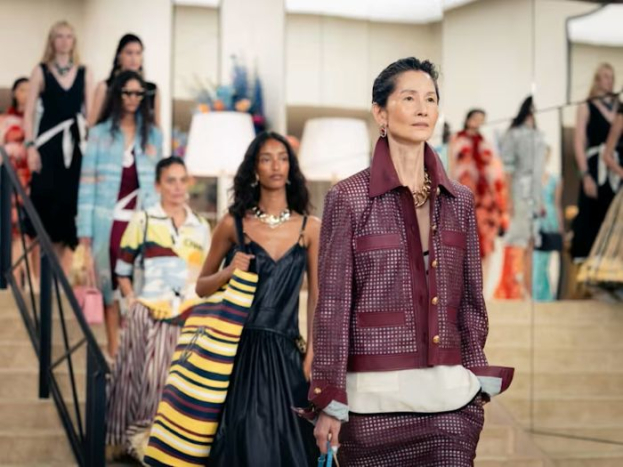
The debut collection by designer Matthieu Blazy for Chanel has brought back the much-needed hype to the fashion industry. Social media has been flooded with unboxing videos of slingback shoes priced from €1,300 and grained calfskin tote bags retailing at $10,249, FT reports.
However, "Blazy-mania," which has forced fashionistas to line up in massive queues outside Chanel boutiques in New York and Paris, risks intensifying the pressure on its chief rivals. First and foremost is Dior — the jewel in the crown of the LVMH conglomerate, which is currently undergoing its own relaunch under the leadership of new creative director Jonathan Anderson.
Against the backdrop of a stagnating market following years of aggressive price hikes, luxury brands are forced to fiercely fight for every sale. In these harsh conditions, analysts are asking: will Chanel’s rapid triumph signal the beginning of the end for Dior in a new game of survival where only one can win?
Numbers vs. Time: Chanel’s Tactics
Both French fashion houses entrusted Blazy and Anderson to revive client interest following one of the sharpest downturns the industry has seen since the financial crisis. For now, Chanel is delivering instant results.
According to forecasts by Morgan Stanley, if "Blazy-mania" helps Chanel grow by 10% by the end of 2026, the company will capture roughly 30% of the entire growth in the luxury fashion and leather goods sector. Chanel’s CEO Leena Nair confirmed that the brand's current performance is "very strong."
"Skeptics argue that in an environment of anemic market growth, a Chanel revival will inevitably come at the expense of direct competitors such as Dior," Morgan Stanley analysts noted.
Dior Plays the Long Game
While Chanel is reaping the rewards here and now, Dior's leadership insists they are betting on the long term.
"A change of artistic director is always a colossal transformation, which is why we try to ensure our designers stay with us for as long as possible. For that, you need time," stated Dior CEO Delphine Arnault.
Delphine’s words sound like an attempt to soothe investors: in the first quarter, sales in LVMH’s fashion and leather goods division (which includes Dior) slid by 2%. Some analysts attribute this dip precisely to the "extraordinary success of Chanel."
The stakes are heightened by the fact that Dior is the favorite brainchild of LVMH chief Bernard Arnault (Delphine’s father). Around forty years ago, he bought up the remains of the bankrupt brand and turned it into the bedrock of his €241 billion empire. According to insiders, Arnault views Chanel as the ultimate gold standard against which he measures Dior's success.
Two Designers — Two Approaches
Last year, Jonathan Anderson became the first person since Christian Dior himself to be entrusted with the house's men's, women's, and couture collections simultaneously. His early work — featuring a reimagined fitted Bar jacket and balloon dresses — was praised for its bold blend of brand DNA and the designer’s signature irony.
"The internet world wants you to turn the business around and create the perfect collection by tomorrow. But things take time. A designer needs time," Anderson countered at the Financial Times conference in May.
Experts point to a key difference: while Anderson is methodically refining a new DNA for Dior, Blazy at Chanel has banked on instant consumer desire and a straightforward, accessible product. One approach generates high concepts, while the other drives immediate traffic to boutiques.
A New Era: "Eat or Be Eaten"
Most surprisingly, both fashion houses continue to jack up prices even as they attempt to win back cost-conscious shoppers. Chanel’s new bag collection turned out to be, on average, 10% more expensive than the previous one. Yet Dior went even further: prices for its leather goods surged by an average of 19%, with certain bags spiking by as much as 23%.
It is precisely these years of endless price hikes that have left consumers tapped out, plunging the luxury market into a severe crisis.
"The new market paradigm is conquest," sums up Jean Révis of the consulting agency MAD. "Previously, you could attract new clients without stepping on your neighbor's toes. Now that market growth has slowed, you have to go out and steal clients from the brand just around the corner."