Living on the Edge: The World’s Most Incredible Settlements, From a Village Inside a Volcano to a Town at 5,000 Meters
 21:22 7 July, 2026
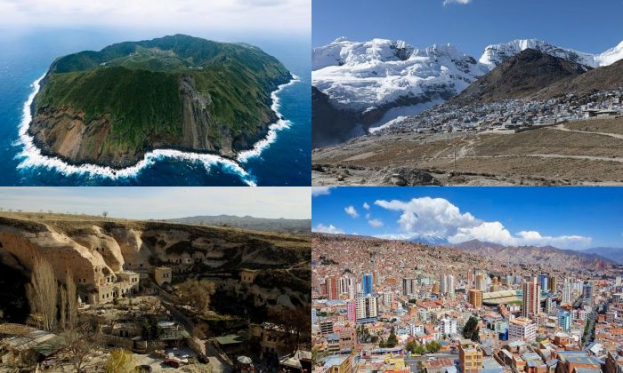
Forget gray, monotonous megacities with cookie-cutter high-rises built on flat, unremarkable plains. Scattered across the globe are towns, villages, and settlements nestled in truly mind-boggling locations—ranging from the mouth of an active volcano to the highest inhabited point on the planet.
In some of these places, massive cliffs have literally swallowed human dwellings, serving as both walls and roofs for the inhabitants, The Daily Mail reports.
Aogashima, Japan
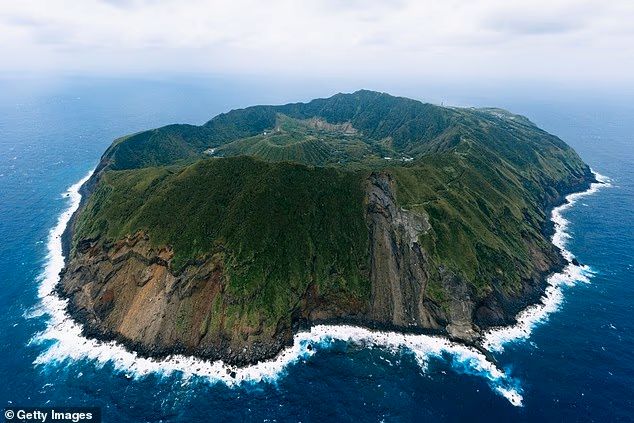
Home to just 170 people, the Japanese island of Aogashima is a giant volcanic crater with a second, smaller volcano growing right inside it.
Located south of Tokyo, Aogashima (which literally translates to "Blue Island") is a unique natural phenomenon. Life on this lush, green speck of land moves at a slow and peaceful pace, especially when compared to the frantic tempo of the Japanese capital.
The island features just three bars, one general store, and a post office. The main local attraction for both residents and rare tourists is a geothermal sauna located right by the inner crater, powered by the volcano's own energy. The island also produces a local delicacy called aochu, a potent sweet potato spirit similar to vodka.
-
How to get there: You can take a boat from the neighboring volcanic island of Hachijojima, which has an airport. The sea voyage takes about 2.5 hours. Alternatively, you can book a 20-minute helicopter flight from the same island.
-
Where to stay: For adventure seekers, there is a free campsite on the island. A few cozy, local family-run B&Bs are also ready to welcome travelers.
La Rinconada, Peru
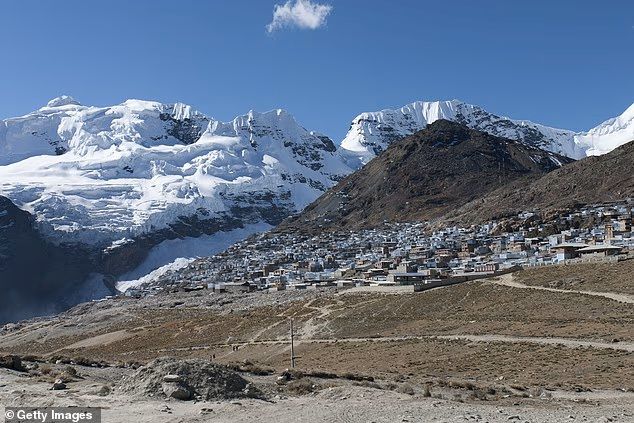
The Peruvian town of La Rinconada is lost in the clouds at an altitude of 5,000 meters (16,400 feet) above sea level, making it the highest permanent human settlement on Earth.
Perched in the eastern Andes, La Rinconada originated over 40 years ago as a temporary gold-mining camp. However, despite critically low oxygen levels in the air, its population has grown steadily.
According to NASA, around 50,000 people now live here permanently—all despite a total absence of running water and a sewage system. Lacking centralized waste management, locals are forced to bury or burn their trash.
-
How to get there: The journey here is a true test of endurance. First, you must fly into Alejandro Velasco Astete International Airport, then take a train or bus to the city of Puno. Buses from Puno to La Rinconada run infrequently, and the mountain roads are considered extremely treacherous, so many travelers prefer to hire experienced local drivers.
-
Where to stay: There are no hotels in the settlement itself. Most tourists visit for the day and stay overnight in the nearby city of Juliaca.
Derinkuyu, Turkey
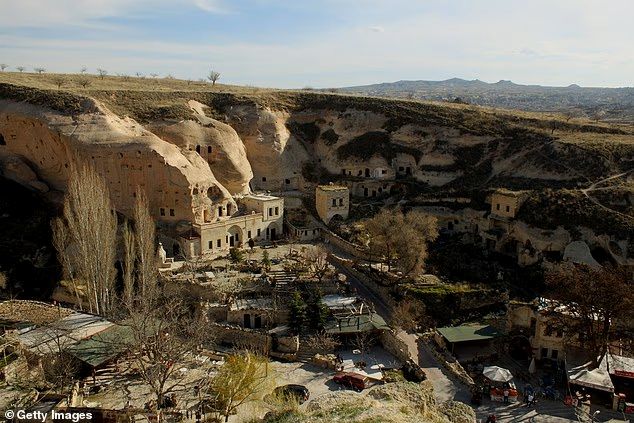
The abandoned ancient city of Derinkuyu in Turkey plummets 18 stories deep into the earth.
This multi-tiered underground metropolis in Cappadocia was carved out of volcanic tuff rock to a depth of 85 meters. In ancient times, the labyrinthine tunnels of Derinkuyu could shelter up to 20,000 people simultaneously.
The city was finally abandoned in the 1920s during the Greco-Turkish War and sat empty until 1963, when it was rediscovered by accident. Today, the site is protected as a UNESCO World Heritage site.
-
How to get there: Derinkuyu is easily accessible by bus from Göreme. Travelers highly recommend booking a guided tour to avoid getting lost in the subterranean passageways.
-
Where to stay: A vast selection of accommodations to suit any budget can be found in the nearby tourist hubs of Nevşehir and Göreme.
Longyearbyen, Svalbard, Norway
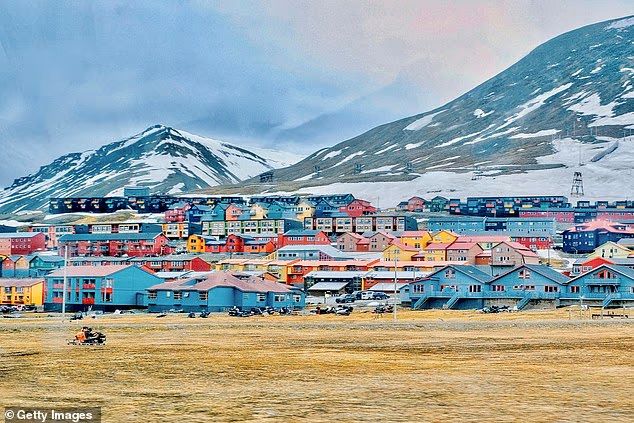
Longyearbyen is a tiny Arctic town that plunges into pitch-black darkness for four months out of the year.
As the world's northernmost settlement, this town of just 2,400 residents experiences harsh polar conditions. During the prolonged "polar night," which lasts for two and a half months, the line between day and night is completely erased. In contrast, during the polar summer, the sun never dips below the horizon.
Because polar bears roam the surrounding areas, locals are legally required to carry firearms whenever they step outside the town limits. Other local wildlife frequently spotted includes reindeer and whales.
-
How to get there: The nearest aviation hub is Svalbard Airport, from which you can reach the town via taxi or a scheduled airport shuttle bus.
-
Where to stay: Longyearbyen offers about six traditional hotels alongside several guesthouses.
Coober Pedy, Australia
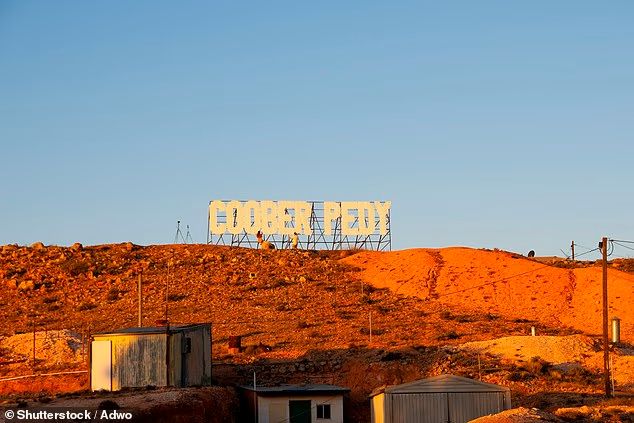
The mining town of Coober Pedy, located in the remote Australian Outback, is officially recognized as the "opal capital of the world."
Around 2,500 people live here. In the summer, temperatures can soar to a blistering 52°C (125°F). To escape the scorching heat, 60% of the local population built their homes directly inside the rocky hillsides. It gets so hot that residents reportedly have to store their electronics in refrigerators to keep them from melting.
-
How to get there: Coober Pedy can be reached by air via its local regional airport, or by car along the Stuart Highway.
-
Where to stay: Tourists can choose from several underground hotels, motels, and apartments, as well as caravan parks for campers.
La Paz, Bolivia
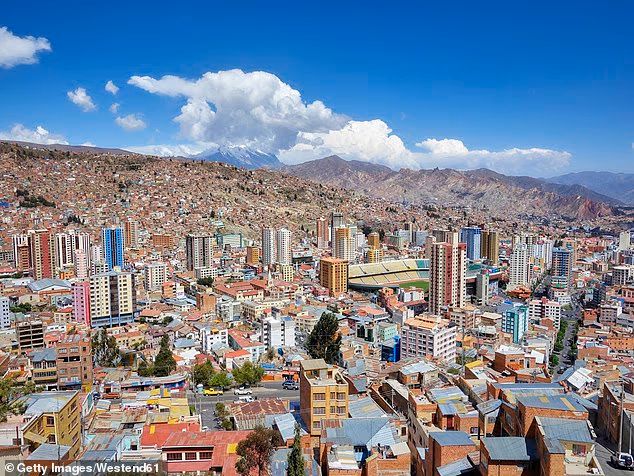
Sprawling at an altitude of 3,650 meters (11,975 feet) above sea level, La Paz holds the title of the world's highest administrative capital.
Mount Illimani towers majestically over the city, which has a population of roughly 755,000. Due to the challenging mountainous terrain, cable cars have become the primary and most practical form of public transportation. The city captivates visitors with an abundance of vibrant markets, museums, and 19th-century churches.
-
How to get there: The nearest airport is El Alto International Airport, from which you can reach the city center via public transit or a 30-minute car ride.
-
Where to stay: Sopocachi is considered a popular and safe neighborhood for tourists, housing the majority of the city's hotels.
Setenil de las Bodegas, Spain
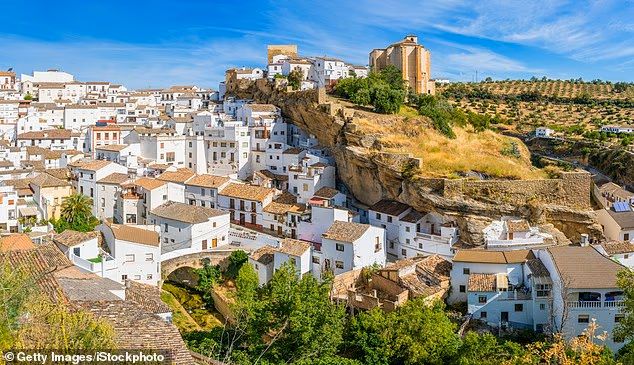
In this Spanish town, houses are built directly beneath massive, overhanging cliffs.
Rather than carving out deep caves into the stone, the residents of Setenil de las Bodegas have spent centuries building their homes, restaurants, and bars by utilizing natural rock overhangs as roofs and walls. The cliffs literally loom over the narrow streets, creating an incredible, almost futuristic atmosphere.
-
How to get there: The Setenil train station is located about five kilometers from the village itself. It is also highly convenient to reach by rental car along Spain's scenic highways.
-
Where to stay: The town boasts numerous authentic hotels, many of which feature interiors partially carved straight into the living rock.