Murakami vs AI: Iconic Japanese author explains why neural networks will never write a great book
 15:50 8 July, 2026
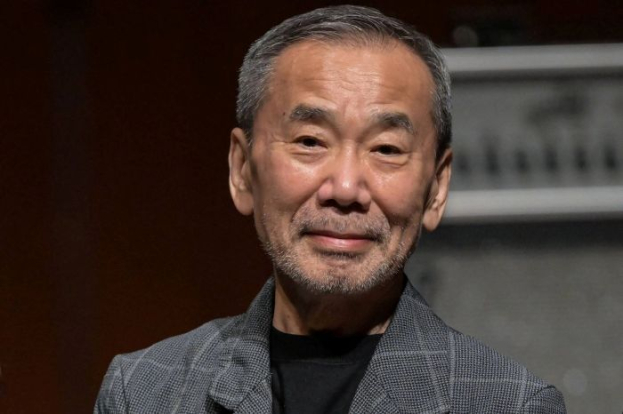
Japanese author Haruki Murakami has stated that he creates novels that are "radically different" from anything a neural network is capable of generating. This statement came on the very day his first book in three years officially hit Japanese store shelves.
The new tome, which features a female protagonist as the central character for the first time in the author's career, went on sale exactly at midnight. According to local media reports, queues of dozens of devoted fans formed outside Tokyo bookstores, all eager to be the first to get their hands on the new release.
"Artificial intelligence takes into account everything that has been created before it and builds analogies. But the very process of how I write my novels is structured completely differently," Murakami noted in an exclusive interview with Kyodo News.
The writer added that against the backdrop of the rapid development of generative AI, books written by machines have become a reality. However, the true role of a novelist is to "bring to light something fundamentally new that suddenly flashes in your mind." According to the author of Norwegian Wood and Kafka on the Shore, when he is deeply immersed in his work, characters materialize on their own: "This is not the result of an analysis of analogies. AI probably doesn’t know how to do that."
"The Tale of Kaho": A Groundbreaking Protagonist and New Themes
The new full-length novel is titled The Tale of Kaho. According to the publishing house Shinchosha, the title character marks the very first central female protagonist in the bibliography of Murakami's major novels.
"I had the feeling that I was looking at the world through completely different eyes than usual. Of course, I can only imagine how women see this world. But when I was writing Kafka on the Shore, I looked at everything through the eyes of a 15-year-old teenager. In that sense, a novelist can become anyone," the author admitted in an interview with Asahi Shimbun.
Murakami also shared that shortly before starting work on the book, he spent some time in Wellesley, a women's college in the United States. "Right now, a woman's perspective on things is highly valued, and I think that immersing myself in that atmosphere heavily influenced the creation of Kaho," he emphasized.
Additionally, the author confessed that he has always disliked the theme of parents and children in literature. However, his desire to experiment won out: "Every time I write a novel, I have an overwhelming urge to try something I've never done before. This time, that challenge was the relationship between parents and children."