Kapan Fest: Why Musicians Keep Coming Back to Kapan
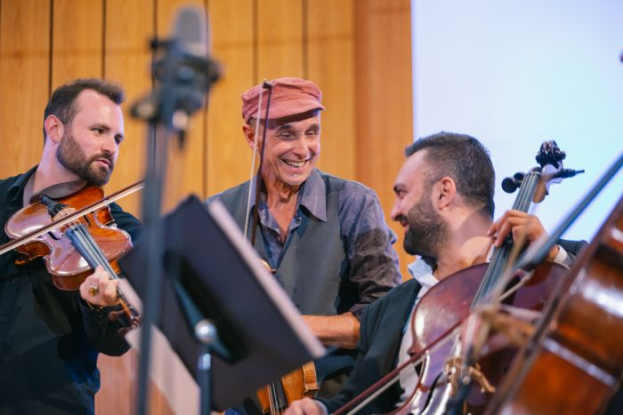 19:30 21 July, 2026
A few minutes before the concert, Gilles Apap was backstage talking to me about surfing. Then he picked up a rose and balanced it on the tip of his nose. A music stand came next. Students tried to imitate him. None succeeded.
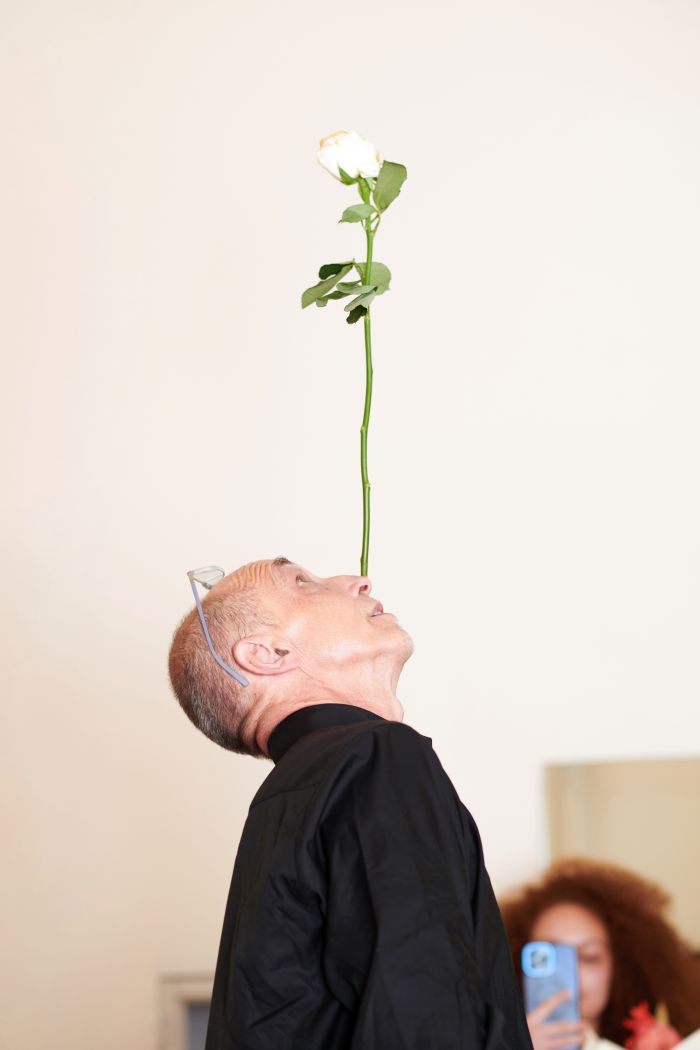
Moments later, Gilles walked onto the stage. He greeted the audience in Armenian, and the audience greeted him back. Before them stood the violinist Yehudi Menuhin once called “an exemplary violinist of the 21st century.”
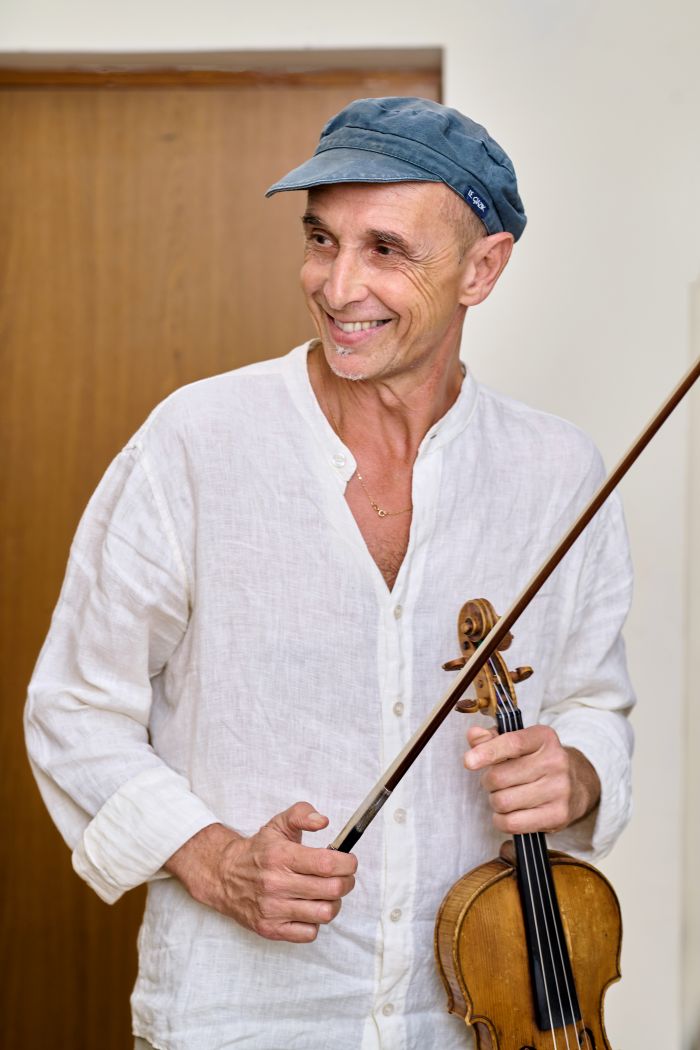
Kapan Fest: An International Music Festival
For eleven days in July, the southern Armenian city of Kapan became a meeting place for 65 musicians from 18 countries, 78 students from Armenia and abroad, more than 100 young musicians from Kapan, ballet dancers, and orchestra members.
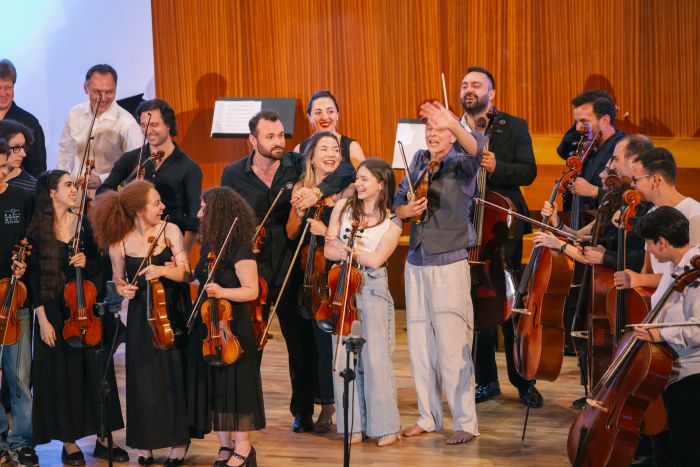
In the mornings, scales drifted through open windows. During the day, masterclasses took place. Twice a day, music filled a packed concert hall.
But every festival has another side — the one rarely seen by the audience.
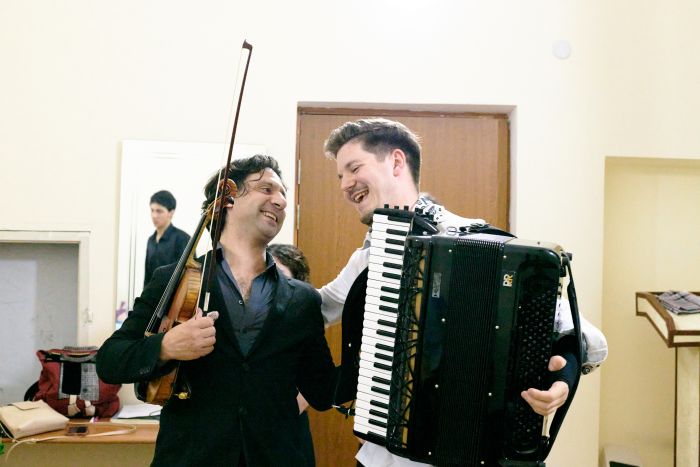
Backstage, a musician rehearsed a difficult passage one last time. Another sat quietly, gathering his thoughts. As each performer took to the stage, colleagues applauded from the wings. And after the concerts came embraces, laughter, conversations — and the familiar glass of beer that, over those days, became part of the ritual.
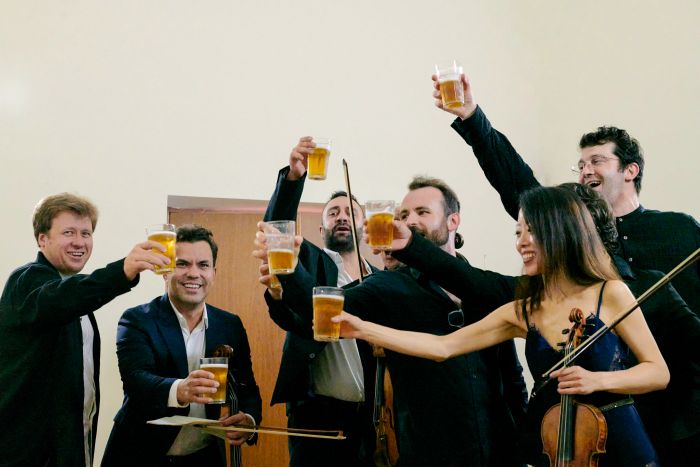
“We share the stage, laughter, food. Everything the human spirit needs for a real connection to emerge. Perhaps that is what makes life worth living,” says pianist Anna Sarkisova.
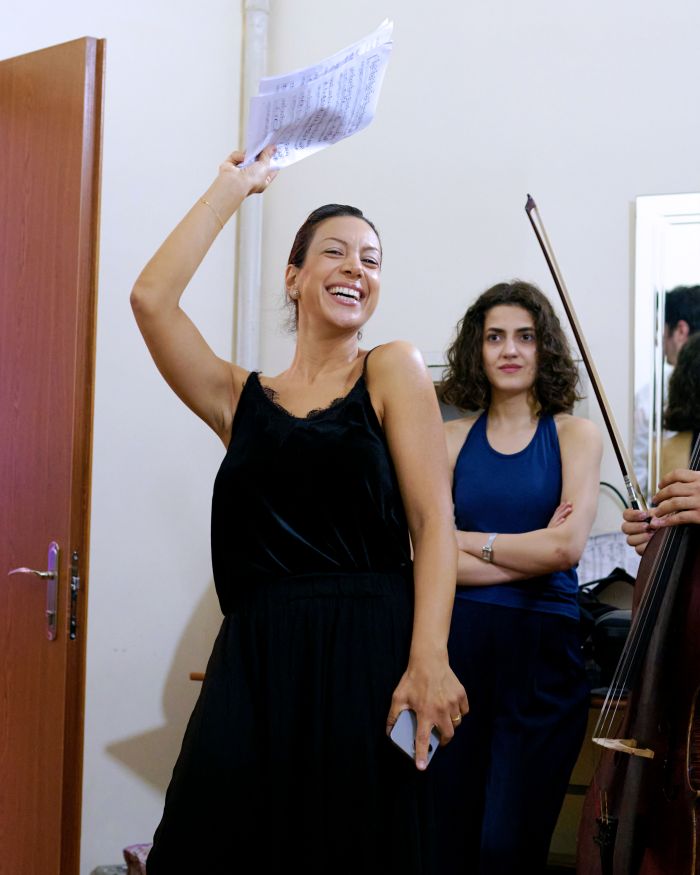
I found myself returning to the same question again and again: why do musicians, whose calendars are booked years in advance, keep finding their way back here, crossing thousands of kilometres?
The answer is different for everyone.
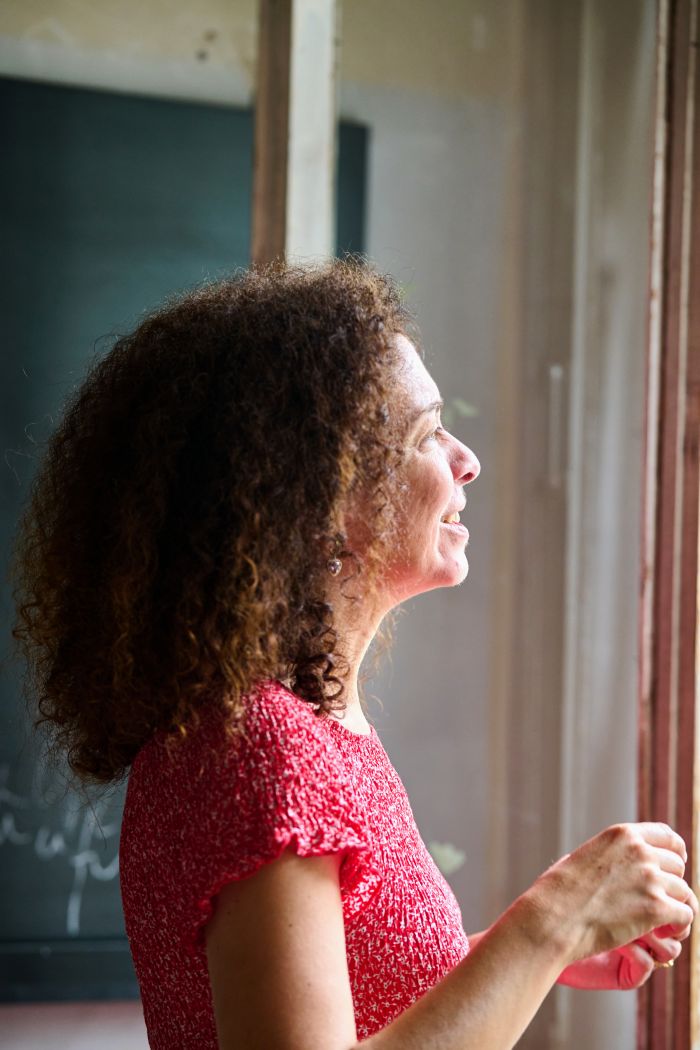
For Danish pianist Marianna Shirinyan, it is a connection to her roots. For Korean-American violinist Elly Suh, it is the people. For French violist Loan Cazal, it is the atmosphere of the festival itself.
When I asked Loan whether he would return, he laughed.

“I will come every year. And if one day I don’t, you can report me to the police.”
But sooner or later, every conversation returned to one name — Sevak Avanesyan.
The Man Who Argues with the Impossible
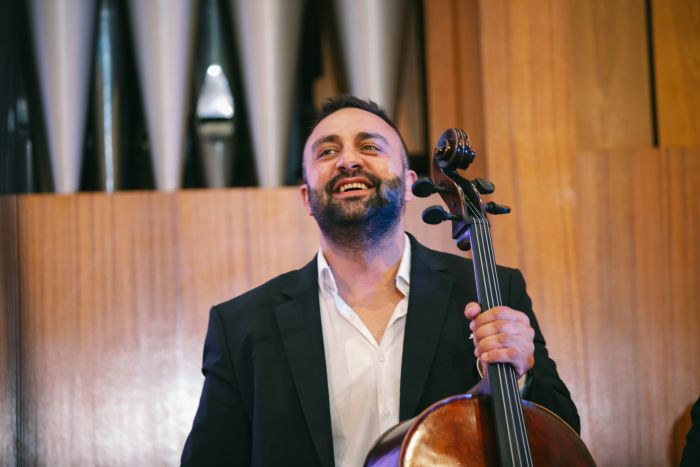
Cellist and Kapan Fest founder Sevak Avanesyan has a particular attraction to difficult challenges. The word “impossible” does not stop him — it draws him in. Ideas that require courage and persistence become invitations: to turn them into reality and bring people together around them.
Many came to Kapan after hearing a simple sentence from him: “Something important is happening here.”
Violist Paul Tulloch remembers:
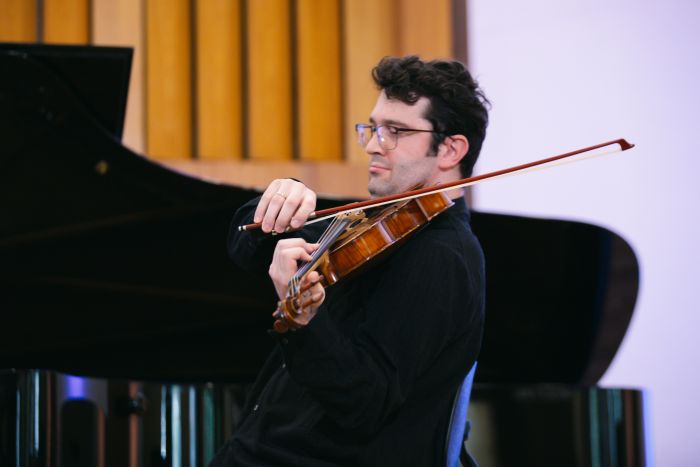
“He told me: ‘You have to come and see this.’ And I came. The idea behind this festival is so big that it inspires everyone who comes here.”
For cellist Francisco Vila, the story of Kapan Fest began with a friendship.
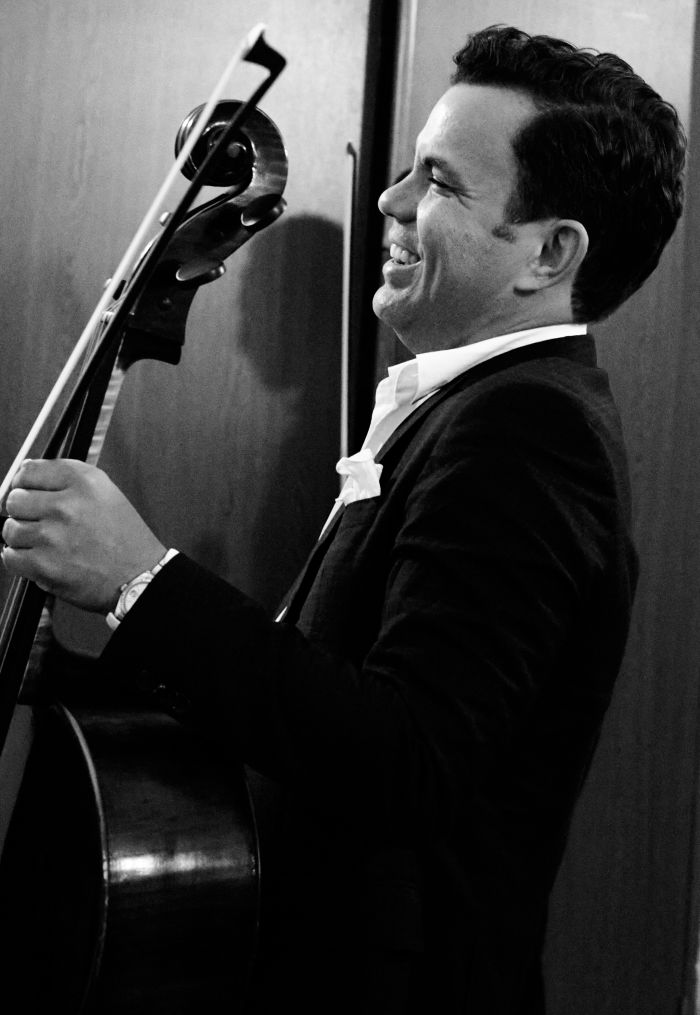
“My motivation for coming here, first of all, is that my best friend—almost like a brother—created this festival. He told me about the region, about what young people here are living through, and I understood there was a real need for something like this. Festivals like this don’t need to be created in New York. They belong in places where they’re needed.”
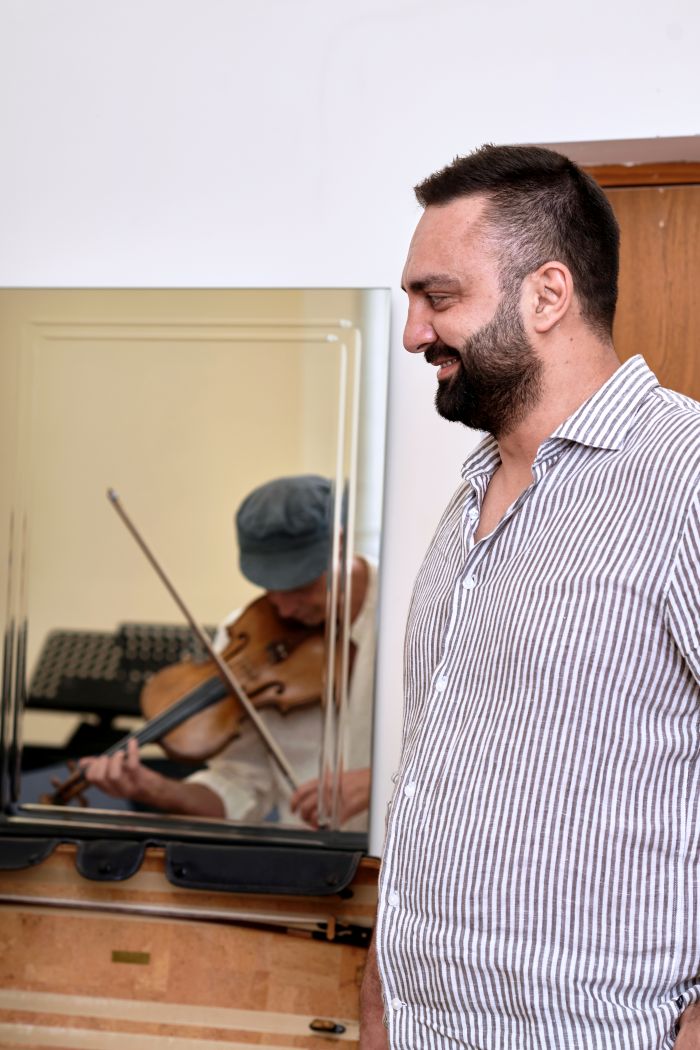
For Sevak himself, who has lived in Belgium for many years, Kapan is a city of personal memory. His roots are here; this is where the organ that became part of his musical story once sounded. By creating the festival, he wanted to give others what he himself had once received: the chance to grow alongside great music and people willing to share their knowledge and experience.
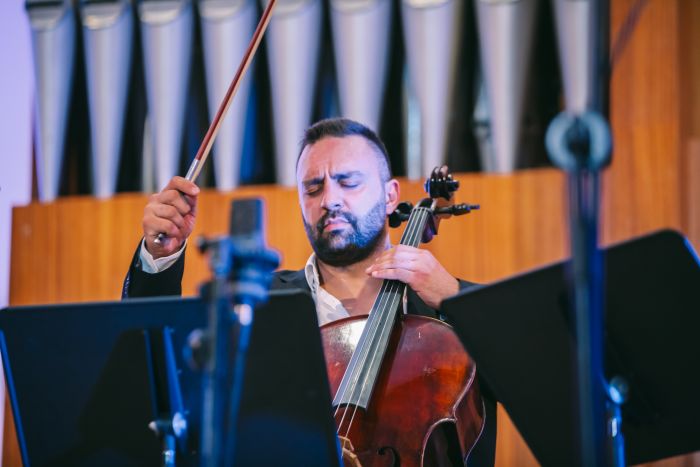
But during the festival, Sevak was not only its founder and an artist. He was everything at once. From morning until night, he moved between dozens of large and small tasks. He rehearsed, welcomed guests, interviewed participants. He ate on the run, moving from one responsibility to the next. His voice could be heard somewhere nearby at almost any moment. And in the middle of all that movement, he still found time to stop and ask each person: “How are you?”
In the evening, he stepped onto the stage and played with the same intensity and concentration.
The Concert That Was Never on the Program
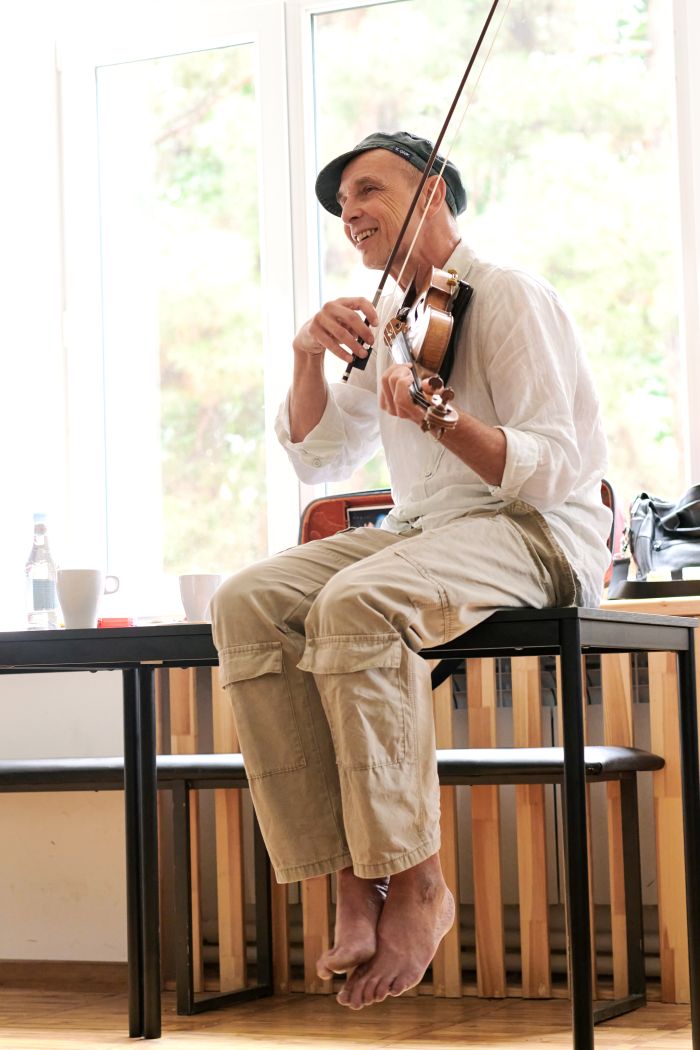
One day, during lunch, Gilles Apap suddenly suggested:
“Why don’t we all play together tonight? Us and the students. Let’s have fun!”
There was no long discussion. The idea was born — and everyone immediately embraced it.
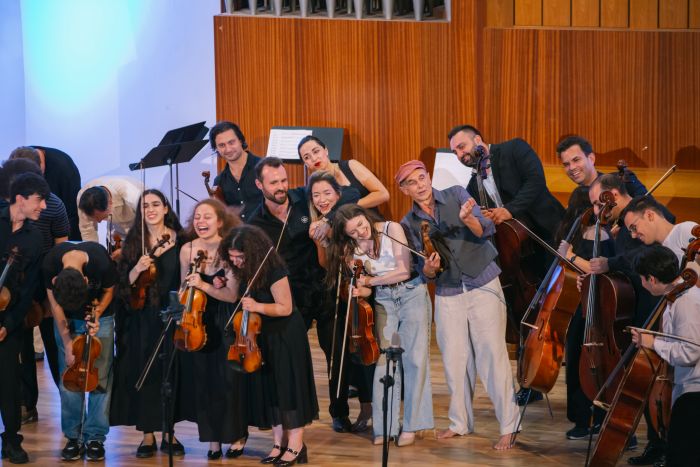
That evening, the musicians walked onto the stage. Gilles, as always, barefoot. No one knew what would come next. Spanish and Armenian melodies gave way to a waltz that unexpectedly turned into Vivaldi. Then came bluegrass, Irish tunes — and suddenly La Marseillaise, a joyful tribute from the musician to his roots.
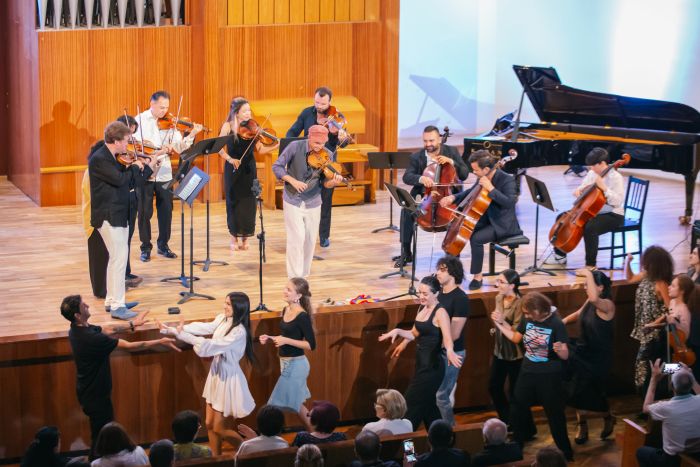
The audience sang and clapped along. Musicians who were not performing that evening danced in the hall, then one by one joined their colleagues on stage.
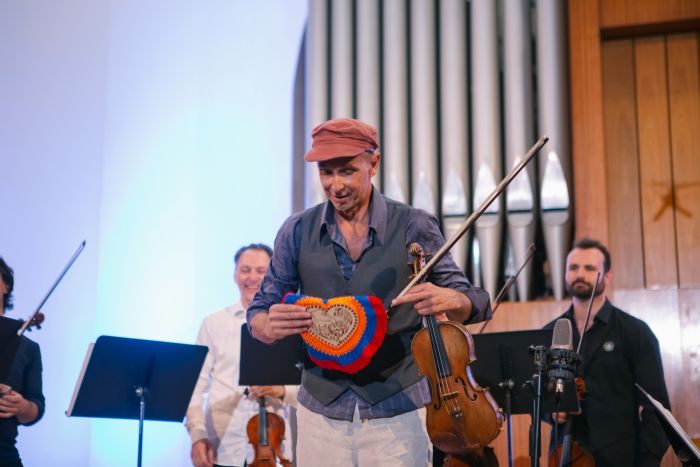
At one point, I noticed two Italian travellers — Matteo and Federico. The day before, they had told me they came to Kapan to climb Mount Khustup and had ended up at the concert by chance. After the performance, they approached me.
“What was that? We came here for the mountain and found ourselves at an event of world-class scale.”
The concert ended. The musicians left the stage and went backstage… only to continue playing.
“Veterok”
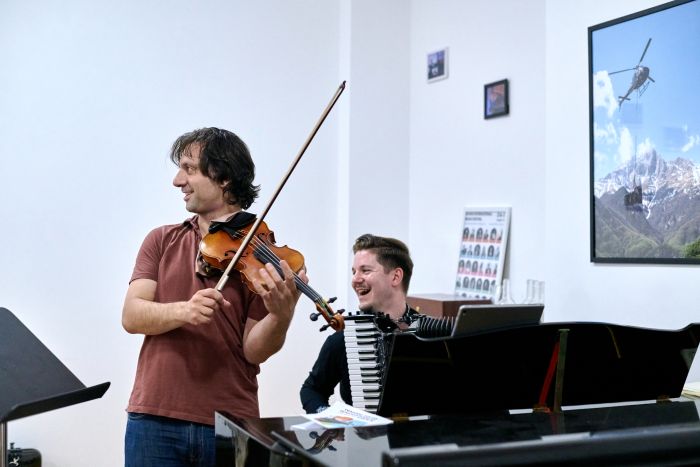
Every day, the musicians’ schedules were planned down to the minute: masterclasses, rehearsals, two concerts. One would think that after a day like that, it would finally be over.
But in the room they called “Veterok,” borrowing the Armenian slang for a casual local eatery, the evening was only beginning.
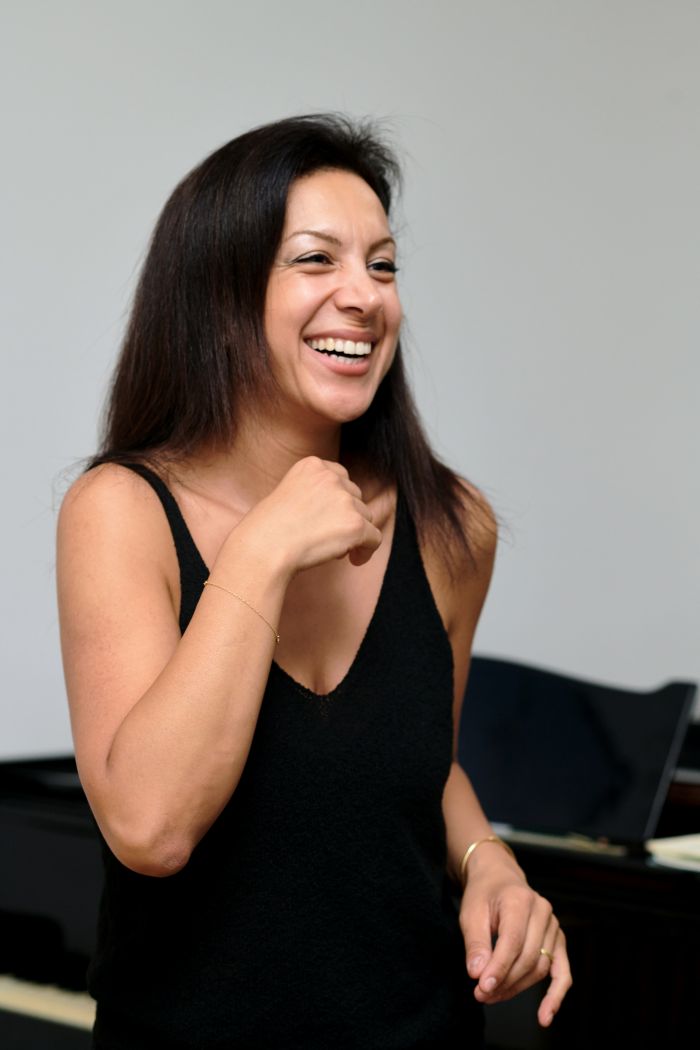
Instrument cases opened. Violins came out. Someone sat down at the piano. Within minutes, the others gathered around, and the music began again.
“For us, this is happiness,” one of the musicians told me.
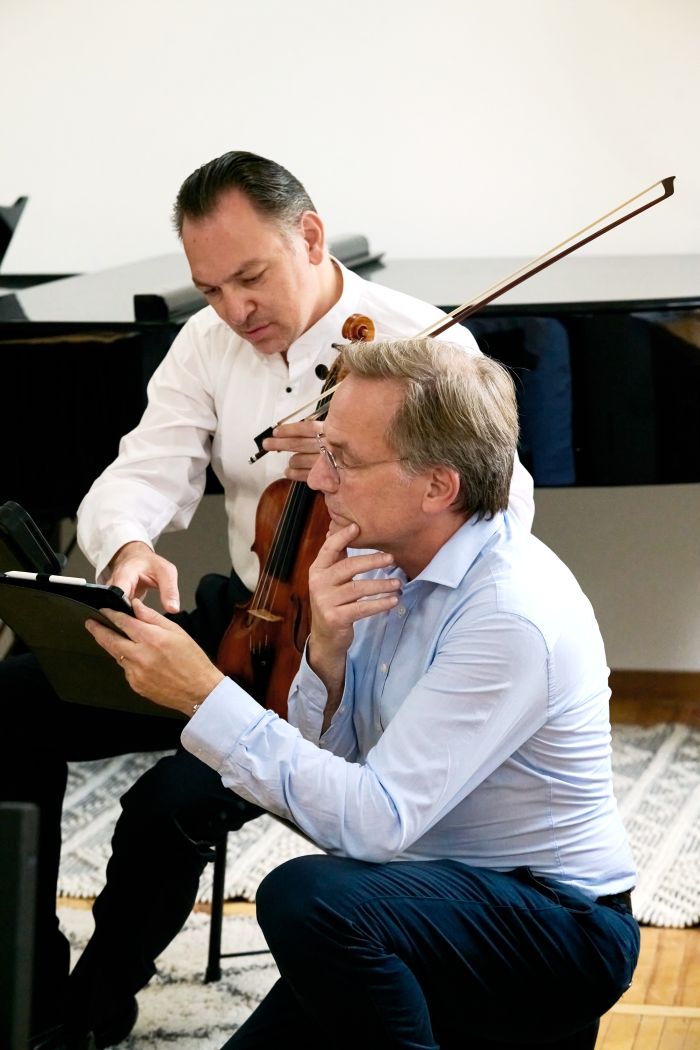
That same sense of freedom carried onto the stage. Sometimes a piece was chosen only an hour before the performance.
“Of course, it is stressful, — says Anna Sarkisova. — But these are exactly the moments when true mastery reveals itself. No one complains. Everyone simply walks out and plays — and the result on stage is incredible. That is the beauty of it: spontaneity and professionalism coming together».
The Ones It Is All For
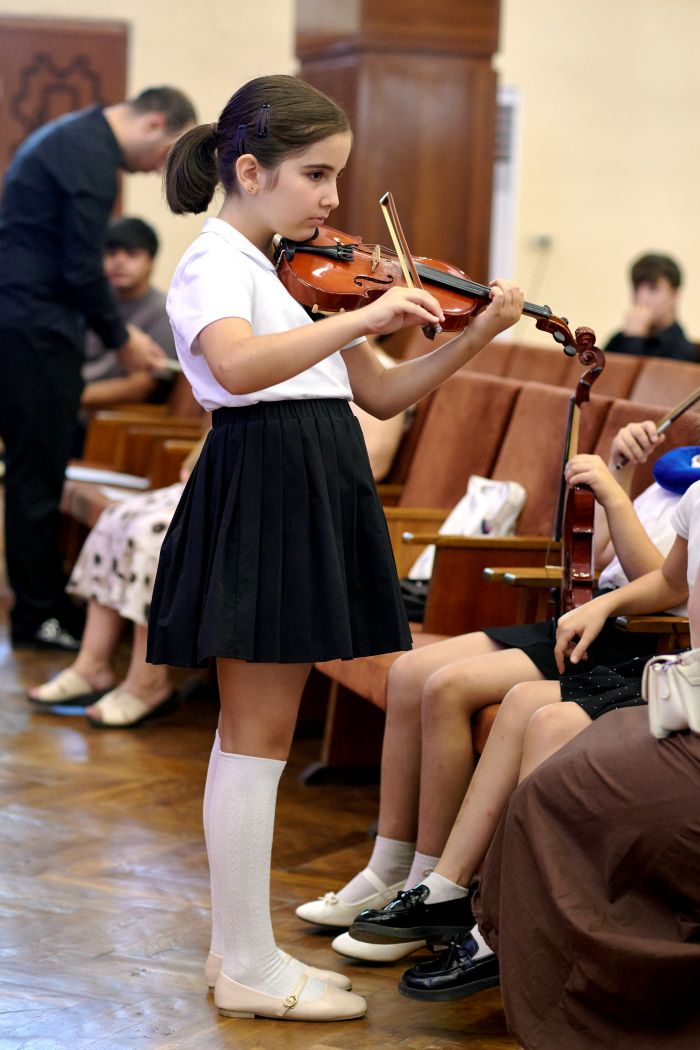
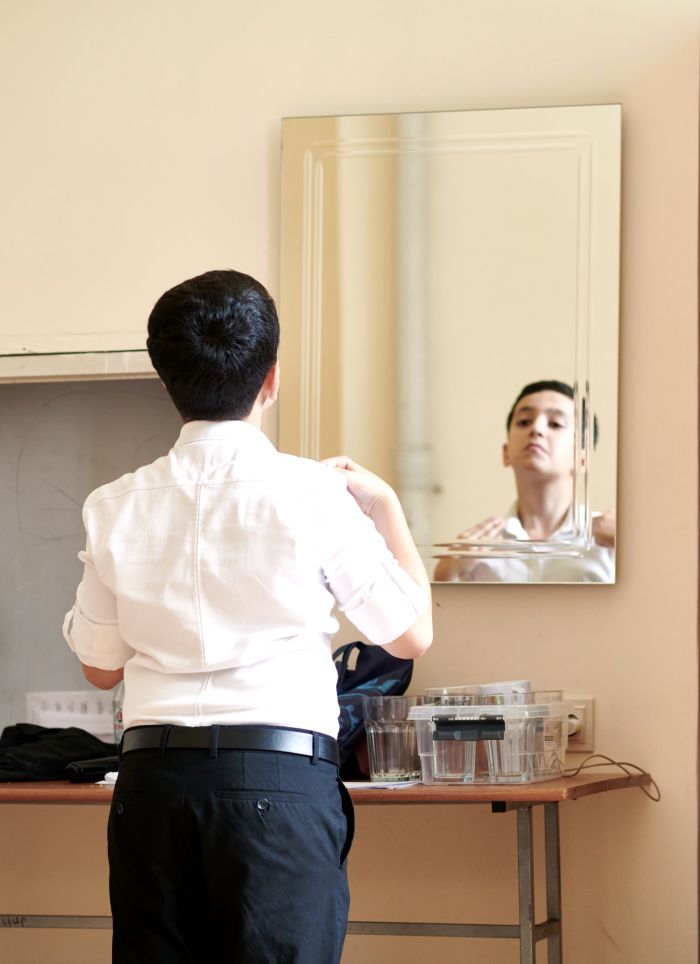
The young musicians from Kapan’s music schools were getting ready to step onto the stage. White bows in their hair, a quick glance in the mirror before the concert—the same small rituals shared by artists on the world’s greatest stages.
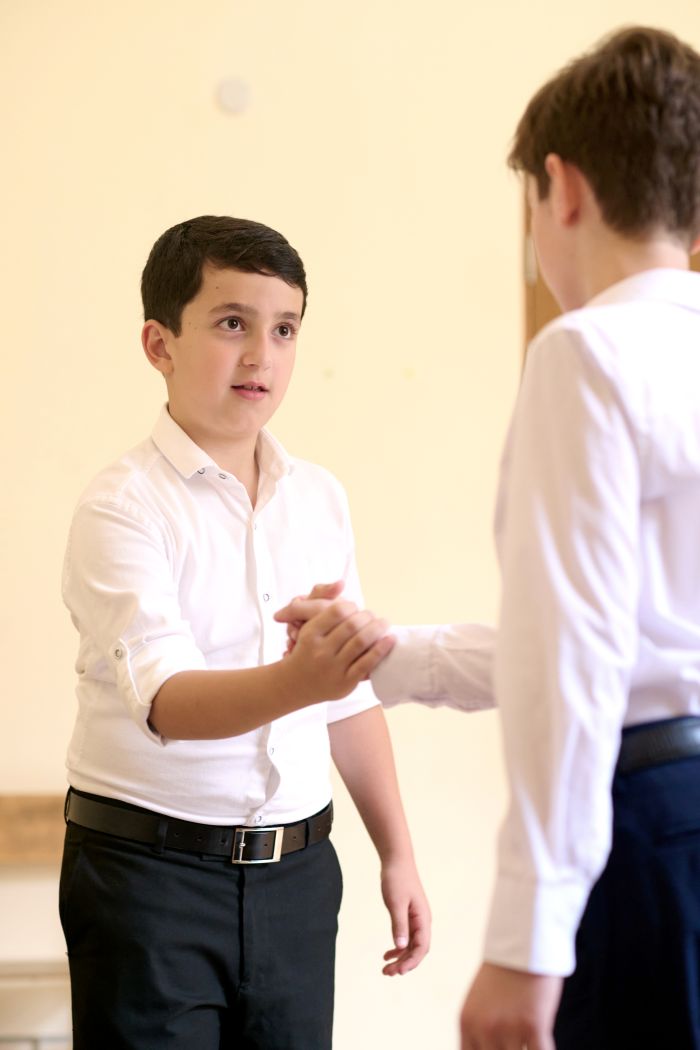
A few minutes before the concert, I photographed one of them and said,
“Get used to it. You’ll be photographed for the rest of your life. It’s part of being an artist.”
He nodded seriously.
“Of course.”
Then he handed me a piece of candy.
On the second day of the festival, Kapan welcomed its guests with torrential rain. Water rushed through the streets, and before the concert there was only one question: would anyone come?
They did.
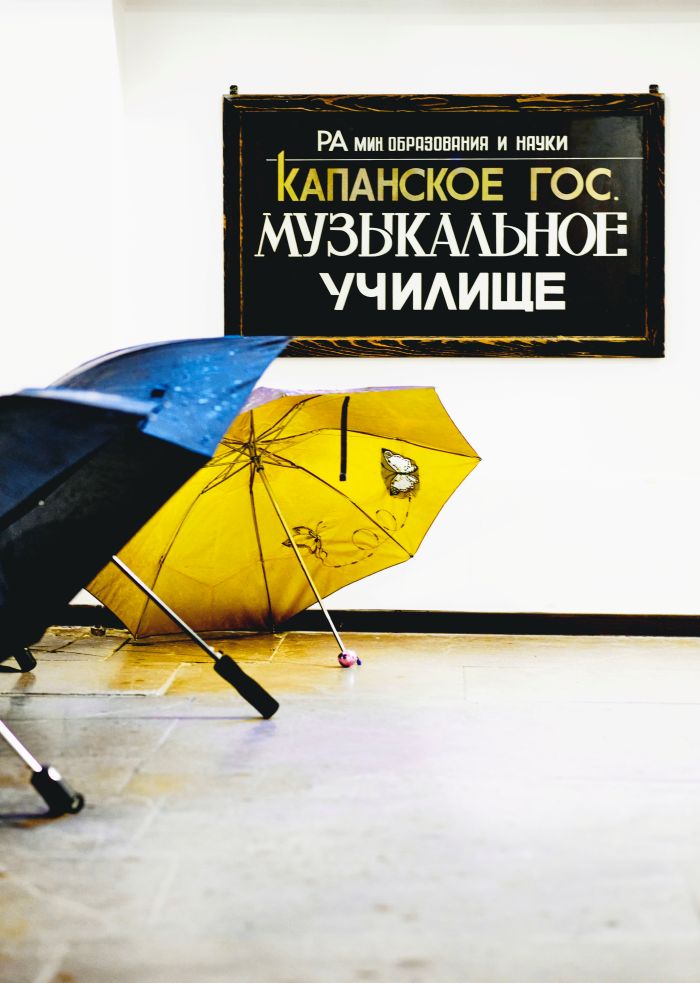
Umbrellas stood open to dry in the foyer. People sat in damp clothes, waiting for the music to begin.
When I asked Francisco Vila what makes Kapan Fest different from other festivals, he did not hesitate:
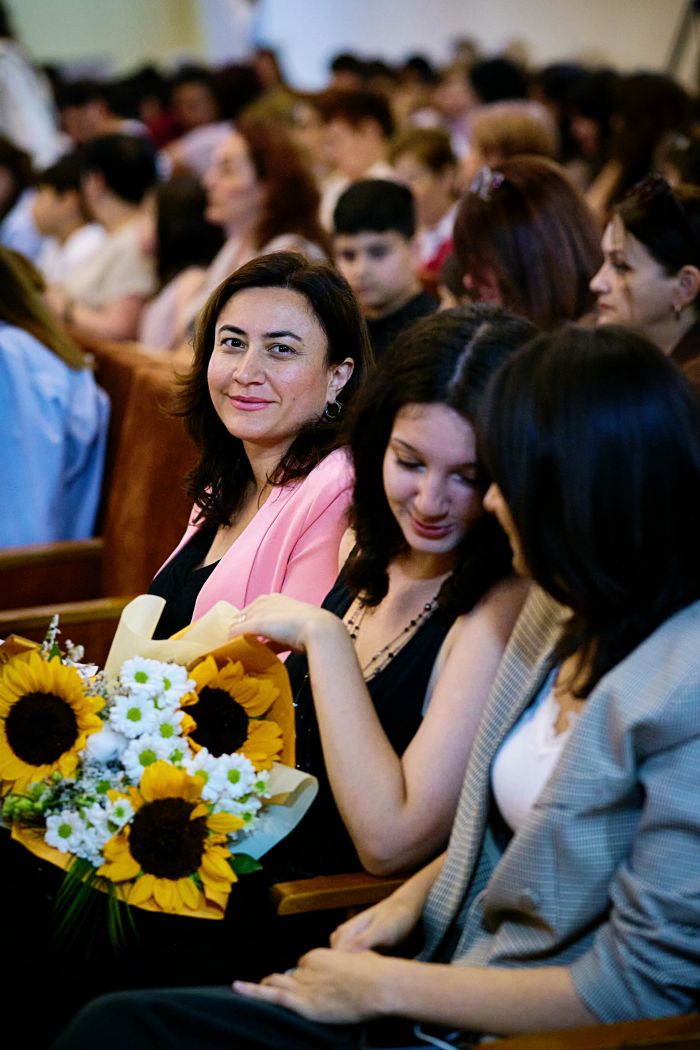
“I think, culturally speaking, Armenians are very connected. From the outside, it feels that people here truly respect culture, artists, and art. Many people in the audience may not know the entire classical repertoire by heart, yet they come every night. They come to support the artists and the music.
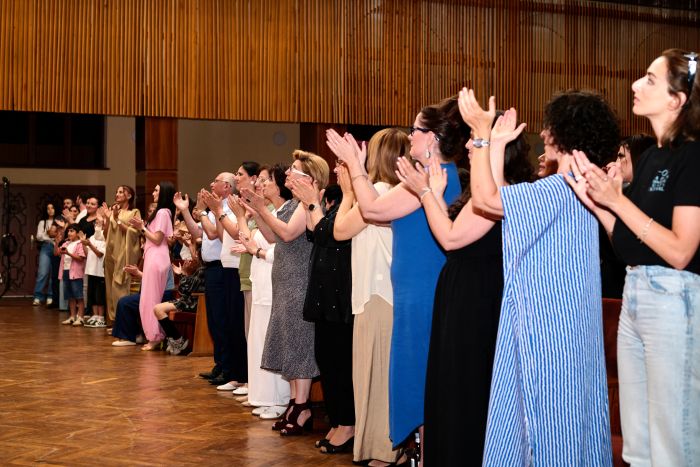
I also noticed that Armenian students love playing Armenian music first and foremost. The desire to preserve their culture through music is deeply rooted in them. And the audience comes to honour that music and those artists. It becomes a real shared experience.”
Kapan Fest grew far beyond the boundaries of a single city. The concert hall brought together the people of Kapan and visitors from around the world, ambassadors, music lovers, friends of the festival, and musicians’ families. Sometimes parents and children took the stage together—two, and sometimes even three, generations of the same family performing side by side.
Behind the Stage
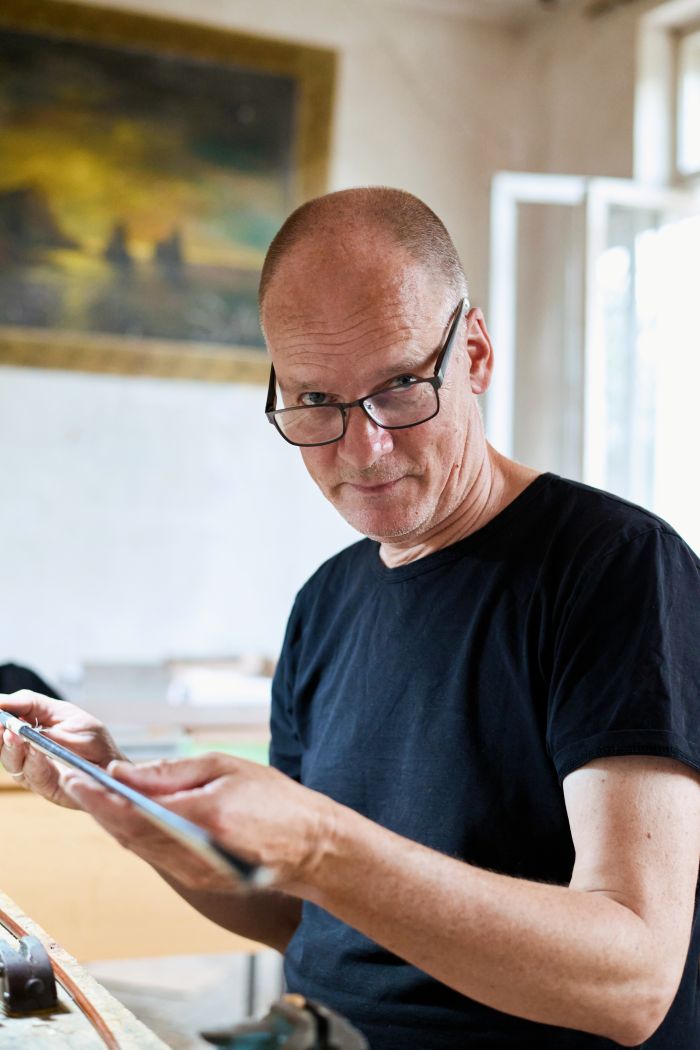
While the audience listens to the music, dozens of people are doing the work that allows the concerts to happen.
One of them was David Rohde. A musician himself, he came to Kapan not to perform, but to help. While his wife, pianist Marianna Shirinyan, and their children, Hannah and Alexander, were on stage, David was working behind the scenes.
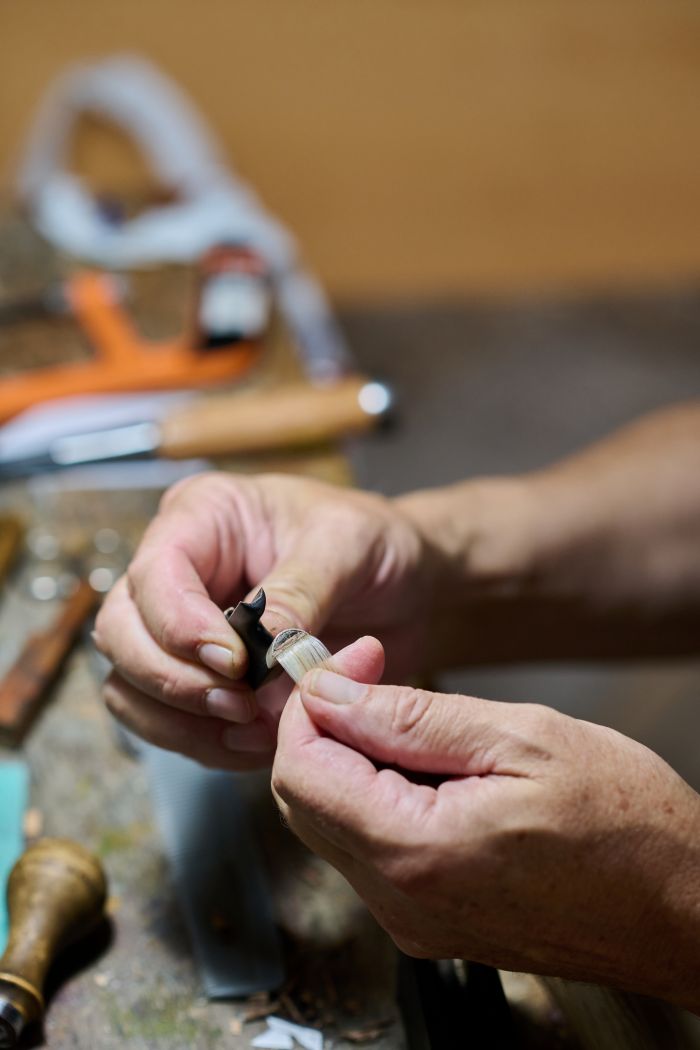
For the past eight years, David has dedicated himself to making and restoring bows — a craft that shapes the voice of an instrument and gives musicians the possibility to fully express themselves.
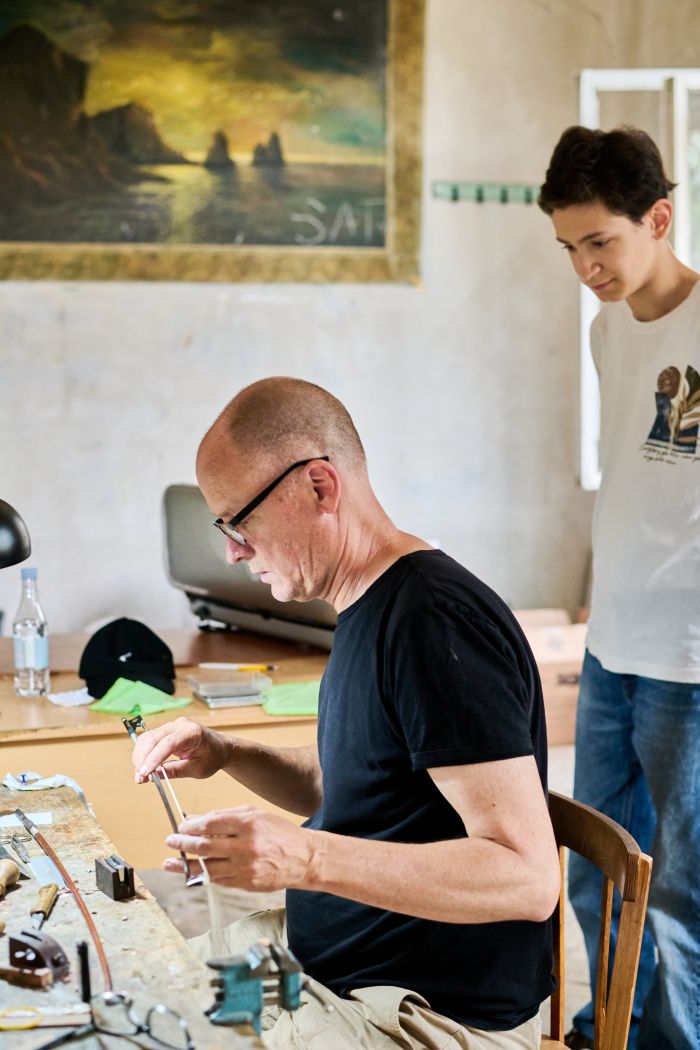
He arrived in Kapan with a suitcase filled with bows for the Armenian students, which he had prepared in advance at his home in Copenhagen, along with everything else he needed. He knew that during the festival, students would come to his small room one after another, carrying their bows in need of repair.
And that is exactly what happened. David turned no one away.
Over several days, he helped dozens of young musicians: replacing bow hair, repairing small details, examining each bow again and again. Free of charge.
When I asked him why he did it, David answered:
— I also want to give something back to this festival.
The Final Evening
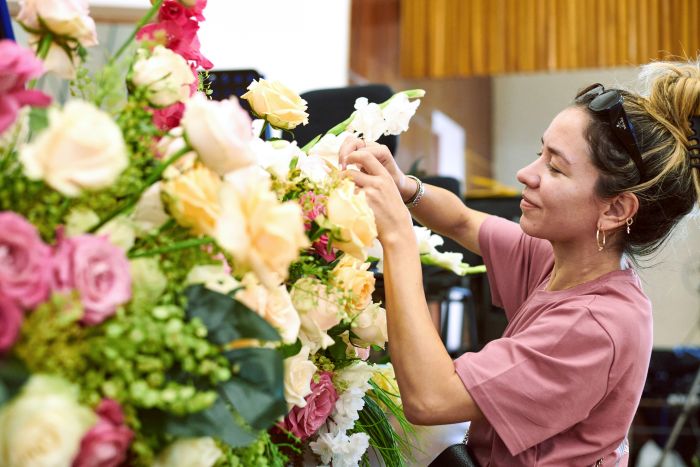
Among those who helped make the festival happen was Maria Coltatu, a violist from Romania. When I asked her how Sevak had convinced her to come, she laughed:
— He told me: “Maria, it won’t be easy. This is not a big city. Often, it will be impossible to find what you need. But I believe we will make it work.”
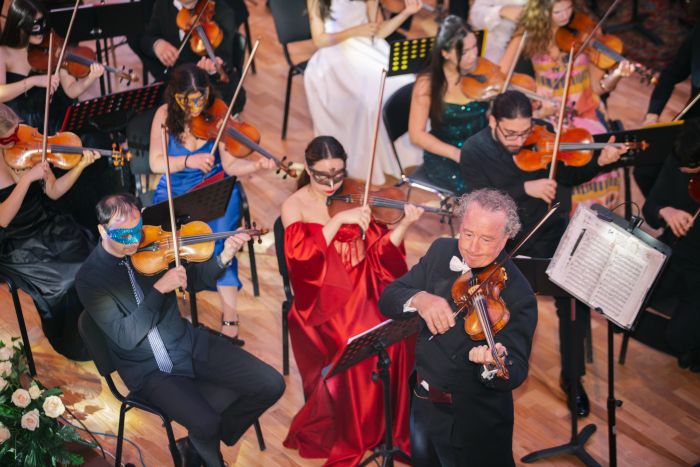
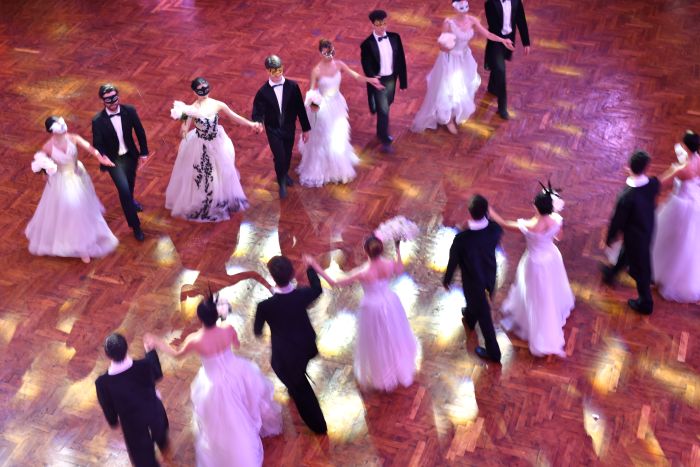
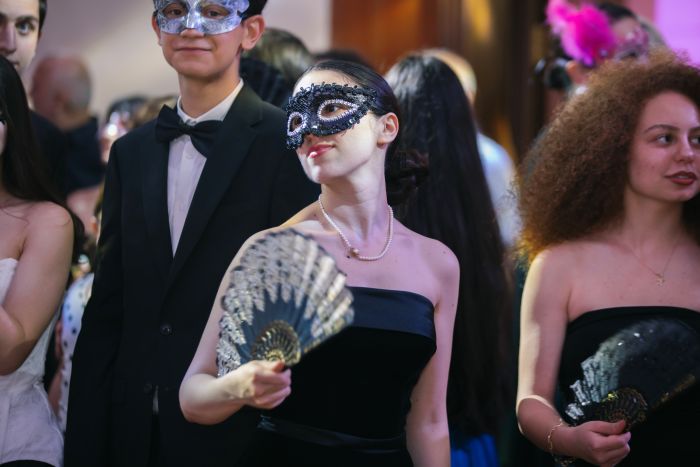
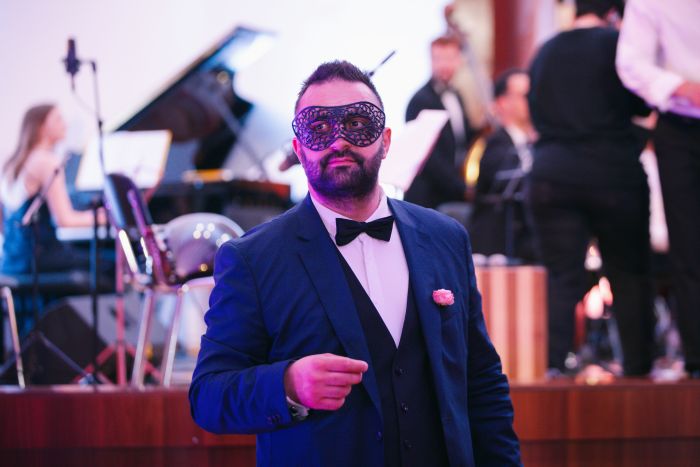
The most unexpected challenge for her was the Viennese Ball that brought the festival to a close. That evening, Dr. Florian Krisper stood at the conductor’s podium. He regularly conducts balls in some of Europe’s grandest palaces. White dresses, tuxedos, Strauss waltzes — everything was meant to create the atmosphere of an authentic Viennese Ball. Maria had even brought masks for the guests from Romania. But there was one problem left: the flowers.
The supplier did not arrive on time. And when the flowers finally came, they were artificial instead of fresh. Maria immediately took matters into her own hands and searched across Kapan for a solution — moving through the city, buying everything she could find, and within a few hours, the hall was ready.
When I asked her what made Kapan Fest different from other festivals, she answered without hesitation:
— Here, everything is built on love and friendship. And we play beautiful music.
Then it was time to leave. Before departing, I asked Anna Sarkisova what remains when a festival like this is over.
She paused for a moment.
— There are moments that make life worth living. For me, these eleven days were one of those moments.
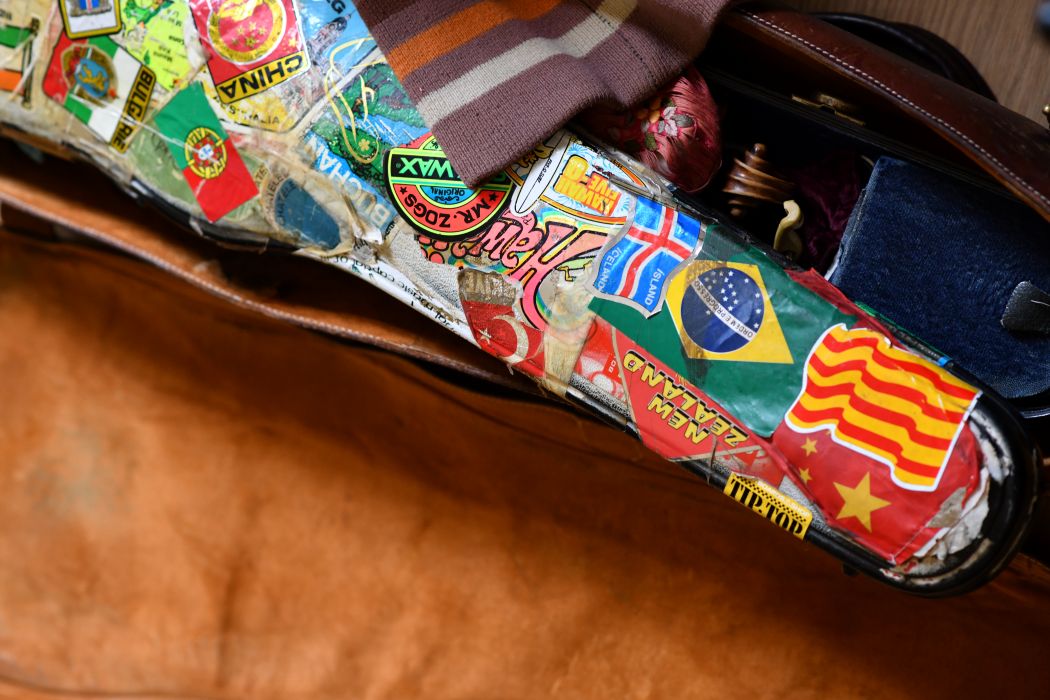
A year from now, the morning scales will once again drift from the windows of Kapan’s music college. Someone will once again feel nervous before stepping onto the stage. And late in the evening, the instrument cases will open again at “Veterok”.
And someone will say:
— Let’s just play together.
Words: Nata Brettell
Photos: Nata Brettell, Mano Hovhannisyan