In Uganda, You Don't Wear a Rolex — You Eat It!
 22:19 21 July, 2026
When Emmanuel Jonathan Okello decided to open his own restaurant, he knew exactly which dish would be the star of his menu: the "Rolex."
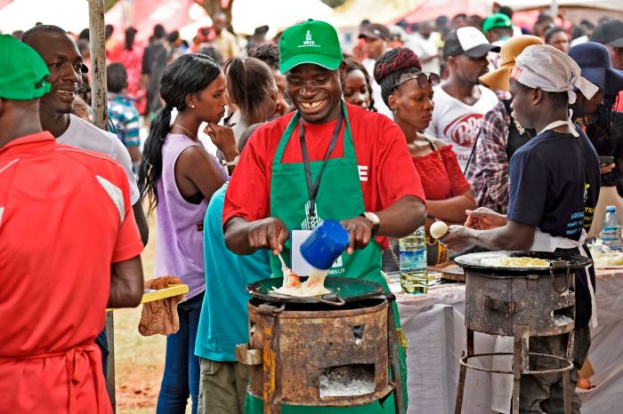
In Uganda, there is a popular joke: "We don't wear Rolexes, we eat them." Today, this iconic East African street food is famous far beyond the country's borders. Yet it originated from a very simple combination of eggs and Indian chapati flatbread, reports CNN.
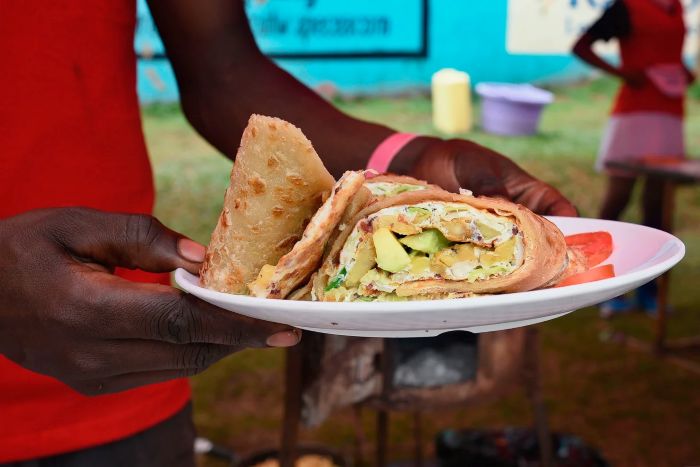
Emmanuel Okello, founder of The Rolex Guy chain of restaurants, explained that the name "Rolex" is a corruption of the phrase "rolled egg."
"The early cooks carefully rolled the omelet into an Indian chapati flatbread. For lack of a better phrase, people quickly started calling this wrap a 'Rolex.'"
From Working-Class Neighborhoods to University Campuses
The dish's history began at the turn of the 20th century, when the British brought Indian laborers to Uganda to build railways. Along with them came the tradition of baking chapati. Ugandans tweaked the recipe slightly, making the flatbread softer while retaining a crispy crust.
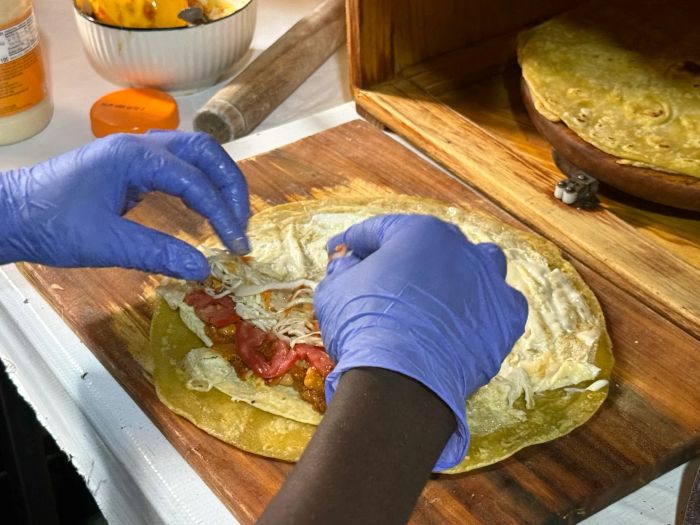
The ingredients are remarkably simple: wheat flour, salt, warm water, and a splash of oil. The dough is rolled out and pan-fried on a flat, circular griddle.
Originally, the "Rolex" was a cheap snack for low-income workers in the eastern part of the country. However, students at Makerere University in Kampala gave it true stardom in the 1990s. Priced at just around 20 cents, street-side Rolexes fit perfectly into a student budget and were filling enough to keep hunger at bay all day.
Culinary Evolution: From Street Carts to Fine Dining
A classic Rolex is effortless to prepare:
-
Eggs are whisked and fried into a thin omelet.
-
The finished omelet is placed directly onto the chapati.
-
It is topped with shredded cabbage and fresh tomatoes.
-
Everything is tightly rolled into a wrap.
Today, however, Ugandans have turned this humble street snack into a canvas for culinary experimentation.
Okello recalls a trip to Jinja where he met a street vendor who added fried tripe to the filling. That gave him the idea that you can put virtually anything inside a Rolex: beef sausages, chicken curry sauce, bacon, avocado, or minced meat. At his restaurant, The Rolex Guy, they even serve the "Chef’s Special"—a Rolex packed with every single filling available (priced at around $5.50).
Chef Jonathan Kabugo even authored an entire cookbook on the subject, titled How to Rolex.
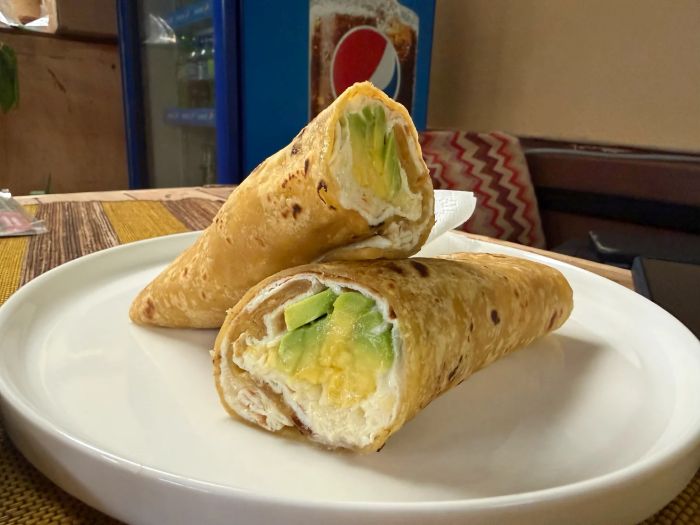
The dish has already expanded beyond national borders, appearing on street corners across Kenya, Rwanda, and Burundi. Meanwhile, the luxury watchmaker Rolex seems to have accepted the phenomenon.
"There are 60 million people in Uganda devouring Rolexes. What can the watchmakers really do about it? I think they should be proud that their brand has taken such deep root in our cuisine!" Jonathan notes.