Lack of Sleep Leads to Weight Gain: Scientists Reveal How 90 Minutes of Sleep Loss Alters Your Waistline
 21:31 27 July, 2026
Chronic sleep deprivation can quietly contribute to extra pounds, according to a study published in the Annals of Internal Medicine.
Researchers from Columbia University Irving Medical Center tracked 95 adults at elevated risk for cardiovascular and metabolic conditions. Over six weeks, participants reduced their nightly sleep duration by just 90 minutes.
One Pound and Added Inches Around the Waist
Key findings from the six-week trial:
-
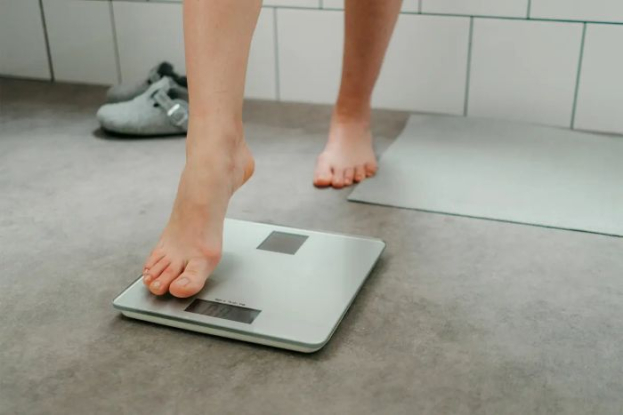
Weight Gain: By the end of the sleep-restriction period, participants gained an average of approximately 1 lb (0.45 kg).
-
Waistline: Participants experienced a slight increase in waist circumference.
-
Sedentary Behavior: Participants spent significantly more time sitting, even though their baseline physical activity levels remained unchanged.
Researchers noted that while body fat percentage and muscle mass did not show drastic fluctuations—and dietary intake was not directly tracked—the exact physiological mechanism driving the weight gain remains a topic of active study.
"Sleep Is a Vital Sign"
Dr. Somi Javaid, a board-certified OB/GYN and founder of HerMD who was not involved in the study, emphasizes that sleep plays a crucial role in metabolic regulation:
"Chronic sleep deficiency isn't just a bad habit or a lifestyle preference. We need to treat sleep as a vital sign."
According to Dr. Javaid, menopausal women are particularly vulnerable: sleep disturbances spike during this phase while metabolism naturally slows down. Traditional advice like "eat less, move more" often falls short under these conditions.
The American Heart Association includes sleep duration in its Life’s Essential 8 checklist, recommending that adults consistently get 7 to 9 hours of quality sleep per night.