Spies on the Carpet: Foreign Robotic Vacuums Declared a U.S. National Security Threat
 16:23 1 August, 2026
Your home robot vacuum might actually pose a threat to national security. This week, the U.S. Federal Communications Commission (FCC) officially added foreign-made smart vacuums to its list of restricted devices, reports The Post.
Under the agency's strict new oversight are "advanced robotic devices"—including mobile humanoid robots capable of walking and dancing—as well as connected network inverters produced outside the United States. Following a thorough review, many of these devices were classified as potential threats to the nation's cybersecurity and critical infrastructure.
What Makes Them Dangerous?
According to FCC experts, smart home tech manufactured abroad leaves users vulnerable to surveillance.
"The networking capabilities of advanced robotic systems create immense vulnerabilities and attack vectors. Through them, data and the physical operations of the device itself can be manipulated. They can harvest intelligence for foreign intelligence services or serve as targets for remote hijacking," the agency stated.
The new restrictions apply exclusively to newly certified equipment and will not affect robot vacuums currently sitting in Americans' homes. Retailers will also be allowed to continue selling, importing, and advertising models previously approved by the FCC.
Which Brands Are Affected?
While specific brand names were not singled out in the official document, manufacturing for most top market leaders—including iRobot, SharkNinja, Dyson, Samsung, and LG—is heavily concentrated in China, Vietnam, Malaysia, and Indonesia.
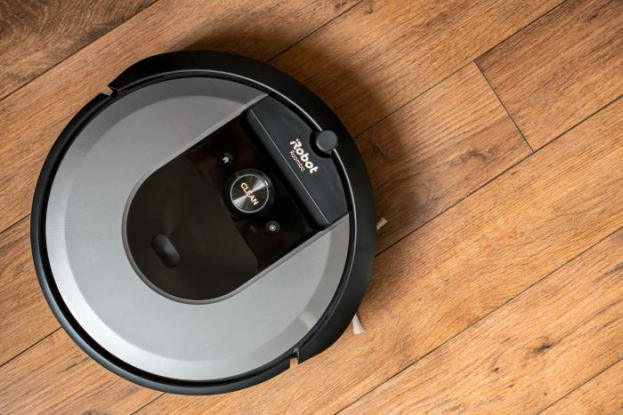
The iconic Roomba was originally created by the American company iRobot back in 2002. However, the brand rights are now held by Chinese entities Shenzhen Picea Robotics and Santrum Hong Kong.
Robots, Routers, and Cyberattacks
The updated regulatory framework covers autonomous electronic devices equipped with built-in sensors, LiDAR systems, and smart-mapping technologies. Typically weighing up to 5.5 lbs (2.5 kg), their navigation systems operate on a combination of proprietary firmware, sensor arrays, and AI algorithms.