New trend in China: Premium cosmetics replace designer bags amid economic crisis
 16:28 5 August, 2026
A noticeable shift in middle-class consumer habits is underway in China. Due to a prolonged slump in the real estate market and declining economic confidence, shoppers are increasingly ditching expensive bags and accessories in favor of premium cosmetics and skincare products, Reuters reports.
Shifting priorities: From bags to self-care
As analysts note, Chinese consumers' desire for luxury has not disappeared, but the spending format has changed. Instead of purchasing entry-level designer bags (such as those from LVMH or Kering), buyers prefer to invest in categories with lower price tags while remaining in the premium segment.
Buying luxury cosmetics or skincare is perceived as an "investment in oneself" and a form of self-care. Such goods are consumable, and their purchase is much easier to justify amid financial uncertainty, unlike expensive leather goods.
According to a study by consultancy Oliver Wyman and the Tax Free World Association, 37% of affluent Chinese consumers plan to increase their spending on premium cosmetics over the next year, while only 4% plan to increase purchases of leather goods.
Success for beauty giants, struggles for bag makers
Against the backdrop of a general market cooling, major beauty conglomerates are showing steady growth in the region:
-
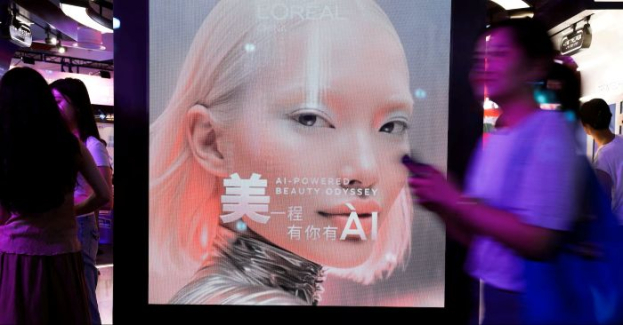
L'Oreal management reported that the premium and dermocosmetics segments in China are growing by about 7%, with top brands like Lancôme and Helena Rubinstein showing even higher results (the company's Luxe business growth in the country reached 10%).
-
Estée Lauder is also counting on accelerated growth in the premium beauty segment.
At the same time, luxury goods makers that rely heavily on leather goods are facing difficulties. Management at Hermès and LVMH notes that demand from Chinese buyers remains weak or stagnant, while sales for Gucci owner Kering continued to decline in the second quarter.