Rolex Stays on Top of the Secondary Market, But Competitors Are Closing In
 16:20 6 August, 2026
The era of insane hype in the secondary watch market is gradually becoming a thing of the past. According to a new report from online platform Chrono24, Rolex's sales share has dropped to 30.5%, although during the pandemic peak in 2022, this figure reached 44%. In fact, the brand has returned to its pre-Covid positions, Robb Report writes.
King of the Market, But with a Smaller Margin
The decline in market share does not mean Rolex is losing its throne at all. In the second quarter of this year, the brand still generated 31% of total sales on the platform. By comparison, its closest rivals lag significantly behind:
-
Omega holds 11% of the market.
-
Patek Philippe accounts for 6%.
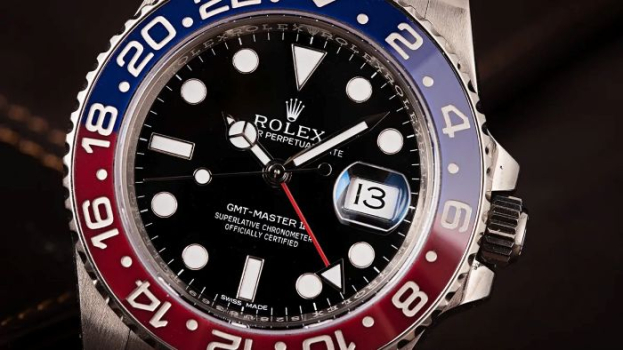
In the $10,000 to $20,000 segment—a key category for the brand, which includes the iconic Submariner, GMT-Master II, and steel Daytona—Rolex still reigns supreme, capturing 61.4% of sales. However, in the ultra-luxury category (over $20,000), the brand's share has decreased by 5.8% over the past three years (down to 38,6%), losing ground to players like Patek Philippe (23.1%), Audemars Piguet (13.8%), and the rapidly rising Vacheron Constantin (5.6%).
Youth Chooses Classics and the Datejust
Interesting shifts are also occurring in consumer preferences. While the market previously relied on speculative interest in sports models, today audience tastes are shifting toward more classic and elegant options.
-
The most lucrative watch for Rolex on Chrono24 unexpectedly became the Datejust, which now accounts for 28% of the platform's revenue.
-
Younger buyers (under 30) eagerly choose the Datejust as their "entry ticket" into the world of luxury watches before moving on to models like the Daytona.
Nevertheless, it is the younger demographic that is cooling fastest to the brand's monopoly. While buyers under 30 spent about half of their entire watch budget on Rolex in 2022, today that figure has dropped by about 30%.
As Balázs Ferenczi, Head of Brand Engagement at Chrono24, notes, modern buyers have become more conscious in allocating their funds. Tastes are shifting away from hype-driven sports models toward classics, which allows more room for growth for brands like Cartier, Patek Philippe, and Vacheron Constantin. Rolex still sets the tone in the market, but the market itself is becoming more diverse.