An Italian Paradise Without Roads or Connectivity: The Wild Island of Palmarola That Tourists Almost Don't Know About
 23:01 10 August, 2026
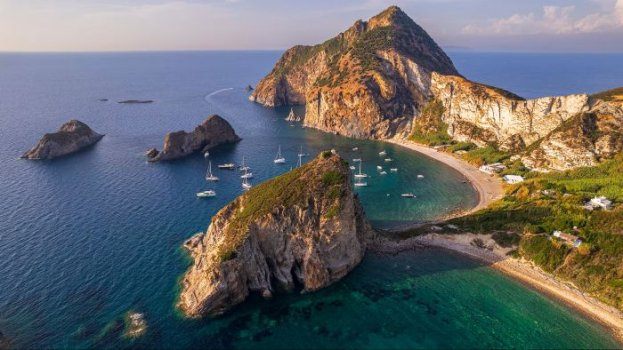
Palmarola is a picturesque and rugged island in the Tyrrhenian Sea off the western coast of Italy. There are no towns or roads here, no electricity, mobile service, or ferry terminal. On most days, the only way to reach it is by a small boat from neighboring Ponza, located five miles away, CNN reports.
The island lies west of Rome: close enough to make a day trip, yet far enough that the hustle, crowds, and traffic of the Eternal City seem like problems from another planet. While Roman forums and fountains attract millions of visitors, Palmarola remains a secret even to many locals.
Primal Relaxation and Obsidian Cliffs
Those who dare to make the journey are drawn not by comfort, but by its complete absence. Palmarola’s steep volcanic cliffs are carved with sea caves and narrow coves. The island has only a single beach, a network of hiking trails heading inland, and almost no traces of modern civilization.
There is only one restaurant operating on the island—O’Francese—which serves fresh fish and rents out modest rooms to travelers carved directly into old fisherman's grottos in the cliffs.

Rooms are booked months in advance on an all-inclusive basis, with prices starting at 150 euros (about $175) per night.
Activities include snorkeling on a pink coral-pebble beach, torchlit walks under the starry sky, and morning hikes to the island's highest point to admire the sunrise.
"For a whole week we feel like we are living in a primal fairytale, vacationing with the Flintstone family," shares Maria Andreini, an IT specialist from Treviso who comes here every summer with her family.
Aside from the main beach, the coastline is explored by boat: sea arches, tunnels, and grottos hide here, and black veins of obsidian—the volcanic glass used by ancient people to create weapons and tools—can still be spotted in the cliffs. Among land creatures, you are most likely to encounter only wild goats hiding among the low-growing palms that gave the island its name.
An Island Without Permanent Residents and Ancient Legends
Palmarola has never been permanently inhabited. Ancient Romans used it as a strategic naval outpost for their imperial fleet, but did not colonize it. In the 18th century, Neapolitan families sent to develop Ponza divided Palmarola among themselves. Today, the island is privately owned and divided into numerous plots belonging to families from Ponza.
Atop one of the sea cliffs stands a tiny white chapel dedicated to Saint Silverius. Pope Silverius was exiled to Palmarola in the 6th century and is believed to have died there. Every June morning, fishermen from Ponza sail here for the saint's feast day to lay flowers, hold a procession with a wooden statue, and pray at the main altar.

"It is a sacred ritual. We believe his spirit still inhabits the waters of Palmarola," local historian Silverio Capone recounts.
For those seeking an escape from civilization and pristine wilderness, Palmarola remains a rarest corner of the Mediterranean where time seems to have stopped several centuries ago.