Hotel War with Bloggers: How a Canceled $4,663 Reservation at the Luxury Amanvari Resort Sparked a Viral Scandal
 23:01 13 August, 2026
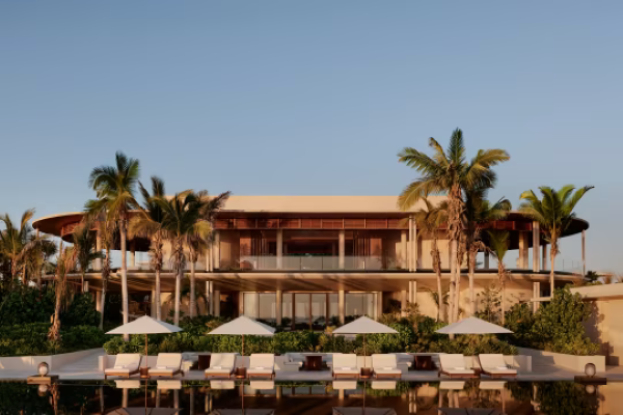
This was supposed to be the most high-profile travel opening of the year. On August 1, Amanvari—the first Mexican resort from the ultra-premium Aman network, whose reputation is built on flawless service, absolute seclusion, and strict guest confidentiality—launched in Mexico's Baja California Sur region. The complex promised 18 beachfront villas, wellness centers, and fine dining, writes the WSJ.
However, just a week after opening, the hotel found itself at the center of a loud viral scandal. In a video with the sensational headline "Amanvari Called the Cops on Me," popular luxury hotel reviewer Ryan Walker claimed that resort staff denied him entry and called law enforcement when he tried to check into his pre-booked $4,662 room.
"A video created by someone who had no authorization to be on our property is misleading and does not reflect the actual circumstances of the incident," the Aman press office stated.
The clash between the hotel's and the blogger's versions vividly illustrates a new reality: cameras are rolling 24/7, the chase for reach outpaces the truth, and public opinion is shaped not by what actually happened, but by who posts first.
Clash of Versions
Ryan Walker, whose channel boasts over 150,000 subscribers, builds his brand on honest reviews funded out of his own pocket (unlike influencers who accept free trips in exchange for advertising). He arrived at Amanvari on August 3.
According to the blogger, he fell victim to nightmarish hospitality. In the video, which garnered over 750,000 views, his car approaches a wooden security booth, staff recognize him, state that there is no reservation, and, according to Walker, call the police. As he drives away, Walker discovers an unopened email from the hotel apologizing for canceling his reservation due to reduced capacity during the opening week. Later, under pressure from The Wall Street Journal, Walker admitted that he received the email not at night, but in the morning before his trip, yet chose not to alter the timeline in his video or livestream.
The internet instantly sided with the blogger. The video accumulated over 5,000 angry comments from loyal fans of the brand, such as: "Never booking Aman hotels again!"
However, a detailed breakdown of the footage reveals inconsistencies:
-
In the video, an employee says, "I need to call the police," after which Walker drives away. The blogger himself later admitted to the WSJ that he never actually saw the police arrive. The hotel provided an incident report that makes no mention of law enforcement being called.
-
The video captures service checkpoints (the background audio can be heard saying: "Este es el acceso de colaboradores" — "This is the employee entrance"), rather than the main guest entrance. Walker claims he simply trusted his GPS.
Content Rules vs. The Desire for Hype
Five days prior to the visit, the hotel emailed Walker warning him that filming on the property was prohibited until the end of a one-month media blackout period, and offered to reschedule his trip. Walker replied that he would come as an ordinary guest. The resort responded that they were ready to host him as a private individual, but reiterated the ban on public filming. The blogger interpreted this in his own way: "Great, we'll figure it out on site."
The hotel fully refunded Walker’s booking fee, promised to cover additional travel expenses, and offered assistance with rebooking. The blogger accepted the refund, but declined compensation for the trip.
Experts note that the situation highlights the mounting tension between businesses and content creators. Jack Ezon, CEO of luxury travel booking company Embark Beyond, emphasizes that hotels have every right to cancel reservations, and new resorts during their first months of operation are best avoided as "guinea pigs."
The luxury world still values privacy and silence. But the modern internet only values whoever manages to speak out first.