Wolves in Cashmere: Billionaires No Longer Want to Look Like Billionaires
 20:26 27 August, 2026
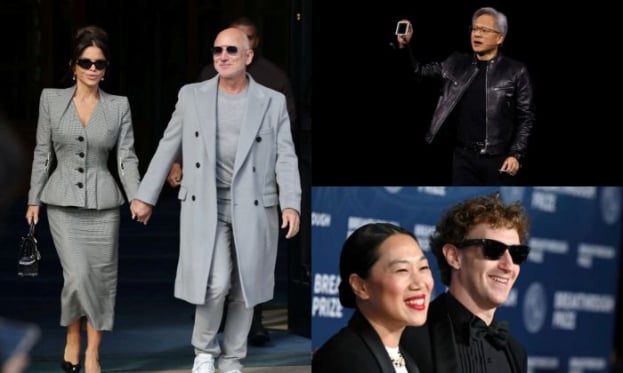
Not long ago, hoodies, jeans and sneakers were practically the uniform of Silicon Valley. Today, everything is changing. Leaders of the world’s biggest technology companies have become full-fledged public figures, and their wardrobes are now closely watched by the fashion industry. In place of conspicuous consumption comes quiet luxury, discreet wealth and logo-free pieces defined by impeccable quality, WWD reports.
As technology becomes increasingly embedded in everyday life and the professional world, a new generation is looking not only to Silicon Valley’s most successful figures for career inspiration, but also to their personal style. And the fashion industry is paying close attention to the transformation.
Among the key figures shaping this new fashion landscape are Amazon founder Jeff Bezos, Meta CEO Mark Zuckerberg, OpenAI founder Sam Altman and Snap CEO Evan Spiegel.
The connection between technology and fashion has also been strengthened by Meta’s AI-powered smart glasses, developed in partnership with EssilorLuxottica, major donations from tech billionaires to the Met Gala and Condé Nast’s plans to bring Vogue World to San Francisco next year.
All of this confirms that the era when tech moguls preferred to remain in the shadows is over.
From Hoodies to Cashmere
Quiet luxury. Discreet wealth. No logos. Just exceptional materials.
That approach is increasingly visible among attendees of the annual Allen & Co. conference in Sun Valley, Idaho. Guests have included Karlie Kloss, Lauren Sánchez Bezos and Ivanka Trump.
According to three sought-after stylists who work with influential Silicon Valley figures, technology executives still favor understated luxury, but their younger Gen Z and millennial employees are paying close attention to what their bosses wear.
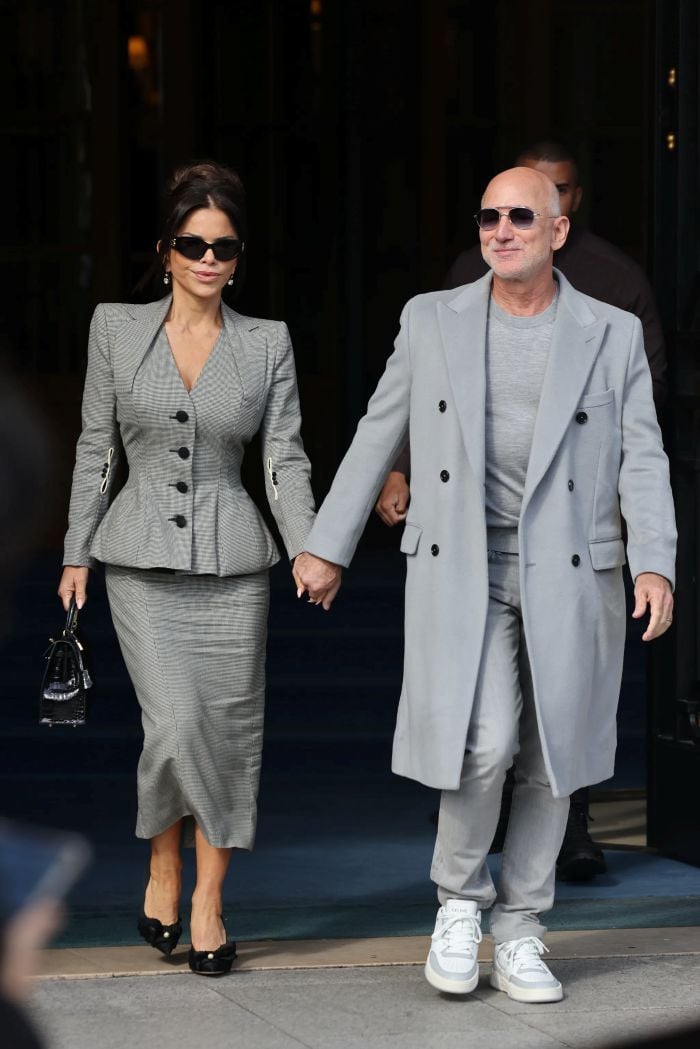
Some members of the tech elite, meanwhile, are no longer simply observing fashion — they are actively helping shape it.
Jeff Bezos and Lauren Sánchez Bezos have appeared at Dior shows, while Mark Zuckerberg has been spotted at Prada. Biohacker Bryan Johnson has gone even further: in February, he walked the runway at the Paris show of Matières Fécales, whose collection, rather symbolically, criticized capitalism.
“It’s a whole new kind of chaos” and, at the same time, “an expression of beauty,” Johnson said backstage, comparing the fashion world with the “very focused, structured and methodical” technology environment he knows so well.
Unlike bankers or lawyers, whose dress codes have changed relatively little over the decades, the technology industry is undergoing a genuine visual revolution.
“It’s fascinating to watch this happen right before our eyes,” stylist Victoria Hitchcock said. “It’s affecting designers, too, because they’ve discovered an entirely new market.”
The old philosophy of “comfort above all” has also acquired a new interpretation. Faded ripped jeans, “dirty” sneakers, cotton hoodies and other basic staples are gradually being left behind.
The reason is simple: members of the tech elite now attend the World Economic Forum in Davos, meet at the White House, appear at the Met Gala, the Oscars, the Kentucky Derby and the Allen & Co. conference in Sun Valley.
They increasingly need to dress for their status.
Fashion Finds a New Power Center
“Fashion has always followed power,” says executive style strategist Andrew Weitz.
But the very nature of power has changed. An increasing number of the world’s most influential people are technology company founders. They are no longer programmers working behind closed doors. They are celebrities.
They appear on magazine covers, take part in public discussions, give interviews and become fixtures of the society pages. As a result, their appearance is gradually becoming part of their personal brand.
Weitz’s clients are increasingly turning to understated luxury labels such as Zegna, Tom Ford, Ralph Lauren and Brioni — brands that allow them to signal status without flashy logos.
“They see where the money is. They see where the power is,” the stylist explains.
Designers understand this perfectly. They are creating simple, comfortable yet expensive pieces for this new audience — clothes that look as effortless as possible.
Mark Zuckerberg: From Hoodies to Loro Piana
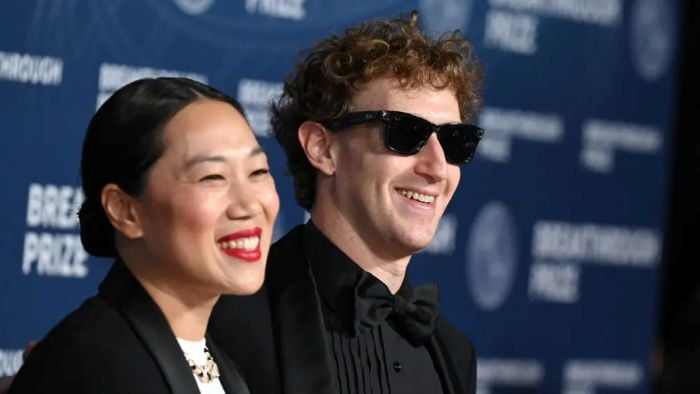
Perhaps the most noticeable transformation has taken place with Mark Zuckerberg.
The Meta founder has gradually moved away from the image of a man in a basic cotton T-shirt or hoodie and begun experimenting with a more sophisticated wardrobe featuring streetwear, jewelry and expensive basics.
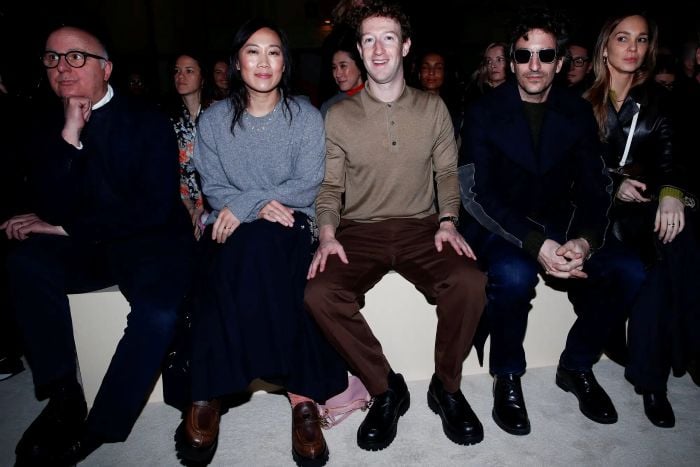
According to stylist Stephanie Vennita Stimmler, the change is particularly obvious.
“He used to be the complete opposite of this — he wore cotton hoodies and flip-flops. Now he wears Loro Piana cashmere hoodies,” she says.
Stimmler also speculates that Zuckerberg’s wife, Priscilla Chan, may have played a role in his transformation.
His new style, however, is aimed less at flaunting wealth than at connecting with a younger audience. Chains, streetwear elements and relaxed silhouettes make the billionaire’s look less formal while keeping it contemporary.
Significantly, Zuckerberg now attends fashion shows and finds himself sitting in the front row alongside some of the industry’s biggest names.
Jeff Bezos Is Changing the Rules, Too
Another notable example is Jeff Bezos.
According to Weitz, the billionaire underwent a significant transformation after meeting and marrying Lauren Sánchez Bezos — not only in his appearance but also in his lifestyle.
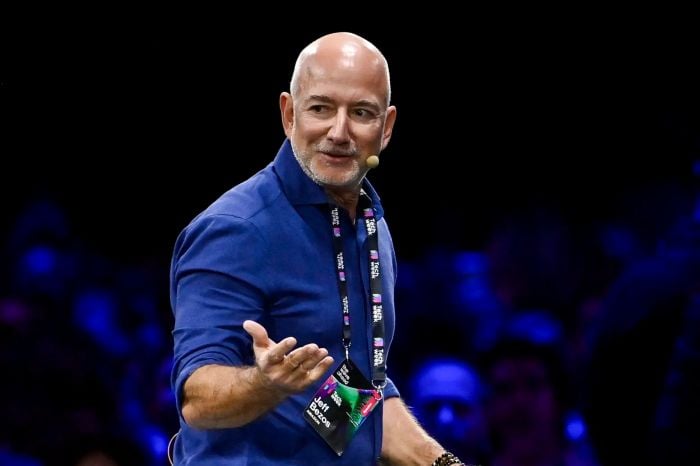
The couple has become increasingly involved in the fashion world, and their participation in the Met Gala is one of the clearest examples of the growing relationship between the technology elite and the fashion industry.
Bezos Earth Fund has also awarded $34 million in grants for research and the development of innovative textile materials for the fashion industry.
Bezos and Sánchez’s influence, therefore, extends far beyond their personal wardrobes: their wealth and visibility are beginning to have a direct impact on the development of fashion.
Every Billionaire Has His Own Uniform
Despite the broader shift toward understated luxury, many technology executives prefer to create their own recognizable “uniform.”
Nvidia CEO Jensen Huang has practically turned a black Tom Ford leather jacket into his signature look.
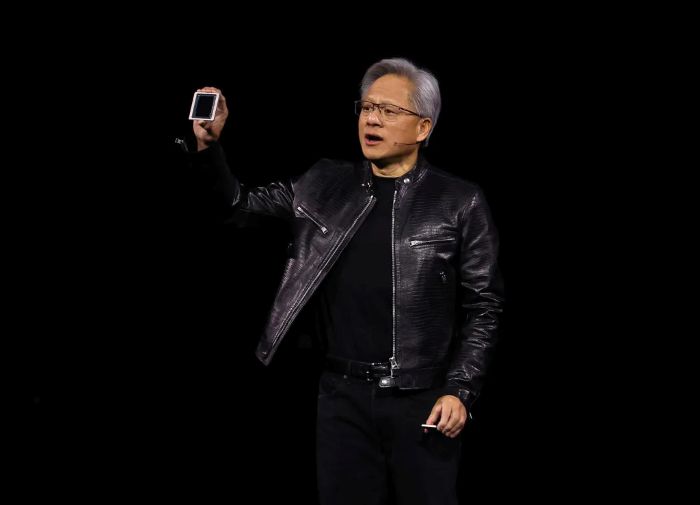
Weitz believes Huang may eventually need to change things up, but acknowledges that the recognizability works in favor of his personal brand.
“You know it’s him. It’s like Steve Jobs’ turtlenecks,” the stylist says.
Sam Altman, meanwhile, still has room to evolve, in his view.
Despite the OpenAI CEO’s understated appearance, Weitz believes a more deliberate approach to style could make his image even more significant and influential.
The Golden Rule: Look Like You Didn’t Try
The key principle of the new tech luxury aesthetic is not to look overdressed.
“People can tell when someone is trying too hard,” Weitz says. “If someone dresses consistently, it becomes part of their personal brand.”
That is why clothing should be so carefully considered that it is almost imperceptible.
For many Silicon Valley figures, a wardrobe is simply a way to eliminate one more problem from everyday life. They are busy building technologies, companies and new platforms, so they want to be able to open their closet in the morning without spending time deciding what to wear.
In that sense, expensive clothing becomes a kind of efficiency tool.
Why Millionaires Don’t Want to Look Like Millionaires
Stylist Stephanie Vennita Stimmler emphasizes that logo-free clothing has become almost a prerequisite for many of her clients in the technology industry.
They want to look polished, expensive and confident — but not like a “walking billboard.”
“They really don’t want people to know they’re wealthy. They want to remain inconspicuous while still looking very good,” she says.
Company founders, product managers and venture capitalists often tell their stylist directly that they do not want to look like lawyers in suits and ties.
Their wardrobes increasingly feature Loro Piana, Brunello Cucinelli, Max Mara, Hermès, Ralph Lauren, Dior and Jenni Kayne.
On average, Stimmler’s clients spend around $20,000 on a complete wardrobe overhaul and another $8,000 to $20,000 on seasonal styling.
For some of Victoria Hitchcock’s clients, annual spending can reach $400,000.
A Younger Generation Is Learning Style From Billionaires’ Wives
Interestingly, men are not the only ones shaping Silicon Valley fashion.
Young female employees at technology companies often show stylists photographs of executives’ wives, trying to figure out whether they can adapt those looks to their own professional environments.
Miranda Kerr and Karlie Kloss are of particular interest.
Both have successful modeling careers behind them, but today they have also become entrepreneurs and public figures in their own right.
Kerr founded the cosmetics brand Kora Organics, while Kloss has invested in around 20 companies and is actively involved in the technology and media industries.
Their influence extends well beyond the red carpet. Kerr has appeared at Dior, while Kloss regularly attends shows by major fashion houses, from Chanel and Marc Jacobs to Carolina Herrera and Givenchy.
Their style is becoming a point of reference for a new generation of women in the technology world.
Lauren Sánchez and Priscilla Chan: Two Versions of Luxury
According to Stimmler, Lauren Sánchez Bezos’ growing connection to luxury culture gives her the ability to influence audience attention toward particular designers, looks and aesthetics.
Priscilla Chan, by contrast, is much less likely to drive mass fashion trends. But her minimalist Silicon Valley style may resonate with female executives, founders and philanthropists.
Palo Alto itself is gradually becoming a full-fledged luxury shopping destination, with Chanel, Loro Piana, Brunello Cucinelli, Ralph’s Coffee and Veronica Beard all represented there.
“People are definitely becoming more interested in luxury goods,” Stimmler notes.
The New Formula for Status
Silicon Valley has ultimately created its own version of luxury culture.
Here, there is no need to wear a giant logo across your chest or conspicuously display the price tag of your clothes. Instead, true status is increasingly communicated through the quality of the cashmere, impeccable tailoring, the materials of one’s shoes, a fine watch and how naturally someone carries expensive clothing.
Billionaires no longer want to look like billionaires. They want to look as though they simply have nothing to prove.
And that philosophy — quiet luxury, no logos and an almost deliberate sense of effortlessness — is gradually becoming the new uniform of the technology elite.