No Steering Wheel, No Pedals: Tesla Puts Golden Robotaxis on the Streets of Texas
 14:13 4 September, 2026
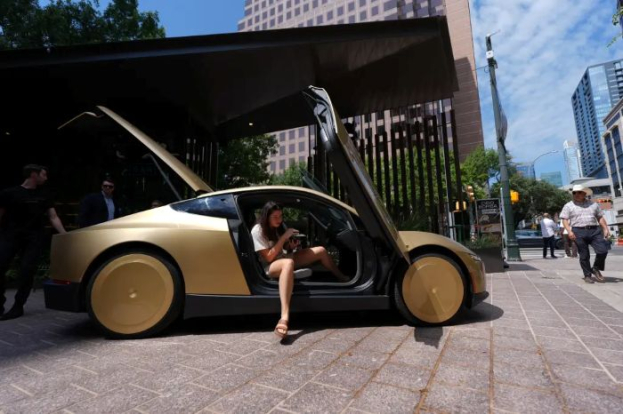
Elon Musk has sent dozens of fully autonomous Cybercabs onto the streets of Austin, Texas — vehicles with no steering wheel and no brake pedals whatsoever.
The launch comes as sales of Tesla’s traditional electric vehicles continue to decline and the company loses its global EV market leadership to Chinese automaker BYD.
Tesla shares rose more than 5% on investor hopes that the futuristic taxis will quickly catch on with the public.
The new gold-colored Tesla EVs leave passengers with no way to take control in an emergency. Nevertheless, Musk is aggressively promoting the project. Ahead of the launch, Tesla posted a teaser on X with the caption “No steering wheel, no pedals,” while the billionaire later wrote: “Cybercab storm.”
However, the company faces significant public skepticism.
Passenger Distrust
According to a February survey by Pew Research Center, seven in 10 Americans feel “not too” or “not at all” comfortable with the idea of riding in a self-driving vehicle. Only 7% of respondents said they would feel extremely or very confident doing so.
The Race Against Rivals
Tesla is still far behind the market leader in autonomous ride-hailing, Waymo, the self-driving unit owned by Alphabet. Tesla has just over 200 driverless vehicles operating across several cities, while Waymo’s fleet exceeds 4,000 vehicles across 14 cities.
A Different Technical Approach
Unlike its competitors — Waymo and Amazon’s Zoox — which use a combination of cameras, radar and lidar laser sensors, Tesla’s system relies exclusively on cameras.