Sickle Around Her Neck, Padlock on Her Toe: The “Vampire” in the Grave Was an Innocent Teenager
 22:23 7 September, 2026
The “real vampire” who was feared so intensely that she was buried in a locked grave rigged with a deadly trap was actually just a teenage girl. The circumstances surrounding her death, however, remain a mystery, according to the NYP.
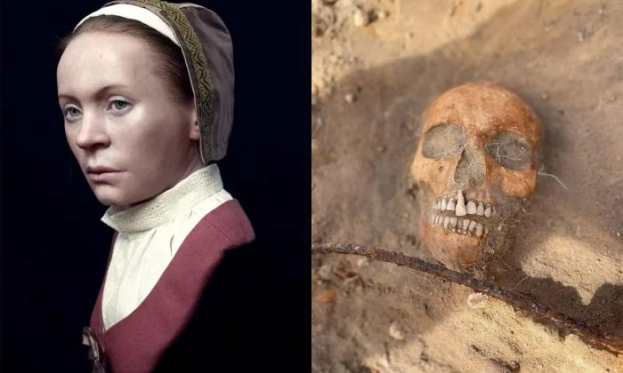
The girl, whom researchers nicknamed Zosia, was discovered in 2022 at a creepy, unmarked 400-year-old cemetery in Poland. During the 16th century, local residents buried dozens of people there who were believed to be vampires or demons.
Zosia was buried with a sickle placed across her neck. Researchers believe it served as a kind of medieval trap: if the girl somehow came back to life after death and tried to climb out of the grave, the sickle would have decapitated her.
Scientists now say Zosia was just 17 to 19 years old. She showed no signs of having been the victim of violence and apparently did not die from disease. However, local people may have blamed her for famine or an outbreak of an unknown infection, according to a new study published in the Journal of Archaeological Science.
Researchers initially suspected that the girl may have been sacrificed because people feared her. But the new study found no evidence that Zosia had suffered violence before her death or that she had died from an illness.
Scientists previously established that the girl was originally buried with a padlock attached to her toe. The practice was relatively common at the time, reflecting widespread fears that the dead could rise from their graves and harm the living.
The sickle appears to have been added later, possibly after local people dug up the body. Researchers believe this may have happened after the region experienced an outbreak of disease or a period of famine. The sickle was intended to serve as a final safeguard against a possible “resurrection.”
Analysis of Zosia’s bones and teeth also revealed an unusual deformity of her chest. It may have caused the girl considerable pain and perhaps made her stand out from those around her to such an extent that locals attributed supernatural abilities to her.
But perhaps the most surprising detail is that Zosia apparently was not a poor peasant girl at all.
She was buried in a coffin and wore a silk cap decorated with real silver and gold threads. According to researchers, this suggests that she may have come from a wealthy or even aristocratic family.
DNA analysis revealed distant genetic links to Scandinavian populations. Other evidence, however, suggests that the girl herself grew up in the region. Scientists date her death to the mid-17th century, roughly 350 years ago.
Despite the fear she apparently inspired, researchers have found no evidence that Zosia was murdered, sacrificed or killed by disease.
Why Was She Mistaken for a Vampire?
The modern concept of the vampire developed much later, but people in Eastern Europe had been afraid of such creatures since as early as the 11th century. They believed that certain dead people could rise from their graves as bloodsucking monsters and terrorize the living.
By the 17th century, unusual burial practices had become widespread across Poland amid reports of an alleged “vampire epidemic.”
To prevent the dead from returning, people employed a variety of measures: bodies were locked down, tied up, pinned beneath heavy objects and, in some cases, restrained with weapons — as happened with Zosia.
Today, scientists view the story very differently.
Behind the image of a terrifying “vampire” who was locked inside her grave and equipped with a deadly trap was most likely an ordinary 17-year-old girl whose life and death were surrounded by fear, superstition and mystery.