The garden’s fussy aristocrat: Essential Japanese maple care tips for a flawless red color
 22:23 8 September, 2026
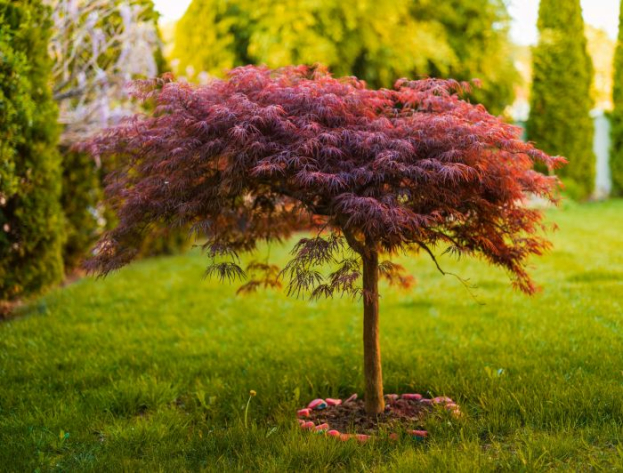
Japanese maples (Japanese Acers) are true aristocrats of the garden — but they can be remarkably temperamental. To keep your tree displaying luxurious wine-red foliage, it needs the right care, the perfect location and one particularly important treatment.
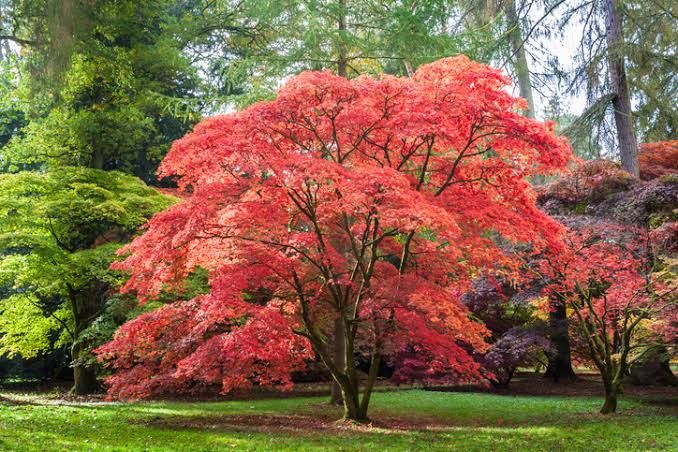
According to gardening experts, achieving rich, intense colors is entirely possible if you take a few key factors into account.
The most popular and sought-after color for these maples is a deep wine-red or burgundy. But when the tree is stressed or unhealthy, it can quickly lose its distinctive beauty. According to UrbanGardensWeb, Japanese maples are often affected by aphids and other pests, sun scorch caused by excessive direct sunlight, as well as overwatering, which can leave the soil waterlogged and damage the root system.
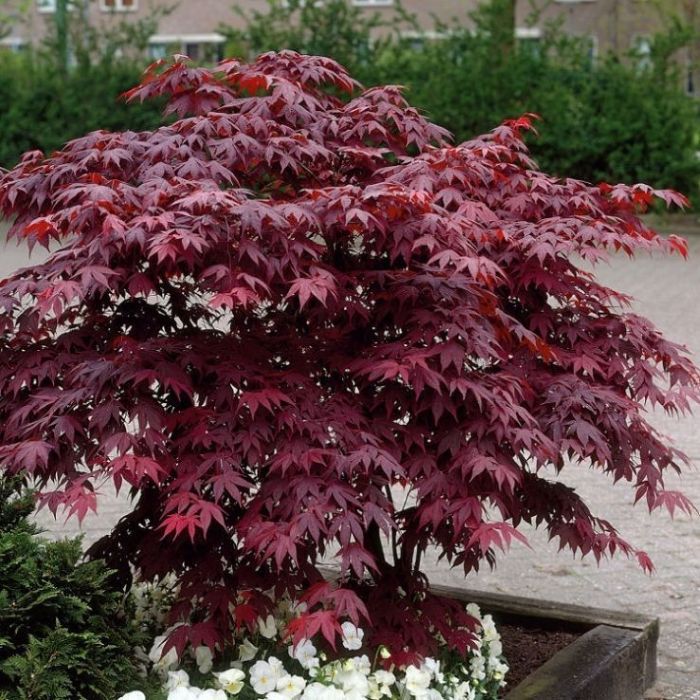
To turn your green — or still rather pale — tree into a spectacular feature of the autumn garden, follow these simple rules:
- Mulch correctly
Experts recommend applying a good layer of organic mulch around the base of the tree, such as composted bark or leaf mold. This helps protect the roots from temperature fluctuations, retain moisture and provide gentle nourishment.
Important: Never pile mulch directly against the trunk in a “volcano” shape. Leave a small gap around the trunk to prevent the bark from rotting.
- Stick to a feeding schedule
Use a good-quality granular fertilizer strictly in spring, during the active growing season. Avoid feeding the tree in autumn, as this can encourage premature new growth that may be damaged or killed by the first frosts.
- Control the amount of sunlight
Many gardeners wonder why a red-leaved Japanese maple suddenly turns green. The reason may be too much sunlight. If the tree spends all day exposed to intense direct rays, its leaves can develop more chlorophyll and become greener.
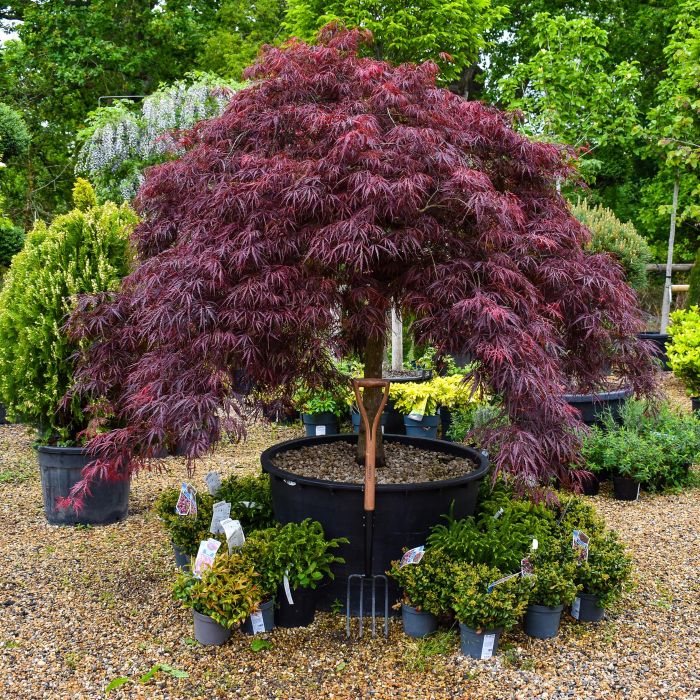
The ideal location for a Japanese maple is somewhere that receives gentle morning sunlight but is protected by shade during the hotter part of the afternoon.
- Take its age into account
Don’t panic if a young sapling looks somewhat green. Japanese maples often develop their true varietal color and intensity only as they mature, sometimes after several growing seasons.
- Choose the right variety
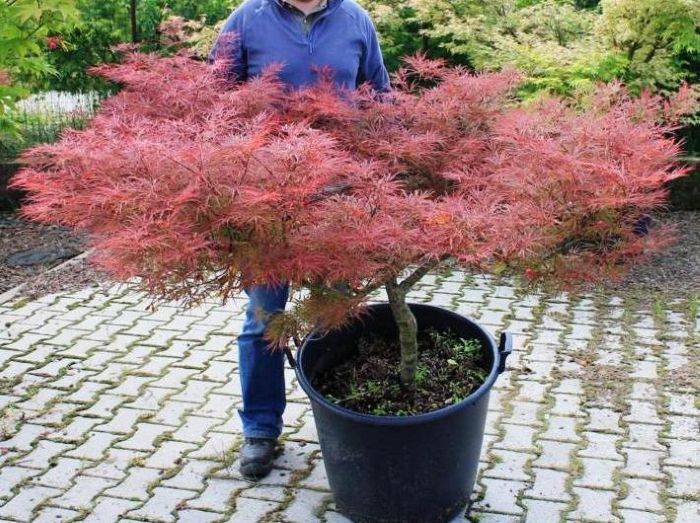
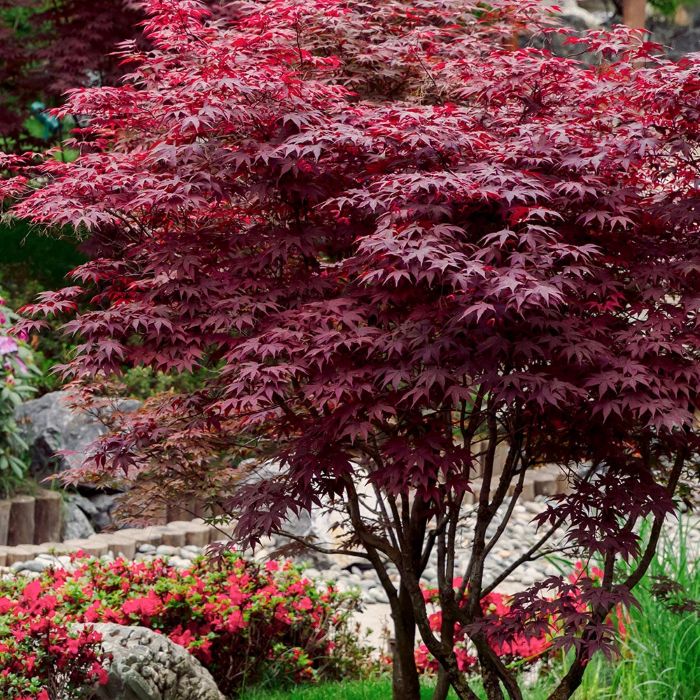
If you are planning to buy a Japanese maple, look for proven varieties. Red Dragon and Emperor 1, for example, are known for retaining their rich red coloring more reliably and consistently than many other varieties.