Beautiful Destinations, Cold Reception: 6 Places Where Tourists Encounter Rude Service
 22:17 22 September, 2026
The Eiffel Tower, charming Italian streets and the azure waters of the Adriatic — millions of tourists dream of visiting these places. But behind the picture-perfect postcards, there can sometimes be an unexpected reality: cold looks, curt replies and service that can spoil even a long-awaited vacation.
Travelers share stories of rude treatment in popular destinations, although experts point out that in many cases, what feels like rudeness may have less to do with hostility than with cultural differences and contrasting ideas about politeness.
Here are six destinations that frequently appear in such complaints.
Paris
For many tourists, Paris topping such a list will hardly come as a surprise.
“Parisians aren’t always known for being friendly, particularly toward people who don’t speak French,” etiquette expert Jo Hayes, founder of EtiquetteExpert.org, told the Daily Mail.
According to Hayes, many Parisians understand English perfectly well but deliberately prefer not to speak it. Frustration toward American tourists may also stem from their lack of French, reluctance to greet one another with kisses on the cheek, demands for air conditioning and dislike of some traditional French dishes.
However, Hayes notes that this attitude is far from representative of all of France. Outside Paris, tourists often encounter a much warmer welcome.
Italy
Italy comes in second. Some travelers complain about the bluntness and impatience of local residents.
“I was surprised by how unfriendly the locals seemed. Many conversations were short and impatient, and some people even gave my family disapproving looks simply because we were American,” one Reddit user complained.
Other tourists, however, attribute such reactions to the sheer number of visitors. In Italy’s most popular cities, huge crowds of tourists regularly clog streets, create human traffic jams and disrupt everyday life for residents.
Attitudes toward Americans are also mixed. One guide said that wealthy Americans staying at hotels such as the Four Seasons are among his most difficult clients, describing them as demanding and rude and saying they can keep staff waiting for hours.
Another guide, by contrast, praised Americans for their generous tips and genuine interest in Italian food, wine and culture.
Germany
There have been plenty of discussions on Reddit about the alleged rudeness of Germans toward tourists.
“Ordinary interactions with Germans at tourist information desks, train stations and shops were, in most cases, accompanied by outright rudeness,” one traveler wrote. According to him, requests for help were met with eye-rolling, silence and responses in German, even when he had already explained that he did not speak the language.
Other users, however, argue that such behavior has less to do with hostility toward tourists and more to do with a national tendency to avoid small talk.
“Germans tend to keep to themselves and aren’t particularly interested in small talk. That can come across as rude to some people, but it’s nothing personal,” one commenter explained.
South Korea
Some travelers believe that people in South Korea are not particularly eager to help foreigners.
“I often felt that people were reacting to me with irritation, and on the streets people would simply push past me. Perhaps I was misinterpreting the body language and directness, but it all felt rather harsh,” Thomas Isake, who visited South Korea and the border with North Korea, told the Daily Mail.
Another tourist said he spent a month in the country and felt “a little unwelcome”: people were reluctant to help, passengers pushed past him on public transportation, and staff at establishments could be abrupt when he did not understand local rules.
Other travelers strongly disagreed.
“I’ve been to Korea 11 times and have almost never encountered rude people,” one user wrote.
Another tourist said that during eight nights in the country, she encountered nothing but friendly Koreans who often offered to help without being asked.
A longtime expat explained that much depends on the situation, the traveler’s age and behavior, as well as whether they follow local cultural norms.
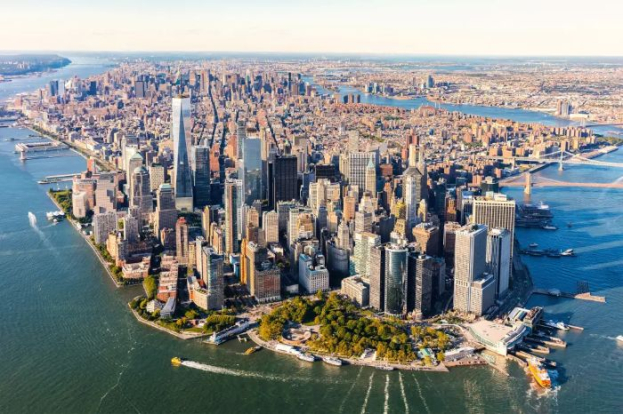
New York
According to the Daily Mail, New York is one of the biggest sources of complaints about rudeness in the United States.
A Business Insider survey provides some support for that perception: 34.3% of respondents considered New Yorkers unfriendly.
“Can someone explain why people in New York are so miserable? I really don’t understand why I have to deal with so much rudeness,” Malena Morrison complained on TikTok.
New Yorkers, however, were quick to defend themselves.
“We’re not miserable — we just don’t have time to walk slowly and make small talk. We’re always rushing somewhere,” one local explained.
Another argued that New Yorkers are actually among the kindest people, but that local etiquette is based on not wasting other people’s time or invading their personal space.
“Efficiency matters more than pleasantries,” he said.
“We don’t have time to babysit strangers,” another commenter concluded.
Montenegro
The small Balkan country has become an increasingly popular tourist destination in recent years, welcoming more than 2.5 million visitors annually.
But some of them have been unhappy with the way they were treated by locals.
“From the moment I entered Montenegro, I was struck by how rude and unwelcoming people were. With rare exceptions, I encountered almost no basic courtesy. People stare at you, give you disapproving looks, mock you for being a tourist and generally make you feel as though you are bothering them simply by being there,” one traveler wrote on Reddit.
Another said: “I’m in Montenegro right now. I’m leaving tomorrow and I’ll never come back.”
“The food is good, the scenery is beautiful, but I feel like many locals don’t like tourists,” another traveler added.
A more measured perspective, however, links some of these attitudes to the country’s history. One commenter pointed to Montenegro’s centuries-old pride in resisting foreign domination. In his view, understanding that history can help explain some aspects of Montenegrin attitudes toward foreigners and outside influence.
Experts stress, however, that impressions of service are always subjective, and the behavior of individual people cannot be used to draw conclusions about an entire country’s population.