Cheese Is Fine, but Go Easy on the Butter: Scientists Reveal Which Fatty Foods Are Actually Healthy
 22:31 24 September, 2026
For years, we were told that fatty foods were bad for us: people were advised to replace whole milk with skimmed milk, butter with spreads, and eat cheese as rarely as possible. But new research suggests the picture is more complicated.
A study published in The Journal of Nutrition found that consuming three servings of full-fat dairy products a day had no negative impact on weight, metabolism or blood lipid levels.
According to dietitian Rob Hobson, it is not only the amount of saturated fat that matters, but also what that fat is “packaged” with. Protein, calcium and the fermentation process can all affect how the body digests and absorbs fats.
Cheese
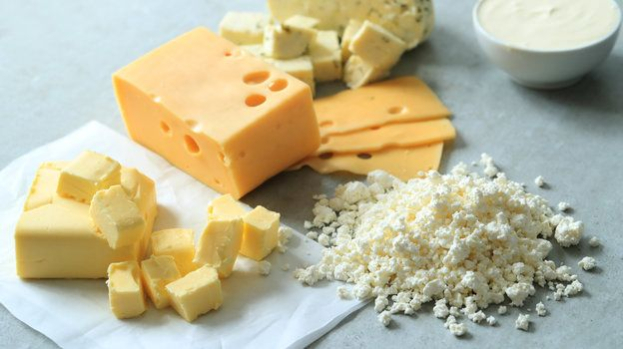
A 30g serving of cheese contains around 5–6g of saturated fat, yet research suggests it may have a milder effect on cholesterol than its fat content alone would imply. Calcium and other components in cheese may reduce the absorption of some fatty acids.
People with high cholesterol should keep an eye on how much cheese they eat, but most people do not need to eliminate it from their diet. A serving of around 30g is considered appropriate.
Full-Fat Yogurt
A 150g serving of full-fat yogurt contains around 5g of saturated fat, yet its effect on cholesterol is considered relatively neutral. Fermentation and live bacterial cultures may also have beneficial effects on gut health and metabolism.
It is best to choose plain, unsweetened yogurt and add fruit, nuts or seeds.
Whole Milk
Whole milk does not necessarily raise LDL cholesterol more than skimmed milk. A 200ml serving contains just under 5g of saturated fat, while its levels of protein, calcium, iodine and vitamin B12 are broadly comparable with lower-fat varieties.
Kefir
A 240ml serving of kefir contains around 4.5–5g of saturated fat. Fermentation may affect the absorption of fats and proteins, while live bacteria could potentially reduce cholesterol absorption. However, more research is still needed. The best choice is plain, unsweetened kefir.
What Should You Limit?
Butter. One tablespoon contains around 7.3g of saturated fat and relatively few nutrients. Butter is therefore best used in small amounts, primarily for flavor, while olive oil is generally a better choice for cooking.
Cream. Cream contains a high concentration of fat and significantly less protein and calcium than other dairy products. A little cream in a dessert or sauce is fine, but it should not become an everyday staple.
Coconut Milk. Despite being plant-based, full-fat coconut milk can contain more than 13g of saturated fat per 100ml. For regular use, it is better to choose lower-fat varieties.
Red Meat. Fatty cuts such as ribeye and pork belly can significantly increase saturated fat intake. Processed meats — including bacon, sausages and salami — are also associated with an increased risk of colorectal cancer when consumed regularly.
Lean red meat, however, remains a source of protein, iron, zinc and vitamin B12. UK guidelines recommend consuming an average of no more than 70g of red meat per day.
The scientists’ main takeaway is that a food should not automatically be considered unhealthy simply because it contains saturated fat. The overall nutritional composition of the food, how processed it is, portion size and how frequently it appears in the diet all matter.