Egypt Without the Crowds: Inside a Luxury Nile Cruise on a Pharaoh-Era-Inspired Sailing Ship
 14:40 5 October, 2026
At the mere mention of a Nile cruise, many people think of Agatha Christie’s Death on the Nile — elegantly dressed tourists, afternoon tea and desserts, and a luxurious yet slightly old-fashioned river liner. But today, there is a completely different way to experience Egypt: aboard a dahabiya, a traditional sailing vessel reminiscent of the ships of the pharaohs, according to the New York Post.
That is exactly the idea behind Egyptian company Kemetale. Its dahabiya, Kemet, launched in 2022 and combines a historic aesthetic with modern comforts.
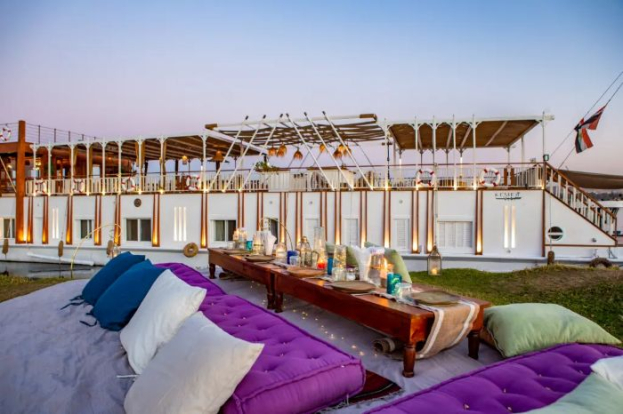
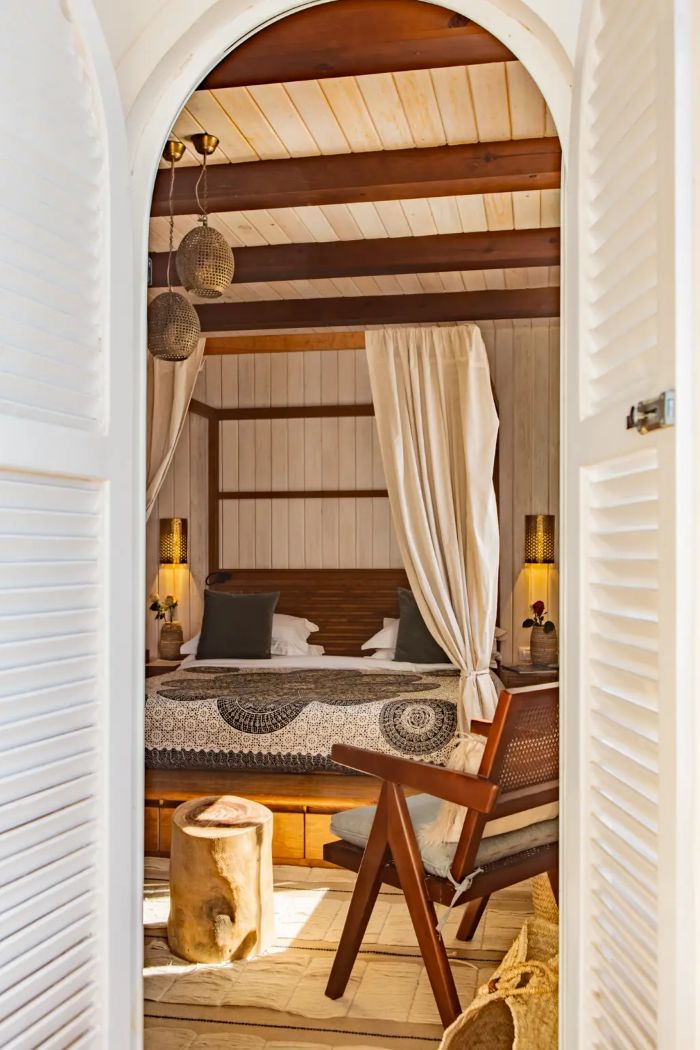
The vessel was built in the style of ancient two-masted ships. With just eight cabins accommodating a maximum of 16 guests, Kemet can reach small and remote destinations that are inaccessible to larger cruise ships.
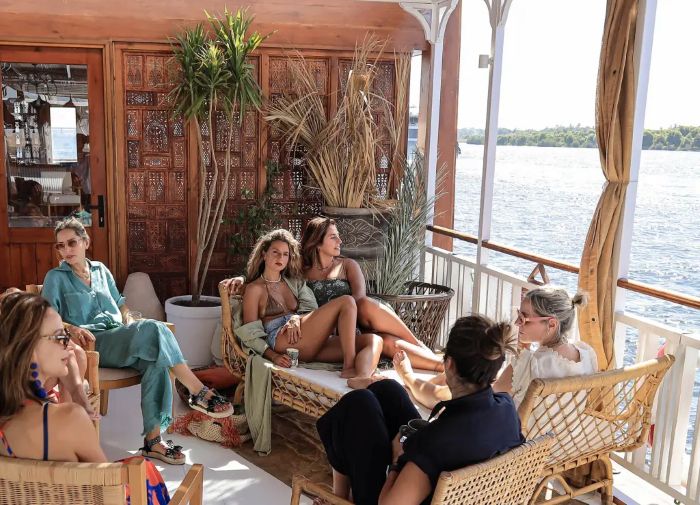
Step aboard and it feels like entering a small floating boutique hotel. The central area features a bar and dining room furnished with comfortable armchairs and cushions, while the stern has inviting loungers overlooking the river. An enclosed area is air-conditioned. The lower deck houses a library and lounge, while the upper deck offers places to relax and panoramic views of the Nile.
The interiors were created by Cairo-based design collective Eklego Design, while Kemetale co-founder Mohamed Hassan personally selected many of the details. Local artisans and Egyptian-made materials were used throughout the vessel. Even the plates are decorated with images of the Nile, while the walls feature works by local artists.
The four-day journey starts at $4,077 per person and begins in Aswan. The itinerary includes a visit to the Temple of Philae, dedicated to the goddess Isis, and the entire journey is accompanied by an Egyptologist. In addition to sharing the country’s history, the guide helps guests interact with local residents and negotiate at markets.

The route takes in some of Ancient Egypt’s most important monuments, including the Temple of Kom Ombo, dedicated to the gods Sobek and Horus; the Temple of Khnum at Esna; the sandstone quarries of Gebel el-Silsila; and, finally, Luxor.
But Kemetale’s greatest appeal is not the famous landmarks — it is the chance to experience Egypt from the inside. Thanks to its small size, the vessel can stop in places that ordinary tourists rarely reach.
At one such destination, guests travel to an island for a swim in the Nile before enjoying dinner right on the riverbank. Food is cooked over an open fire, and local residents sometimes join the travelers. In the evening, guests may be taken out on fishing boats to watch the sunset and spot birds along the river.
Food is another highlight. Chef Atef Mahmoud focuses on local ingredients and traditional recipes. The menu features Egyptian specialties including a cheese and tomato salad, layered bread made with clarified butter, thick yogurt cheese and soft cottage cheese made from buffalo milk.
Another day is spent on Battau Island. After a walk through its fruit orchards, a local family welcomes guests into their home, bakes fresh bread in a traditional oven and serves homegrown mangoes and mint tea.
In Esna, travelers visit Okra, a restaurant created by women from the local community, before passing through the lock toward Luxor. The journey culminates at the magnificent Karnak Temple.
In June 2027, Kemet will gain a sister vessel — the dahabiya Deshret. It will be built by local craftsmen using the same approach, combining a modern steel hull with traditional boatbuilding techniques. The new yacht, however, will be considerably larger, featuring a sauna, massage area, swimming pool and dedicated spaces for relaxation.
While Kemet focuses on the river and an intimate encounter with Egypt, Deshret will be designed around slow travel, relaxation and wellness.
“People come for the temples, but they leave remembering the river, the crew and the family who invited them in for tea on the island,” says Kemetale co-founder Ahmed El-Leisy.
That is the essence of Kemetale’s travel philosophy: here, the Nile is not simply a backdrop for ancient temples. It is the journey itself — slow, intimate and filled with encounters that make modern Egypt every bit as captivating as the land of the pharaohs.