Gucci and Louis Vuitton Have Gone Too Far: Shoppers Are Flocking to Zara and Uniqlo
 21:24 15 October, 2026
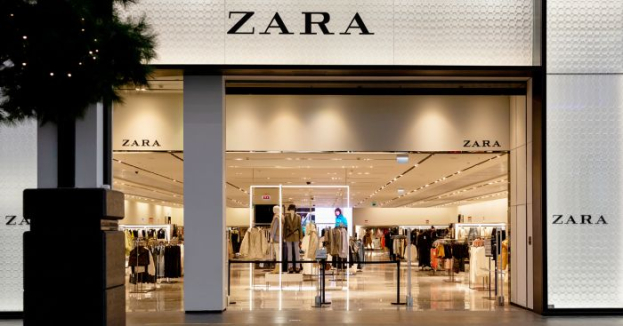
After years of price hikes, luxury brands appear to have overestimated how much consumers are willing to pay for their products. Customers who can no longer afford Louis Vuitton and Gucci are redirecting their spending toward the mid-market fashion segment, where brands such as Uniqlo and Zara are enjoying a resurgence, the Financial Times reports.
While LVMH’s sales have declined more sharply than the market expected in recent months, Uniqlo’s business has been growing rapidly. The Japanese brand’s parent company, Fast Retailing, increased revenue by nearly a fifth in the financial year ending in late August, surpassing its own recent growth rates. Even Gap, the iconic mall brand of the 1990s, has returned to the spotlight thanks to the success of its more premium GapStudio line. According to McKinsey, the mid-market is currently the fastest-growing segment of the apparel industry.
Until recently, the picture looked very different. Mid-market brands found themselves in an uncomfortable position: they lacked the prestige of luxury labels while being less affordable than mass-market retailers. The same pattern played out in mid-range hotels and restaurants. But fashion houses misjudged the limits of their customers’ purchasing power, pushing prices beyond what consumers were willing to tolerate.
According to an analysis by Bain & Company, luxury stores have lost one-fifth of their customers since 2022. These were likely to be shoppers for whom a Lady Dior bag was an expensive indulgence rather than a routine purchase.
For mid-market brands looking to strengthen their position, these consumers represent a significant opportunity. In an effort to attract them, Uniqlo launched a collaboration with JW Anderson, the luxury label founded by Jonathan Anderson, now Dior’s creative director. Mango, meanwhile, teamed up with Victoria Beckham.
At the same time, Uniqlo and Zara are raising their prices while increasing gross margins — one measure of a brand’s ability to command higher prices and maintain profitability.
Investors Are Betting on the Mid-Market
Can luxury brands win back the customers they have driven away with their own price increases? Judging by investor valuations, there is little confidence that they will.
Five years ago, Fast Retailing’s forward price-to-earnings (P/E) ratio was roughly one-third higher than LVMH’s. Today, according to S&P Capital IQ, it is more than twice that of the French luxury conglomerate.
This reflects one of the luxury industry’s biggest challenges: raising prices is far easier than cutting them. Brands that operate at the more accessible end of the luxury market, such as Burberry, may still have room to reduce prices somewhat. But for a label selling handbags for $10,000, even the slightest hint of discounts can inflict serious reputational damage.
Perhaps the last remaining argument in favor of luxury houses is quality. Superior craftsmanship, compelling design, cultural significance and brand prestige have traditionally justified the high prices of their products.
Yet the distinction between celebrated fashion houses and their more affordable competitors is becoming increasingly blurred. Shoppers who turn to Zara for designs inspired by runway collections, or appreciate Uniqlo trousers for their comfort and quality, may no longer feel compelled to return to luxury brands.
For many fashion enthusiasts, what once symbolized exclusivity and status now means just one thing: an exorbitant price tag.