Is the Birkin Era Coming to an End? Hermès’ Iconic Bag Is Losing Its Appeal as Resale Prices Plunge
 16:27 22 October, 2026
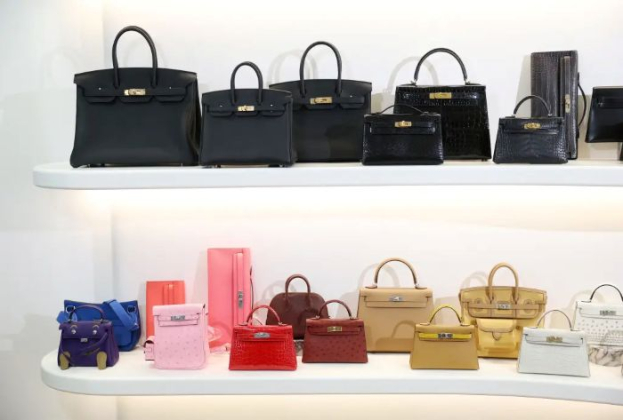
Hermès Birkin bags once generated enormous profits for resellers, with the most coveted models fetching more than twice their retail price. But the market is changing: secondhand prices are falling, and the artificial scarcity strategy that helped fuel the French luxury house’s success for decades is facing growing scrutiny, the New York Post reports.
London-based entrepreneur Tsai Baochun, who has resold the iconic bags through Vestiaire Collective and social media since 2020, is no longer keen to stockpile Birkins. With prices falling, he fears losing money. “I don’t want to operate at a loss,” he said.
According to the entrepreneur, the resale price of brand-new, unused Birkin bags has fallen by more than $6,000 from its 2022 peak.
Luxury No Longer Guarantees a Profit
Named after British-French actress Jane Birkin, the Birkin bag has become one of Hermès’ defining symbols and a major contributor to the French fashion house’s financial success.
Between 2015 and 2025, Hermès’ annual revenue tripled to €16 billion (approximately $18 billion), while the company’s market value rose significantly. Last year, the brand posted an operating margin of 41%, outperforming several rivals, including Chanel, Gucci and LVMH’s fashion and leather goods division, which includes Louis Vuitton and Dior.
At the heart of this business model was exclusivity: demand for the bags far exceeded supply, and purchasing one directly from a boutique was notoriously difficult.
According to six resellers who source bags from Hermès customers, obtaining a Birkin typically involves making prior purchases from the brand, such as silk scarves, clothing and shoes. The exact requirements vary by country and boutique. Two people interviewed by Reuters estimated that customers typically spend $10,000 to $20,000 before being offered a Birkin or another highly sought-after style, the Kelly.
Hermès says it takes around 15 hours to make a single Birkin. The company does not disclose its exact production volumes or the rules governing sales of its most coveted models.
But while securing a dream bag has become easier, making money by reselling one has become increasingly difficult.
Antoinette Hunter, who founded the London-based secondhand luxury handbag boutique Lilac Blue in 2007, recalls that finding a Birkin was a major challenge in the early years of her business. She managed to acquire one of her first bags from a member of the Japanese royal family.
Today, she says, the challenge is no longer finding a bag but selling it at a profit.
The resale price of a new black Birkin 25 — one of the brand’s most sought-after models — has dropped by around $5,300 since 2022, to approximately $32,000. Tsai Baochun is offering the same bag for about $26,700.
By comparison, the model retails for $12,500 at Hermès boutiques in the UK.
The price decline could also affect customers’ decisions about whether to buy directly from the brand. If Hermès continues raising retail prices while secondhand values fall, the gap between the two could narrow, making the bags less attractive as investments.
A Growing Supply Is Undermining the Myth of Exclusivity
According to Bernstein analysts, Birkin 25 bags sold on the resale market for an average of 1.7 times their retail price in the third quarter of this year. At the market’s 2022 peak, the multiple reached 2.6.
For more than a decade, limited supply and strong demand allowed owners to make substantial profits by reselling their bags. The arrangement benefited not only intermediaries but Hermès itself: the prospect of making money on a bag in the future encouraged customers to buy more of the brand’s products.
“It was a win-win situation,” said Sarah Davis, founder of California-based Fashionphile, a platform specializing in the resale of luxury goods.
Over the past 15 years, the number of Birkin listings on Fashionphile has increased 32-fold, she said. The site currently features 212 such bags.
Meanwhile, Hermès has gradually expanded its artisanal production capacity, opening an average of one workshop a year. The growth of online marketplaces such as Vestiaire Collective and The RealReal, along with vintage boutiques and social media, has also made reselling luxury goods considerably easier.
As a result, the number of bags available on the secondhand market is growing, making it increasingly difficult to maintain the scarcity that once defined the Birkin.
The market shift is already being reflected in the company’s financial performance. Since the beginning of the year, Hermès shares have lost nearly 40% of their value, making the luxury house one of the weakest performers among publicly traded companies in the sector.
However, not everyone in the resale market believes the Birkin is losing ground. Sarah Davis maintains that prices on Fashionphile have remained stable this year and have even edged up slightly.