Hermès Steps Up Boutique Security After Riots in France
 11:38 23 October, 2026
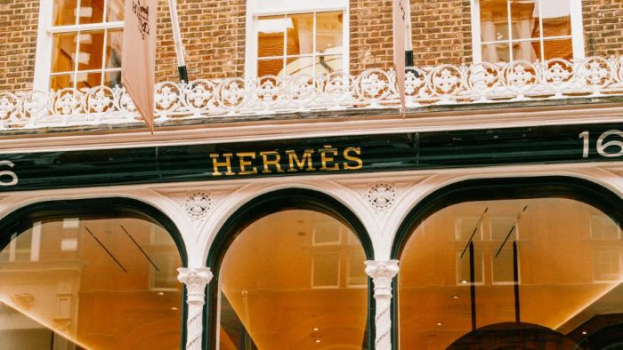
French luxury house Hermès has tightened security at its stores following widespread protests in France, during which one of the brand’s boutiques in Marseille was looted. The company is also facing a new challenge: demand for its products is slowing, and sales of clothing and accessories have declined for the first time in several years, Reuters reports.
Speaking during the presentation of Hermès’ third-quarter financial results, Chief Financial Officer Éric du Halgouët said it was too early to assess the impact of the unrest on the business and tourist traffic. However, the company plans to strengthen security at its boutiques across France.
According to the executive, the looted store in Marseille will remain closed for the time being. Hermès has yet to determine how significantly the incident could affect sales.
Hermès Sales Growth Slows
Amid the unrest, the luxury brand is also facing deteriorating financial performance. In the third quarter of 2026, Hermès’ revenue rose 4.3% at constant exchange rates to €4.1 billion (approximately $4.6 billion). The result fell short of analysts’ expectations, which had called for growth of 5.2%.
This marks the company’s weakest quarterly sales growth since early 2020, when the coronavirus pandemic forced it to close boutiques around the world.
The situation is particularly challenging in China, Hermès’ largest single market. According to du Halgouët, demand there remains extremely weak. Nevertheless, the company remains confident in the Chinese market’s long-term prospects and plans to continue investing in the country.
Sales of leather goods, including the iconic Birkin and Kelly bags, rose 10.8%. However, revenue from the clothing and accessories division, which accounts for more than a quarter of Hermès’ quarterly sales, fell 2% year over year.
The company attributed the decline primarily to weaker demand in China for more widely sold accessories, including belts, gloves and hair clips. Sales in this category continued to grow in other regions. Clothing sales also increased during the quarter, despite the weakness of the Chinese market.
Are Birkin Bags Losing Their Aura of Exclusivity?
Another source of pressure on the brand is a shift in the resale market. As Reuters previously reported, Birkin bags have been appearing more frequently on the secondhand market. This could weaken their appeal, which is partly built on rarity and limited availability.
For years, the scarcity of Hermès bags has sustained strong buyer interest and reinforced the brand’s reputation as one of the world’s most exclusive luxury houses. Investors are now increasingly questioning whether the company can maintain its previous pace of growth.
Du Halgouët, however, said the Birkin’s appeal remains unchanged. The company also has no plans to significantly ramp up production. Overall output is expected to grow by approximately 6% annually over the coming years.
Hermès Shares Slide
The weaker quarterly results have heightened investor concerns about the outlook for the luxury sector. LVMH, the world’s largest luxury goods group, recently reported disappointing sales figures as well.
Following the earnings release, Hermès shares fell 5% in early trading. Their value has declined 36% since the beginning of 2026.
Analysts note that Hermès has long commanded an exceptionally high market valuation, underpinned by steady growth and its successful strategy of restricting supply. Now that the company’s expansion is slowing, investors are considering the possibility that its share valuation could move closer to the industry average.
Despite these challenges, Hermès remains optimistic about the United States. According to du Halgouët, new stores outside the country’s largest coastal cities are also contributing to growth, with positive momentum across all regions and major product categories.