The Pharaohs Forgot to Sign the Paperwork: Scottish Museum Removes Mummies Over Lack of Consent
 16:33 23 October, 2026
A scandal worthy of a museum exhibit of its own has erupted in Scotland: ancient Egyptian remains have been removed from a Glasgow museum because people who died thousands of years ago never gave permission for their bodies to be displayed in public. Visitors are now greeted by explanatory signs instead of mummies — apparently the safest exhibit in an era when even pharaohs have suddenly been found to have personal-boundary issues.
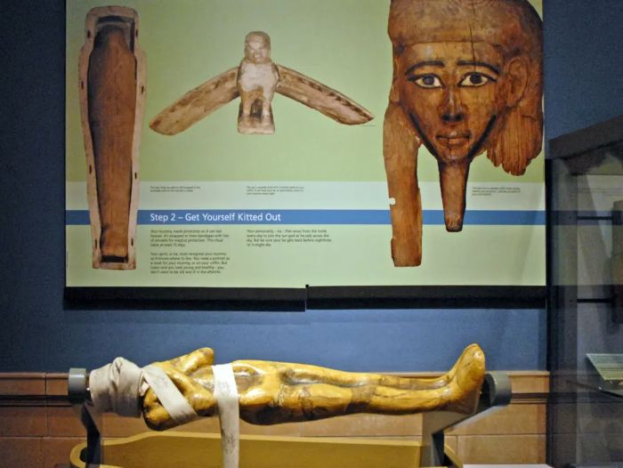
A mummified male head, a foot, a right hand discovered in the Valley of the Kings in Luxor, and the remains of a priest named Nekht have disappeared from the Kelvingrove Art Gallery and Museum. All had been part of its Ancient Egypt exhibition for years. But the museum has now decided that if a person never signed a release authorizing the display of their remains, the more respectful option is to keep them out of sight — even if they died several thousand years ago.
Glasgow Life, the organization that manages the city's cultural institutions, said the decision reflects modern museum practice. In June 2026, the International Council of Museums updated its ethical code, calling on institutions to respect the dignity of human remains. A proposed new policy for Glasgow Life Museums stipulates that such remains may be displayed only when there is documented evidence of consent from the deceased or, in certain cases, their descendants.
In other words, an ancient Egyptian priest who lived long before modern museums existed would somehow have had to anticipate a future exhibition, study the rules governing the display of human remains, and leave behind a notarized authorization. He didn't? Well, his museum career is now over.
The decision prompted a predictable backlash, with critics accusing the museum of excessive political correctness and trying to rewrite history to fit modern sensibilities. One user on X asked a seemingly reasonable question: who has benefited from removing the mummies? Others complained that the museum world increasingly resembles an ideological committee, where every exhibit must pass a test to ensure it meets current moral standards.
Chris McGovern, chairman of the Campaign for Real Education and a former adviser in the British prime minister's policy unit, was even more blunt. He called the decision “pointless political correctness” and said it demonstrated “the triumph of educational stupidity and ignorance.”
“You cannot get permission from people who died thousands of years ago,” McGovern pointed out. In his view, it is particularly unfortunate that children will lose out, as they visit museums to see history with their own eyes rather than read signs explaining why they can no longer see it. He urged Scottish institutions to follow the example of major museums in Egypt, where mummies remain on public display while being treated with respect.
Visitor Johnny McFarlane was also disappointed. He took his daughter to Kelvingrove after she became fascinated by Ancient Egypt through a book about mummies. But instead of finding the exhibit she had been looking forward to, the family found a notice announcing its removal. What was supposed to be an educational outing apparently turned into a lesson in contemporary museum ethics — although that was probably not what the child had asked for.
Murdo Fraser, the Scottish Conservatives' culture spokesman, also criticized the decision. He said society had become so preoccupied with modern ideas about what is acceptable that it had lost all sense of perspective.
“People visit museums to learn about ancient civilizations, not to watch history being hidden away because it fails to meet today's ideological standards,” he said.
But the museum review does not end there. Glasgow Life plans to remove other human remains as well, not only from Kelvingrove but also from the St Mungo Museum of Religious Life and Art.
Visitors may therefore have to get used to a new museum concept: ancient artifacts stay on display, while the people whose remains were exhibited alongside them may be sent backstage. The important thing is that nobody feels uncomfortable — even if a few thousand years of history have to be hidden away to make that happen.