The Hairstyle That Could Make You Go Bald: Experts Warn of the Hidden Dangers of Bella Hadid’s Signature Look
 15:52 4 November, 2026
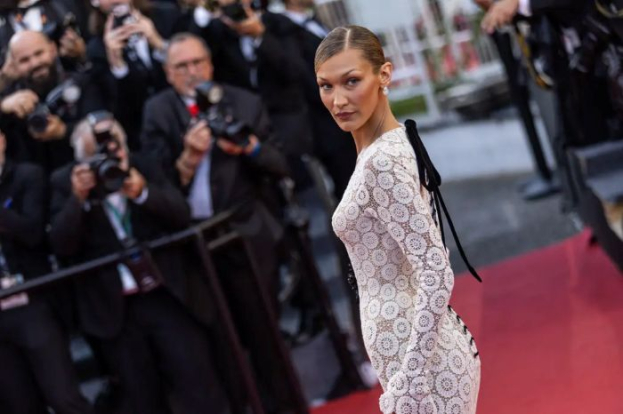
The sleek hairstyle favored by Gen Z, with hair tightly pulled back from the face, can lead to hair loss and a receding hairline. Experts warn that the pursuit of a flawless, Bella Hadid-inspired look could come at a serious cost to hair health.
Sleek buns and tight ponytails became one of the biggest beauty trends in the early 2020s. Bella Hadid and other fashion influencers regularly sport the look, while fans of the “clean girl” aesthetic love it for its minimalist appeal, versatility and face-lifting effect.
But the popular style has a downside. Hair health specialists warn that constant tension can damage hair follicles and gradually cause thinning along the hairline.
Celebrity hairstylist, certified trichologist and haircare brand founder Tina Mui told the New York Post that she understands the appeal of the style, which creates both a polished look and the illusion of a facelift. However, excessive tension can be particularly harmful to the most vulnerable areas of the scalp.
“The main risk with tightly pulled-back hairstyles is traction alopecia. This is hair loss caused by constant tension on the hair follicles, most commonly around the forehead and temples,” she explained.
According to Mui, hair loss does not happen overnight. The problem usually develops gradually when people wear excessively tight hairstyles regularly and for extended periods.
The expert stressed that such styles are not always the main cause of hair loss. In recent years, she has seen a growing number of women of different ages experiencing thinning hair, with a wide range of possible causes.
“More often, I see hair thinning linked to hormonal imbalances and nutritional deficiencies. Modern life is becoming increasingly stressful. Severe stress, illness, weight loss associated with GLP-1 medications, changes in medication and even chronic sleep deprivation can disrupt the hair growth cycle and trigger shedding,” she said.
Shayna Rainford, a certified medical practitioner and founder of her own haircare brand, also warned that women often notice the problem only once the thinning has become quite pronounced.
“They may feel as though their hair has suddenly fallen out, when in reality the damage has been building up over a long period. By then, it may already have affected their confidence and self-esteem. Hair is deeply personal, so noticeable thinning around the edges of the hairline or a change in its shape can be emotionally devastating,” she explained.
Particularly damaging are tight hairstyles that, over time, can cause breakage, loss of density around the temples and a gradually receding hairline.
Rainford’s main advice is to reduce tension. She recommends avoiding overly tight ponytails and buns, alternating them with looser styles and brushing hair gently.
“If a hairstyle causes pain, burning or irritation of the scalp, it should be taken down immediately,” the expert emphasized.
There is no need to give up the trendy look for good, however. Hair that has thinned due to repeated tension may recover with proper care of both the hair and scalp. But if hair loss continues despite changes in styling habits, it is important to consult a board-certified dermatologist to identify the cause and, if necessary, prescribe treatment.
The key rule to remember, the expert says, is simple: a sleek hairstyle does not have to be tight.