Royal Secrets and $430,000 Pearls: The Story of a Necklace That Concealed a Family Mystery
 22:21 13 November, 2026
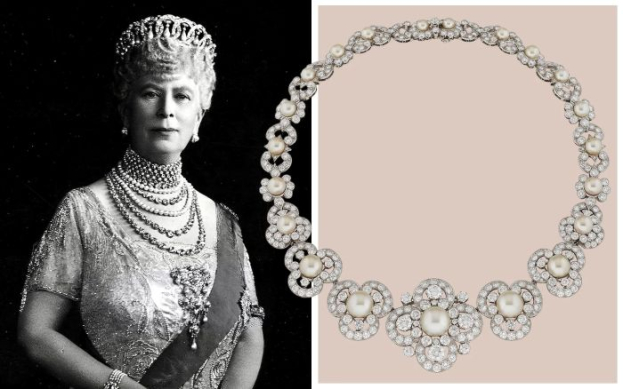
A pearl and diamond necklace modelled on a famous piece of jewellery owned by Queen Victoria has sold at Phillips in Geneva for £327,000 (approximately $430,000). Nearly a century ago, it was commissioned by Queen Mary, the wife of King George V, who was renowned for her passion for precious jewels. But the story behind the necklace involves more than royal extravagance: it also reveals a courtly feud and a mystery that remains unsolved to this day, The Telegraph reports.
Queen Mary's love of jewellery was legendary. In 1938, the diary of Chips Channon described one of her public appearances: the Queen was wearing five diamond necklaces, and her entire ensemble was practically dripping with precious stones. One woman in attendance reportedly remarked: “She has taken all the best.”
Mary did not simply collect jewellery; she also meticulously monitored the royal collection and her own treasures, documenting their origins and every alteration. As writer Justine Picardie notes, the Queen was not merely a collector but a devoted guardian of the royal jewels.
The necklace that sparked a feud among ladies of the court
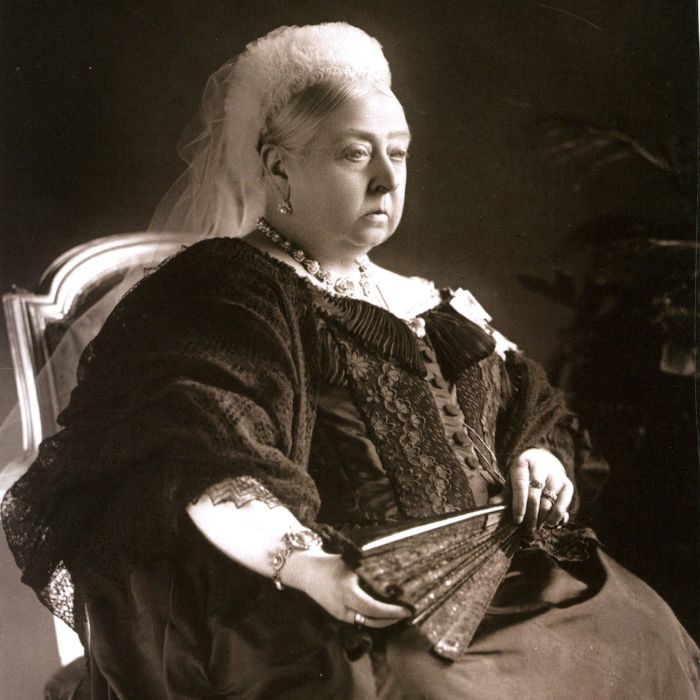
The story of the original piece began in 1887, when a group of British society women organised a fundraising campaign to mark Queen Victoria's Golden Jubilee. By March of the following year, the Daughters of the Empire had raised more than £84,000. The money was intended to fund a memorial to Prince Albert, but donations far exceeded the amount needed.
Victoria decided to direct the remaining £70,000 to a charitable fund supporting nurses. However, a dispute broke out among the organisers: some wanted to present the Queen with an additional personal gift, while others insisted that all the money should go to charity.
Eventually, the committee proposed a diamond badge commemorating the donations. Victoria firmly rejected the idea. In her diary, she expressed her displeasure at what she considered unfair treatment, declaring that if she received such a gift, she would immediately exchange it for another piece of jewellery.
In the end, £5,000 was allocated for the creation of a necklace, which was commissioned from the jeweller Carrington & Co. Victoria personally approved the design.
The piece featured an intricate diamond-and-natural-pearl quatrefoil design topped with a crown. The pearls symbolised tears shed for Prince Albert, who died in 1861. Following his death, Victoria wore black mourning clothes for another four decades, often pairing them with white lace, pearls and diamonds.
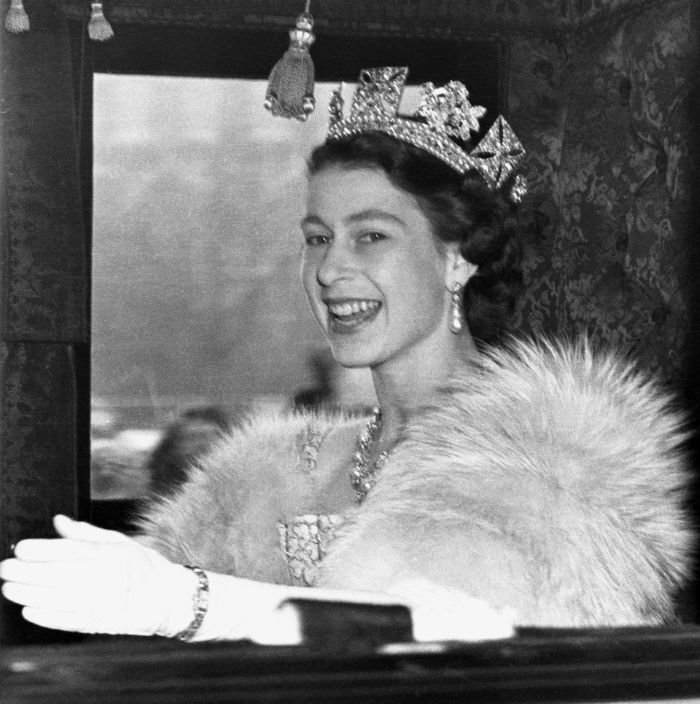
Despite the initial dispute, the necklace became so dear to the Queen that she declared it a hereditary jewel of the Crown. Later, it also became a favourite of her great-great-granddaughter, Queen Elizabeth II. In 1952, Elizabeth wore it for her first State Opening of Parliament after ascending to the throne.
Why did Queen Mary commission a replica?
The most intriguing detail of the story is that Queen Mary was never photographed wearing Victoria's original necklace. Yet in 1928, she commissioned a copy of it. The reasons behind her decision remain a mystery.
For the replica, Mary turned to Hennell, one of London's most fashionable jewellery houses. The copy differed from the original in its materials: cultured pearls were used instead of natural ones, while platinum replaced the combination of silver and gold. The crown that topped the original design was also omitted.
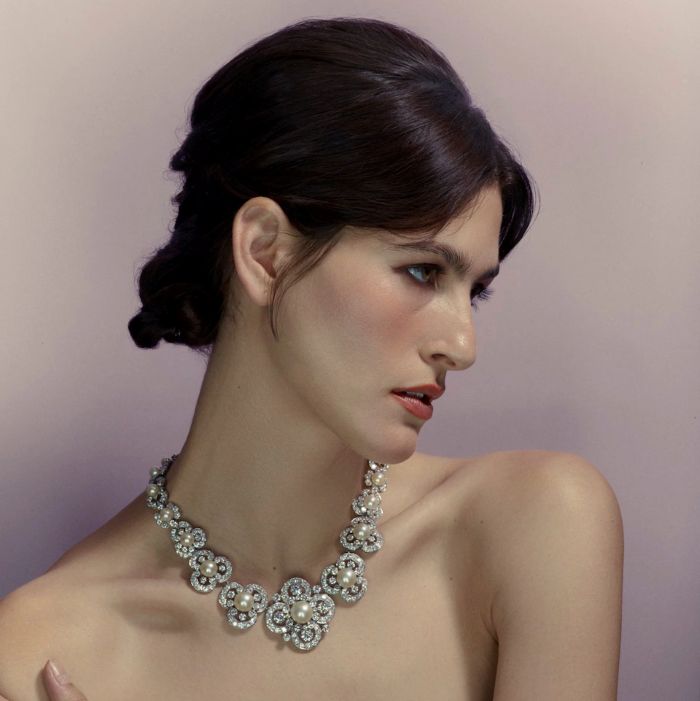
The necklace had initially been estimated at £110,000–£165,000, but its final sale price exceeded £327,000 — almost twice the upper end of the estimate.
It was not the only replica of the famous necklace. In 1963, Princess Alexandra received her own version as a wedding gift from her husband, Angus Ogilvy. That piece also lacked the crown, and its pearl elements could be replaced with turquoise cabochons.
Queen Mary commissioned copies of other historic jewels as well, including a fringe tiara created in 1919 and inspired by an 18th-century design, and the famous Cambridge Lover's Knot tiara, made in 1914 after a piece of jewellery that had belonged to her grandmother.
Royal jewels even during wartime air raids
Mary's influence extended far beyond the royal jewellery collection. During the First World War, she supported the court's efforts to emphasise British identity, insisting that royal women and members of the household wear clothing made from British fabrics and favour local designers. According to fashion historians, Mary helped establish the style that continues to define the British royal family to this day.
During the Second World War, the Queen, then in her seventies, left London at the urging of her son, King George VI, and moved to Badminton House in Gloucestershire. Her niece, the Duchess of Beaufort, recalled that Mary quickly took charge of the household and arrived with more than 50 servants.
One night, during an air raid, the Duchess found herself in the shelter wearing an old, dirty dressing gown. Her formidable aunt, by contrast, was impeccably dressed, wearing pearls and doing a crossword puzzle.
Even during the bombings, Mary never lost sight of her jewellery. She insisted that members of the household take the precious pieces with them during evacuations so that the treasures could be saved if the residence was hit.
After the war, the Queen rewarded her niece for six years of hospitality by giving her a replica of Victoria's necklace. The Duchess had no children of her own and sold the piece in 1986, a year before her death.
Since then, the necklace has passed through the hands of private collectors before appearing at auction in Geneva. Now, the jewel has entered a new chapter — but its greatest mystery remains unresolved: why did Queen Mary want a replica of a necklace she was never seen wearing?