She Slept with More Than 200 Men and Smoked Constantly: The Real-Life Sally Bowles Behind ‘Cabaret’
 16:18 16 November, 2026
Behind Sally Bowles, the eccentric cabaret singer immortalised by Liza Minnelli in the film Cabaret, was a real woman named Jean Ross. A communist, journalist, chain-smoker and subject of scandalous stories, she led a life that could easily have inspired a film of its own, the Daily Mail reports.
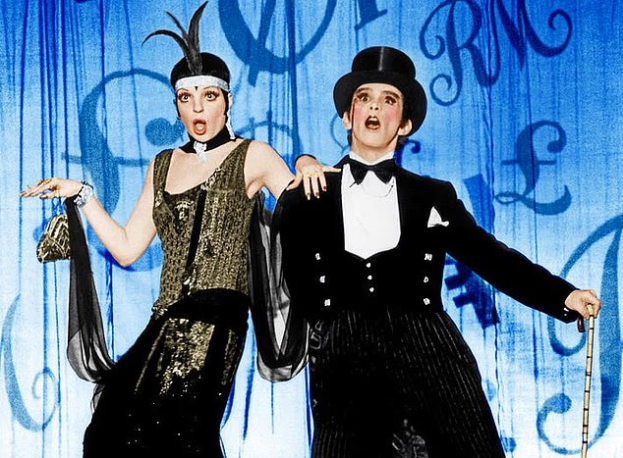
In Bob Fosse’s 1972 film, Minnelli played a carefree performer at a Berlin cabaret who indulges in drinking, singing and romantic adventures against the backdrop of the growing Nazi threat. The film won eight Academy Awards, and Sally became one of the most recognisable characters in musical cinema.
But the real woman who inspired her was far more complex than her on-screen counterpart.
The Woman Who Captivated Berlin
In 1929, British writer Christopher Isherwood arrived in Germany, drawn by the atmosphere of the Weimar Republic — its bohemian lifestyle, experimental art, nightclubs and sexual freedom. In Berlin, he shared a flat with 19-year-old Jean Ross, who would soon become the inspiration for Sally Bowles.
Ross was born in Egypt in 1911 and educated in Switzerland. She came to Germany hoping to find work as a film-industry translator. She had dark eyes and striking looks, but, according to those who knew her, her singing abilities left much to be desired. Jean also had little interest in conforming to domestic conventions: she did not make her bed, talked incessantly and chain-smoked.
It was this combination of carefree attitude, striking appearance and defiant disregard for convention that made such a lasting impression on those around her.
Isherwood described her as a young woman who dreamed of performing in cabaret, despite having little apparent talent for it. She sang badly and without expression, her arms hanging limply at her sides, yet her performances still attracted attention thanks to her looks and conspicuous indifference to what others thought.
Rumour had it that during her time in Berlin, Ross had become the lover of more than 200 men. Poet Stephen Spender, who knew her personally, once remarked wryly that he found Jean utterly repulsive.
Love Affairs, Music and Communism
After her Berlin years, Ross returned to London. Her life remained just as turbulent. She had a relationship with composer Eric Maschwitz, who is said to have written the famous song These Foolish Things (Remind Me of You) inspired by Jean. By 1957, the composition had reportedly earned him around £1.2 million in royalties.
Ross later had an affair with journalist Claud Cockburn. She joined the Communist Party, worked as a correspondent during the Spanish Civil War and met Ernest Hemingway.
When Cabaret became a worldwide success, journalists tracked Jean down and asked whether she really was the Sally Bowles who had inspired the character. Her response was brief and unequivocal: “Yes, now leave me alone.”
Ross died of cervical cancer in 1973.
More Than Sally Bowles: The Real People Behind ‘Cabaret’
Brian Fairbanks’s book Life Is a Cabaret, which explores the people who inspired Isherwood’s famous characters, also introduces readers to other extraordinary figures from Berlin’s bohemian scene.
One of them was Gerald Hamilton, the inspiration for Arthur Norris in Isherwood’s novel Mr Norris Changes Trains. His life was every bit as eccentric as his literary counterpart’s. He worked at a Chinese bank, squandered his family inheritance, dabbled in black magic and wore a turban decorated with a red bicycle reflector.
Hamilton dealt in weapons for Indian rebels, cheated opponents at cards and roulette, and during the Second World War spied on both the British and the Germans. After the war, he associated with Lord Alfred Douglas and maintained links with Guy Burgess, one of Britain’s most notorious defectors. He died in 1970, virtually penniless.
Fairbanks’s book restores the historical context to a story that popular culture has often portrayed as an endless celebration of Berlin’s bohemian life. Behind the cabaret performances, romantic escapades and nocturnal revelry, a tragedy was unfolding: the Nazis were gaining power, persecuting Jews, seizing their businesses and stripping them of their civil rights. The freedom and carefree spirit of the Weimar Republic were rapidly disappearing.
The story of the real Sally Bowles is a reminder that behind the flamboyant screen character was not simply an eccentric singer, but a woman with her own political convictions, a journalistic career and a complicated life.