Luxury in the Trash: Why Designers Are Selling Ripped Jeans and Dirty Shoes for Thousands of Dollars
 20:21 27 November, 2026
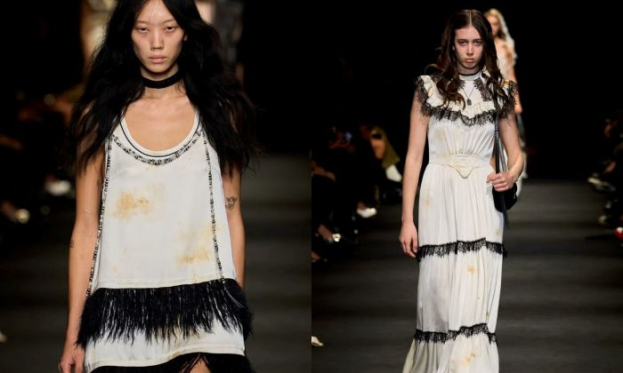
In 2026, the world of high fashion is undergoing an unexpected shift. Instead of immaculate silhouettes and perfectly polished aesthetics, designers are offering clothes marked by scuffs, stains, tears and signs of wear. What was once considered a defect or a sign of carelessness is now being celebrated as a style statement — and even a luxury in its own right, Elle reports.
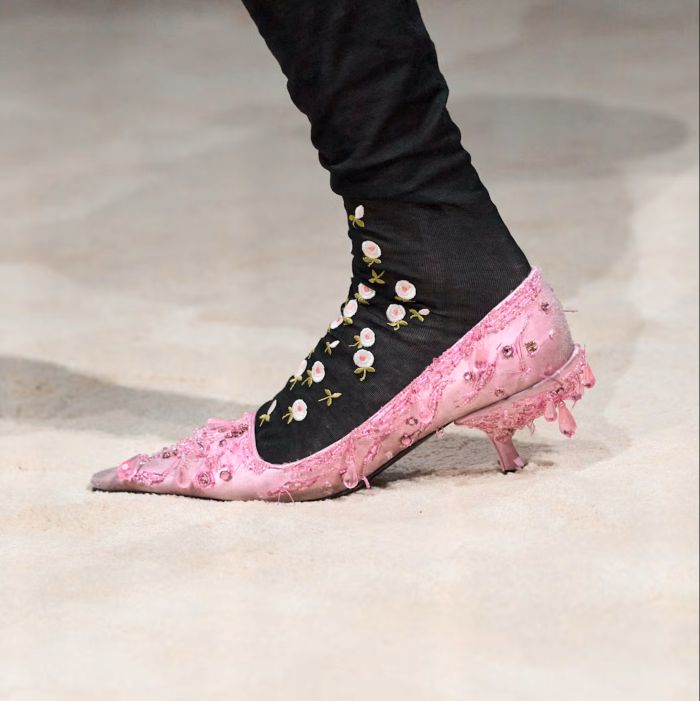
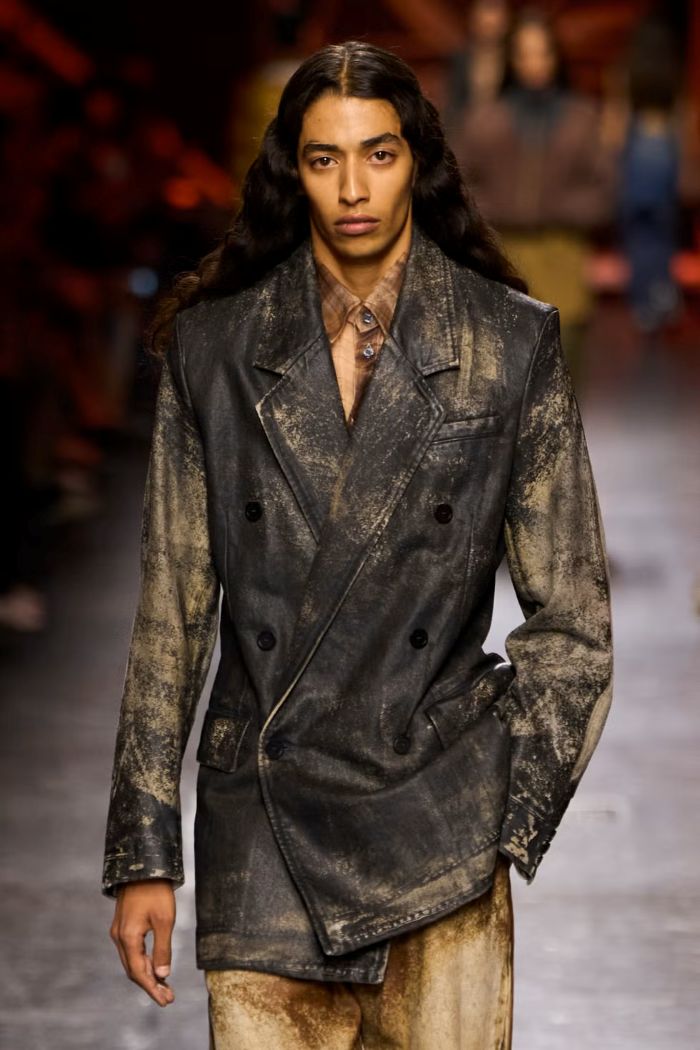
At the Fall/Winter 2026 shows, Prada presented crystal-embellished heels with perfectly pointed toes that looked as though they had just stepped out of a muddy rain puddle on the streets of New York. In its menswear collections, the brand's designers also deliberately incorporated stains, worn fabrics and creases, turning imperfection into an essential part of the aesthetic.
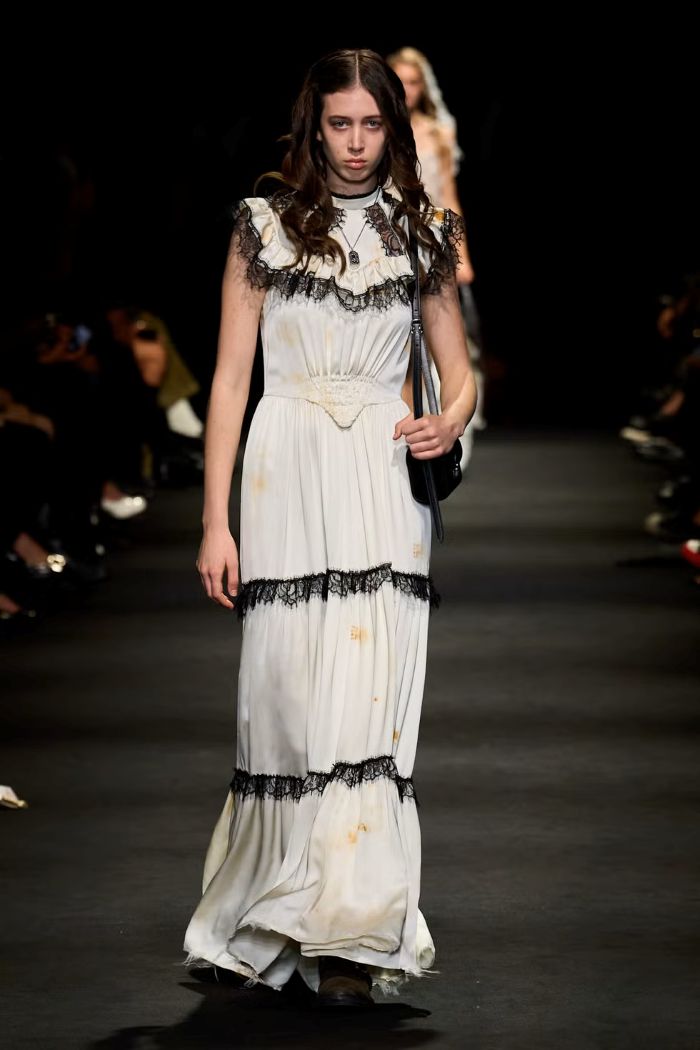
Miu Miu and Coach experimented with distressed leather, while the Spring/Summer 2027 collections from Louis Vuitton, Gucci, Valentino, Diesel and JW Anderson embraced garments designed to look well worn: damaged, patched, stained and artificially aged.
After several seasons of “quiet luxury,” defined by minimalism, restraint and flawless finishing, fashion's renewed fascination with deliberate dishevelment feels particularly fresh.

With 2008-inspired trends making a comeback, it is hardly surprising that ripped jeans are also returning to the spotlight. Ann Demeulemeester, Balenciaga and Diesel have already showcased similar styles on the Spring/Summer 2027 runways. Ann Demeulemeester creative director Stefano Gallici said he drew inspiration from a trip through the California desert. In the show's notes, he described the aesthetic of deliberate wear and tear as “ceremonial costumes, worn to the point of exhaustion — or eternity.”
Fashion Is Tired of Perfection
But why are designers so fascinated by clothes that look as though they have seen better days?
Valerie Steele, director and chief curator of the Museum at the Fashion Institute of Technology in New York, believes the current moment is perfectly suited to a revival of imperfection.
“There's a kind of crisis in fashion right now. It has come to feel too disconnected from real life and ordinary people,” she told Elle.
One telling example, she says, is the sharp rise in luxury prices. Some brands have pushed their prices so high that even fashion houses themselves are being forced to reconsider their pricing strategies. Gucci, for instance, has announced plans to cut prices on selected products by as much as 30%.
At the same time, interest in what ordinary people wear — and in the very idea of authenticity — is growing. Steele, however, argues that in a world where practically everything has become a commodity, authenticity remains more of an appealing illusion than an achievable reality.
Similar trends have appeared throughout fashion history. Steele points to the ripped jeans of the Y2K era, the grunge aesthetic of the 1990s and the earlier punk movement. Deliberately distressed clothing has also been embraced by influential designers such as Vivienne Westwood, Rei Kawakubo and Alber Elbaz. These experiments have often coincided with periods of economic and political instability, taking on particular relevance and sometimes an ironic meaning.
“Fashion is supposed to be new and challenge what is familiar. So if scuffed shoes make an outfit more fashionable, why not?” Steele says.
Luxury That Looks Worn Out
Deliberately disheveled clothing, however, is hardly a 21st-century invention. According to Steele, this aesthetic dates back several centuries.
In the second half of the 19th century, it was embraced by some male dandies. A similar attitude toward fashion was also common among wealthy New Englanders. Affluent Bostonians would travel to Paris to buy haute couture outfits but would not necessarily wear them straight away. Instead, the clothes might be stored in a trunk for an entire year so that, by the time they made their first appearance, they no longer looked brand-new.
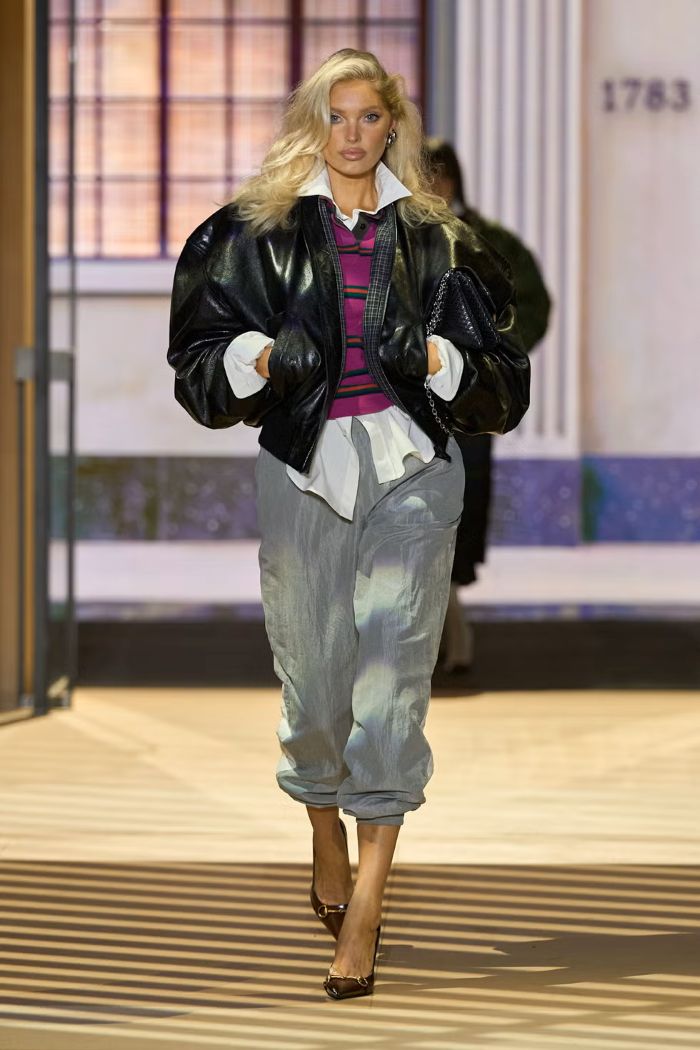
Behind this practice was the belief that conspicuous newness could appear tasteless and suggest that someone was overly obsessed with fashion. True luxury, by contrast, was not supposed to shout that an item had just been purchased.
Today, that principle is making a comeback. And artificially distressed pieces are not being bought exclusively by runway fashion enthusiasts. Just look at Distressed Fest, a twice-yearly event held in different US cities and dedicated to vintage clothing featuring pronounced fading, rips and signs of wear. Such pieces command high prices despite their visibly damaged appearance.
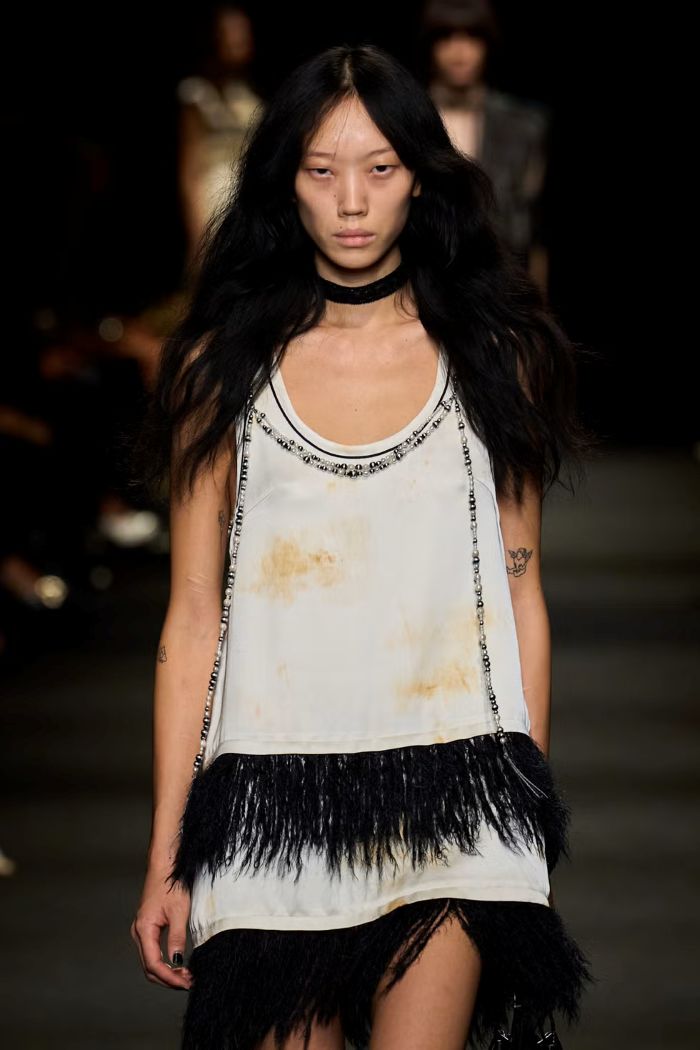
The result is a paradox: stains, holes, scuffs and signs of long use — details people once tried to conceal or repair — have become part of an expensive wardrobe. And, ironically, one of the most prominent status symbols in contemporary fashion is clothing that looks as though its owner has already lived through quite a lot.