



NEWS.am STYLE

NEWS.am STYLE

NEWS.am STYLE

NEWS.am STYLE
NEWS.am STYLE

NEWS.am STYLE

NEWS.am STYLE

NEWS.am STYLE

The 23rd "Golden Apricot" Yerevan International Film Festival has kicked off

NEWS.am STYLE

NEWS.am STYLE

NEWS.am STYLE

NEWS.am STYLE

Nikos Vertis to perform in Armenia for the 3rd time at the invitation of “ACVA BUILDINGS”

NEWS.am STYLE

NEWS.am STYLE

NEWS.am STYLE

NEWS.am STYLE


Fashion and critique in the social media era: How Lyas turns runway shows into mass events
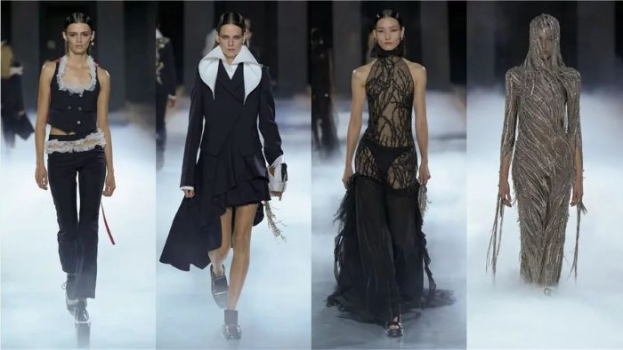
As a new generation of designers takes the reins, the role of the fashion critic is rapidly evolving. What was once the domain of a select few editors in the front row has now become a spectator sport: millions of people offering instant judgments online. This shift has sparked debates about free speech in an industry known for strict image control, writes WWD.
In Paris, runway viewings organized by self-styled “fashion agitator” Lyas drew over 13,000 attendees to the sustainable fashion hub La Caserne. Following similar events in London and Milan, the eight-day La Watchparty festival streamed shows from Dior, Chanel, Saint Laurent, Courrèges, and Balenciaga on giant laptop screens. Participants scanned QR codes to rate collections, and some even took the stage to share their opinions.
“Today, anyone can be a commentator, critic, or even a journalist—and that’s exactly what I became,” said Lyas, born Elias Medini, who is part of a new wave of social commentators offering candid reviews of fashion weeks. This season saw 15 debuting designers, making Spring 2026 one of the most anticipated in recent years.
According to Karla Otto, Lefty, and CTZAR, partner agencies of The Independents, the season generated $881 million in media value, up 5% from the previous year. Social commentators alone accounted for $9.7 million, either through invites to shows or by creating content around them. Notable voices include Luke Meagher (Instagram: Hautelemode), Australian stylist Kim Russell (The Kimbino), and Hanan Besovic (Ideservecouture).
“Their appeal lies in unique, unfiltered opinions. In a world overloaded with information, audiences crave individuality, which these commentators provide,” says Lissy von Schwarzkopf, global director at Karla Otto.
The “Trolling Fest”
For designers, this democratization of fashion critique can be brutal. Days before his highly anticipated debut of the Dior womenswear collection, Jonathan Anderson described it as entering a gladiatorial arena:
“Never have I felt such pressure. It used to be fashionable to love fashion; now it’s fashionable to destroy it. Everyone has an opinion. It’s a lot of noise.”
Alessandro Michele, in his first year at Valentino, spoke of haters and rumors surrounding his departure: “People love to gossip. Fashion is pop culture now, but the level of discourse has dropped.”
Edward Buchanan, Bottega Veneta’s first art director in the 1990s, urged commentators to remain intelligent:
“Otherwise, it’s just trolling from the comfort of home. Many comments attack the person, not the work. Critique should be informed; context matters, or it’s just words.”
A Question for Critics
Berlin writer and influencer Brenda Weischer (Brendahashtag) believes traditional media bears some responsibility:
“A TikTok review is more engaging than a Vogue Runway review. Media ignored commentators, hoping they’d go away,” she said.
Professor Benjamin Simmenauer of the Institut Français de la Mode in Paris added that online critics are responding to a system they don’t trust:
“Official reviews are often soft and subjective, so people fill that gap themselves. Fashion has become entertainment, and shows are now perceived as visual experiences rather than just products.”
Follow NEWS.am STYLE on Facebook, Twitter and Instagram

- Zuhair Murad Softens His Signature Glamour With Mediterranean Mood, Fringe and a Marilyn Monroe-Inspired Dress Zuhair Murad took a step away from his signature evening glamour with a lighter, more relaxed ready-to-wear collection for spring...
- Louis Vuitton Defies Gravity: Nicolas Ghesquière Unveils a Weightless Collection at the Louvre One of the most striking set designs of the fashion month framed a story about moving through a vast metropolis — a metaphor for today’s turbulent, overheated world. To counter that chaos, Ghesquière proposed clothing that was light, almost ergonomic and designed to move freely with the body...
- Matthieu Blazy Stages a Triumphant Spectacle for Chanel: Coco Chanel, Tweed and a Touch of Attitude A year ago, Matthieu Blazy made his debut on the Chanel runway, opening a new chapter in the history of the legendary fashion house. Now, 12 months later, he returned to the Grand Palais as a true triumphalist, presenting his Spring/Summer 2027 collection — both a love letter to Coco Chanel and a confident statement about the future...
- Elie Saab Revives His Iconic 2000s Aesthetic — and Teases a Major H&M Collaboration It was an Elie Saab gown worn by Halle Berry on the red carpet at the 2002 Oscars that went down in fashion history and helped turn the Lebanese designer into a global name. Now Saab is returning to the aesthetic that made him an icon in the early 2000s...
- Miu Miu and New Balance Team Up Again: Paris Gets a Glimpse of the Sneakers of the Future Miu Miu unveiled two new collaborations at Paris Fashion Week. The fifth year of its partnership with New Balance brought the debut of a new version of the RC150 — a reimagined sneaker inspired by racing footwear...




-
19:28, October 13
LVMH Sales Fall Again as Demand for Louis Vuitton and Dior Weakens Amid China Market Crisis -
16:21, October 13
‘Doomsday’ Set for November 13, 2026: Scientists Predicted the Apocalypse 66 Years Ago -
15:36, October 13
Luxury French Riviera Hotel Declares War on Influencers: Phone Photography Faces a Ban -
15:19, October 13
Leonardo DiCaprio Shows Off His ‘Dad Bod’ During Beach Day With Younger Girlfriend -
14:33, October 13
A $30,000 Porsche-Inspired Sofa: Chinese Brand Turns a Sports Car Into a Luxury Armchair With a Fridge and Sound System -
14:15, October 13
School Uniforms Have Become a Sexual Fantasy: British Teenagers Demand Ban on School Uniforms in Pornography -
13:23, October 13
‘40 Million Views and Monster Brows’: Woman Falls Asleep With Eyebrow Dye on Her Face and Takes TikTok by Storm -
12:31, October 13
Kim Kardashian Flaunts Sultry Looks in Tiny Lingerie, a Leather Bustier and Racy Snaps -
12:16, October 13
“Even My Pilates Class Would Be Too Much for Him”: The View Hosts Mock Pete Hegseth After Military Training Video -
11:42, October 13
Sean “Diddy” Combs Rushed to Hospital After Suffering Head Injury in Prison Fall -
11:18, October 13
Bella Hadid Celebrates Her 30th Birthday in a Red Bikini and Cowboy Boots -
10:30, October 13
Ray-Ban Heir Leonardo Del Vecchio Claims He Has Slept With More Than 2,000 Women
All materials

@NEWSam_STYLE
@NEWSam_STYLE
- Archive