



NEWS.am STYLE
NEWS.am STYLE

NEWS.am STYLE

NEWS.am STYLE

NEWS.am STYLE

NEWS.am STYLE

NEWS.am STYLE

NEWS.am STYLE

NEWS.am STYLE

NEWS.am STYLE

The 23rd "Golden Apricot" Yerevan International Film Festival has kicked off

NEWS.am STYLE

NEWS.am STYLE

NEWS.am STYLE

NEWS.am STYLE

Nikos Vertis to perform in Armenia for the 3rd time at the invitation of “ACVA BUILDINGS”

NEWS.am STYLE

NEWS.am STYLE


Dangerous toxins found in at-home hair dyes from L’Oréal, Revlon, and other brands
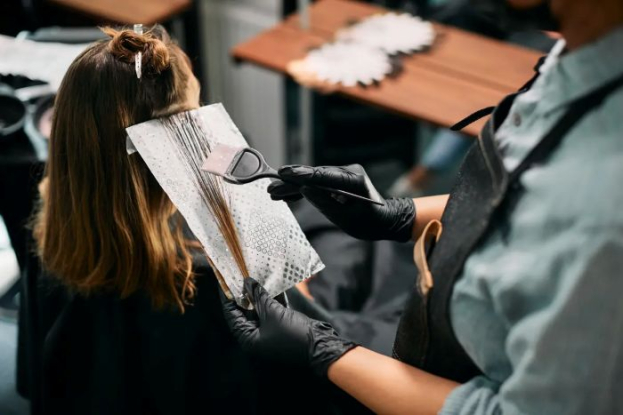
A prominent consumer advocacy group has conducted a study of over 20 popular hair dyes and uncovered a cocktail of toxic substances. Most alarmingly, the exact same ingredient—recognized as a probable carcinogen—was present in every single bottle tested, The New York Post reports.
"Harmful chemicals have no place in products we use every day," Oriene Shin, policy counsel for Consumer Reports (CR)—the organization behind the large-scale study—said in a press release. "Not in the hair dye adults use to cover grays, nor in the hair chalk children use for school spirit days. Nowhere."
The cumulative effect: What is the risk of your beauty routine?
Typically, consumers complain about hair dye due to basic skin irritation, such as redness, itching, or burning. However, researchers warn that the hidden threat accumulating in the body over years is far more terrifying.
"Some chemicals in permanent hair dyes are designed to penetrate deep into the hair shaft. Once inside the body, these chemical ingredients or their breakdown products can damage DNA, cause inflammation, or disrupt the endocrine system," said Dr. Adana Llanos, an associate professor of epidemiology at Columbia University.
For the testing, CR sent 21 boxes of hair dye and two types of temporary colored hair chalk, purchased from major US retailers, to an independent laboratory. Experts screened the samples for phthalates, heavy metals, and volatile organic compounds (VOCs).
VOCs easily evaporate into the air and penetrate the lungs. Short-term exposure causes headaches and nausea, but regular inhalation can damage the liver, kidneys, and central nervous system. Many of them are directly linked to an increased risk of cancer.
The main culprit in every bottle
The chemical that shocked researchers was dichloromethane (also known as methylene chloride). It was detected in absolutely every tested sample. In US manufacturing, this substance is used in paint strippers, adhesives, and pharmaceuticals. In animal studies, dichloromethane has been proven to cause cancer.
The brand anti-ranking based on dichloromethane levels:
-
L’Oréal Paris Féria (shade Downtown Brown) — the absolute leader in toxin concentration.
-
Revlon ColorSilk (dark brown shades) — took second and third places.
While regulations typically restrict the use of dichloromethane in cosmetics, CR notes that loopholes exist for certain dye formulas—manufacturers simply need to place a warning label on the box.
In an official statement to The New York Post, a Revlon spokesperson rushed to assure that the company "stands behind the safety of its products."
"Our quality standards are long-established and remain high. We are fully confident in the products on the market today," Revlon stated.
Representatives for L’Oréal Paris did not respond to press inquiries by the time of publication.
Arsenic, lead, and benzene in children’s chalk
The list of findings was not limited to dichloromethane alone. The lab identified several other hazardous components:
-
Toluene (found in 6 products) — a solvent that causes respiratory irritation and is toxic to the nervous system.
-
DEHP (found in 4 products) — a phthalate that scientists link to heart disease, infertility, and early menopause.
-
Benzene — discovered in hair chalks marketed for children. This is a highly dangerous carcinogen known to cause bone marrow cancer.
As for heavy metals, 15 out of 23 products came back "clean." However, the situation is grim for the remaining samples: traces of arsenic were found in four dyes, lead (which causes brain damage and hypertension) in two, and chromium, which triggers severe blistering allergies, in six.
Industry response and the bitter truth about labels
The Personal Care Products Council (an industry trade group) predictably pushed back against the study's findings, claiming that all dyes are "extensively tested and deemed safe."
However, experts point out a massive flaw in current legislation: manufacturers are not legally required to list every single ingredient on the label. For instance, complex chemical scents are often hidden under the umbrella term "fragrance," protected as trade secrets.
"Claims like 'clean,' 'non-toxic,' or 'plant-based' are largely unregulated by law. You shouldn’t take them at face value," Dr. Llanos concluded.
Follow NEWS.am STYLE on Facebook, Twitter and Instagram

- From Fawn Spots to Coffee French Tips: The Biggest Nail Trends for Fall/Winter 2026 Natural shades, unusual patterns and understated accents are set to define the manicure trends for fall and winter 2026. Vogue Arabia has highlighted several ideas to refresh your go-to look...
- Hailey Bieber’s Rhode Launches Strawberry-Shaped Pimple Patches and a New Skincare Accessory Hailey Bieber’s Rhode has unveiled several new additions to its Spotwear line, including the Spot Case, the brand’s first-ever accessory designed to store its skincare patches, and adorable new patches shaped like strawberries...
- The Ordinary Launches Lacto-PDRN Eye Cream for a Brighter, More Radiant Look After Just One Application The Ordinary is expanding its eye-care range with the launch of the new Lacto-PDRN 4% + B9 Eye Cream, a hydrating formula designed to make the eye area look fresher and more radiant after just one application. With regular use, the brand says, the results become even more noticeable...
- Beauty with a Surprise: Scientists Find Microscopic Mites Under Eyelash Extensions Women who regularly get eyelash extensions may be highly likely to have microscopic mites living on their lashes, according to a new study cited by the Telegraph...
- Dior’s Glow of Luxury: Jenna Ortega, Anya Taylor-Joy and Jisoo Front New Skin Tint Dior Beauty is expanding its complexion makeup lineup with the launch of Dior Backstage Glow-Up Skin Tint, its first three-in-one hybrid complexion product. To mark the highly anticipated debut, the luxury house has assembled a star-studded ambassador lineup, with Jenna Ortega, Anya Taylor-Joy and Jisoo starring in the campaign and showcasing the skincare-infused formula...




-
23:01, October 22
Dior at $800, Maison Francis Kurkdjian at $1,200: The Most Luxurious Advent Calendars of 2026 -
22:18, October 22
Outrage Over Inaccessible Luxury: Why Dior and Hermès Boutiques Were Looted in France -
21:33, October 22
Luxury Yachts, Secret Palaces and Private Hunting Grounds: How the World’s Most Brutal Dictators Spent Their Holidays -
20:26, October 22
Sharon Stone, 68, Recreates Iconic Basic Instinct Scene 34 Years Later -
19:39, October 22
Bugatti Restores One-of-a-Kind $5 Million Veyron With a Polished Aluminum Body -
19:17, October 22
Dolce&Gabbana and Mytheresa Unveil Luxurious Christmas 2026 Collection -
16:27, October 22
Is the Birkin Era Coming to an End? Hermès’ Iconic Bag Is Losing Its Appeal as Resale Prices Plunge -
15:40, October 22
“He Is Becoming More Dangerous”: Psychologist Says Trump Displays Signs of Psychopathy -
15:18, October 22
Queen Camilla Distrusted Meghan Markle From the Start and Believed She Had “Zombified” Prince Harry -
14:32, October 22
“Money Will Become Irrelevant”: Elon Musk Predicts a Currency-Free Future and Reveals What Will Happen to His Billions -
14:09, October 22
Mark Zuckerberg Threatens to Leave California and Sell His $110 Million Mansion Over Proposed Billionaires’ Tax -
13:19, October 22
Kylie Jenner’s $50 Million Fantasy Bra Set for Private Sale: Who Could Own the Most Expensive Victoria’s Secret Showpiece?
All materials

@NEWSam_STYLE
@NEWSam_STYLE
- Archive