



style.news.am

style.news.am

NEWS.am STYLE

NEWS.am STYLE

NEWS.am STYLE

How Nare was welcomed at Zvartnots Airport after winning the Junior Eurovision Song Contest: the singer's emotions

NEWS.am STYLE

NEWS.am STYLE

NEWS.am STYLE

NEWS.am STYLE

NEWS.am STYLE

NEWS.am STYLE

NEWS.am STYLE

NEWS.am STYLE

NEWS.am STYLE

NEWS.am STYLE

The 23rd "Golden Apricot" Yerevan International Film Festival has kicked off

NEWS.am STYLE




Microplastics in humans — myth or reality? Scientists call early studies a “joke”
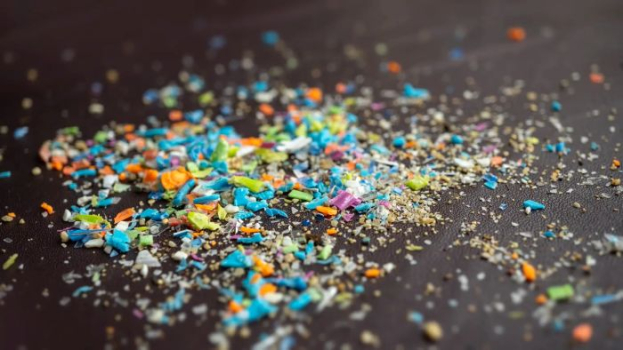
Despite microplastics being everywhere — in clothing, cleaning products, food, water, and air — new scientific assessments are challenging previous claims that these tiny particles accumulate inside the human body.
Several experts told The Guardian that some widely circulated studies on microplastics are “biologically implausible” and even “a joke.” Chemist Roger Culeman commented: “Many researchers make extraordinary claims but don’t provide even basic evidence.”
The History of Microplastic Research
The first major study suggesting humans ingest microplastics dates back to 2018, when Austrian scientists analyzed stool samples from eight countries and reportedly found microplastics in every sample. Later studies claimed to detect particles in various organs and tissues — from the placenta and kidneys to the lungs and liver.
However, journalists found that at least seven widely cited studies have since been criticized. Some reviews showed that human tissue itself can produce signals mimicking plastic, resulting in false positives.
A study claiming to find microplastics in the human brain drew particular skepticism. German expert Dusan Materich called it “a joke”, explaining: “Fat is known to give false signals for polyethylene. The brain is 60% fat.”
Skepticism About Biological Plausibility
Other researchers question the reported amounts of microplastics in the body. Environmental chemist Cassandra Raurt noted: “Given typical daily exposure, it’s biologically improbable for such quantities of plastic to end up in organs.”
Fazel Monik, a nanomaterials specialist at the University of Padua, added that even if a particle reaches a protected organ, it wouldn’t appear as depicted in most published studies.
Practical Takeaways
While the criticism points to methodological flaws and potential exaggeration, scientists stress that the risks shouldn’t be completely ignored. Microplastics can carry toxic chemicals that may trigger inflammation, cell damage, hormone disruption, gut microbiome imbalance, reduced fertility, and increased chronic disease risk.
Experts recommend simple precautions, like avoiding drinking from plastic bottles and heating food in plastic containers, the main dietary sources of microplastics.
Raurt emphasized: “We need accurate data to inform public health authorities, governments, and the public, and to develop proper regulations and policies.”
Materich concluded: “Microplastics in our bodies? Probably. But it’s wise to take precautions to minimize the risks — that’s what I do myself.”
Follow NEWS.am STYLE on Facebook, Twitter and Instagram

- ‘Angry Birds’ for Intimate Muscles: An Unusual Video Game Designed for Women Traditional video games, in which characters are controlled by moving your fingers, are becoming a thing of the past. Now, virtual characters can be controlled using the pelvic floor muscles. The Perifit Care+ device turns Kegel exercises into a smartphone game, helping women train their intimate muscles while monitoring whether they are performing the exercises correctly...
- A Simple Bedtime Habit Could Help You Lose Weight Going to bed earlier may be associated with weight loss in people with prediabetes. According to a new study, every hour earlier participants went to bed was linked to approximately 590 grams of weight loss over eight weeks. However, researchers stress that the findings do not prove that changing sleep habits alone leads to weight loss...
- Boxers or Briefs? Scientists Investigate How Men’s Underwear May Affect Sexual Health Men concerned about their reproductive health may want to take another look inside their underwear drawers. A large-scale study involving 27,000 men has found an association between wearing tight-fitting underwear, poorer sperm quality and sexual dysfunction. However, researchers stress that whether loose-fitting boxers actually improve a man's chances of conceiving a child remains an open question...
- Diet Soda or Water: Study Reveals Which Drink Is More Effective for Weight Loss Sugar-free soft drinks may be just as effective as plain water for weight loss, according to researchers at the University of Liverpool in the UK. Their conclusion is based on a two-year randomized trial involving nearly 500 people who were overweight or living with obesity...
- Your Smartphone Could Be Stealing Years of Your Life: Scientists Warn of the Consequences of Endless Scrolling Spending hours scrolling through social media may have far more serious consequences for health than previously thought. According to a major scientific review, excessive screen use is linked to millions of years of life lived with mental health disorders...




-
16:28, November 27
Vintage Perfumes Are Back in Fashion: Five Iconic Fragrances That Make Perfect New Year Gifts -
15:46, November 27
Kanye West and Bianca Censori Are Set to Renew Their Wedding Vows -
15:21, November 27
“Too Old to Lose Weight”: Overweight Leopard Bao Bao Becomes a Social Media Star and Is Given a Lifetime Exemption From Dieting -
14:33, November 27
Alec Baldwin Claims US Authorities May Have Been Behind John F. Kennedy’s Assassination -
14:15, November 27
Brad Pitt Is Happy With Ines de Ramon but Has No Plans to Get Married -
13:12, November 27
Legendary Supermodel Veruschka Dies at 87: Icon of the 1960s Fashion Scene Passes Away -
12:44, November 27
Arnold Schwarzenegger Shops for Christmas Gifts All Year Round: The Actor Personally Picks Out Presents for His Children, Grandchildren and Girlfriend -
12:19, November 27
Travis Barker Opens Up About Married Life With Kourtney Kardashian: “I Barely See Her” -
11:38, November 27
Gérard Depardieu to Face Rape Trial Again as Actor Faces Up to 20 Years in Prison -
11:18, November 27
Five Years Without Sex and a “Lavender Marriage”: Khloe Kardashian Considers Marrying a Gay Man -
10:30, November 27
“The French President Is the Third Wheel”: Emmanuel Macron Unexpectedly Crashes Katy Perry and Justin Trudeau’s Romantic Selfie -
23:01, November 26
Champagne, £3,000 Dior Bags and Theft from Lovers: Glamorous Con Artist Spent Years Swindling London’s Elite
All materials

@NEWSam_STYLE
@NEWSam_STYLE
- Archive