



style.news.am

NEWS.am STYLE

NEWS.am STYLE

NEWS.am STYLE

How Nare was welcomed at Zvartnots Airport after winning the Junior Eurovision Song Contest: the singer's emotions

NEWS.am STYLE

NEWS.am STYLE

NEWS.am STYLE

NEWS.am STYLE

NEWS.am STYLE

NEWS.am STYLE
NEWS.am STYLE

NEWS.am STYLE

NEWS.am STYLE

NEWS.am STYLE

The 23rd "Golden Apricot" Yerevan International Film Festival has kicked off

NEWS.am STYLE

NEWS.am STYLE

Tokyo is becoming a “colony for the rich,” Pritzker Prize winner warns
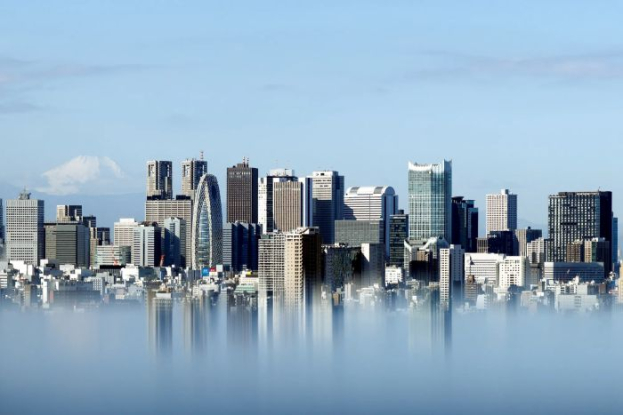
Renowned architect Riken Yamamoto, who won the Pritzker Prize in 2024—often called the “Nobel Prize of Architecture”—has sharply criticized Tokyo’s modern development, warning that the megacity is gradually turning into a “colony for the wealthy.” According to Bloomberg, Yamamoto said new projects are being built not for residents, but for the elite and investors.
Tokyo has always been a city of constant change: old buildings are torn down and replaced with newer, earthquake-resistant structures. Yet for a long time, the capital maintained a human scale—narrow streets, small shops, cafes, and relatively affordable housing even in prestigious neighborhoods. Now, however, the city is being transformed by glass-and-steel “sculptures” — luxury offices, high-end boutiques, and upscale condominiums.
“This looks like a colony for the rich, for the neoliberal elite,” Yamamoto said. “What is being built now is completely unsuitable for local residents.”
The Rise of Tower Mansions and Luxury Office Space
The number of “tower mansions”—high-rise residential complexes—has been growing rapidly as the city seeks to accommodate its population. In Greater Tokyo, there were 812 such buildings in 2024, and roughly a quarter of them were built in the last 10 years. Office real estate is also expanding: about 1.8 million square meters of new office space is expected to enter the market between 2024 and 2026.
Elite Enclaves and Mori Building Criticism
Yamamoto acknowledged that developers are necessary for the city, but he expressed concern that new projects are creating closed, wealthy enclaves. He singled out Mori Building’s large-scale complexes—Tokyo’s famous Roppongi Hills and Azabu Hills—which have become symbols of elite urban development, featuring luxury shops and meticulously manicured greenery.
He even named prominent architects Kengo Kuma and Tadao Ando, questioning whether they consider local communities when designing their projects.
His remarks stand out in Japan’s architectural culture, where public criticism of peers is rare. But the public has already shown signs of discontent: in 2024, plans to redevelop the Meiji Jingu Gaien area sparked protests over the cutting of ancient ginkgo trees, and the relocation of the historic Tsukiji market became a symbol of the “loss of the city’s soul.”
Follow NEWS.am STYLE on Facebook, Twitter and Instagram

- $165,000 Skull-Shaped Watch with Spinning Flowers: Takashi Murakami Makes His Haute Horlogerie Debut Japanese artist Takashi Murakami, famous for his smiling flowers, Mr. DOB character and Superflat art movement, is setting his sights on the world of haute horlogerie. The artist has unveiled a new project called Time Objects, bringing together his signature visual style and cutting-edge watchmaking technology...
- “He’s Still Young and Incredibly Energetic”: Ben Stiller Praises Robert De Niro 26 Years After They First Met Twenty-six years after the release of the comedy Meet the Parents, Ben Stiller has fondly reflected on his long-standing friendship with Robert De Niro, admitting that he still marvels at his co-star's energy, youthful spirit and extraordinary vitality...
- $2.5 Million Watch: How One Unique Serial Number Turned a Patek Philippe into the Auction's Most Coveted Treasure The timepiece is the first numbered example of the legendary Ref. 3970, introduced in 1986. For collectors, it is more than a luxury accessory: it is a rare piece of history from one of Switzerland's most prestigious watchmakers...
- “Not Today, Emmanuel!”: Iceland’s Prime Minister Appears to Dodge Macron’s Hug French President Emmanuel Macron found himself at the centre of an unexpectedly awkward moment during a gathering of European leaders in Dublin. His attempt to hug Icelandic Prime Minister Kristrún Frostadóttir apparently did not go quite as he had hoped, judging by the photographs...
- Money Can’t Buy You In: The Unwritten Rules of the Super-Rich In a world where money can secure a table at the trendiest restaurant, a suite at a five-star hotel or admission to an exclusive event, true luxury is taking on an entirely different meaning. Today, the most valuable privileges cannot simply be bought. They depend on personal connections, reputation and the trust of people willing to vouch for you...




-
22:21, November 13
Royal Secrets and $430,000 Pearls: The Story of a Necklace That Concealed a Family Mystery -
21:30, November 13
$165,000 Skull-Shaped Watch with Spinning Flowers: Takashi Murakami Makes His Haute Horlogerie Debut -
20:16, November 13
Billionaires Are Trying to Cheat Death: $15,000 Injections, Private Doctors and AI Systems That Manage Their Health -
16:34, November 13
$2 Million Per Episode: Hollywood's Biggest Stars, from Sylvester Stallone to Zendaya, Reveal Their Eye-Watering TV Salaries -
15:40, November 13
From the Red Carpet to an Exclusive Chanel Dinner: Robert De Niro and His Younger Partner Enjoy New York's Glamorous Nights -
15:20, November 13
“I Don't Have to Change My Beliefs”: Arnold Schwarzenegger Explains Why He Is Still a Republican -
14:39, November 13
Mystery Surrounds Death of 23-Year-Old TikTok Star: Police Launch Investigation into Brazilian Influencer's Passing -
14:14, November 13
“He’s Still Young and Incredibly Energetic”: Ben Stiller Praises Robert De Niro 26 Years After They First Met -
13:28, November 13
$2.5 Million Watch: How One Unique Serial Number Turned a Patek Philippe into the Auction's Most Coveted Treasure -
12:37, November 13
Billionaire Ted Turner Leaves Jane Fonda Out of His Will: Who Will Inherit the CNN Founder's $2.5 Billion Fortune? -
12:17, November 13
“Rich but Never Satisfied”: Michelle Obama Faces Backlash Over Her Latest Complaints -
11:28, November 13
Love Affairs Cost Nvidia Chief His Job: Third Alleged Mistress Linked to Jensen Huang
All materials

@NEWSam_STYLE
@NEWSam_STYLE
- Archive