



NEWS.am STYLE

NEWS.am STYLE

NEWS.am STYLE

NEWS.am STYLE
NEWS.am STYLE

NEWS.am STYLE

NEWS.am STYLE

NEWS.am STYLE

The 23rd "Golden Apricot" Yerevan International Film Festival has kicked off

NEWS.am STYLE

NEWS.am STYLE

NEWS.am STYLE

NEWS.am STYLE

Nikos Vertis to perform in Armenia for the 3rd time at the invitation of “ACVA BUILDINGS”

NEWS.am STYLE

NEWS.am STYLE

NEWS.am STYLE

NEWS.am STYLE




Tokyo is becoming a “colony for the rich,” Pritzker Prize winner warns
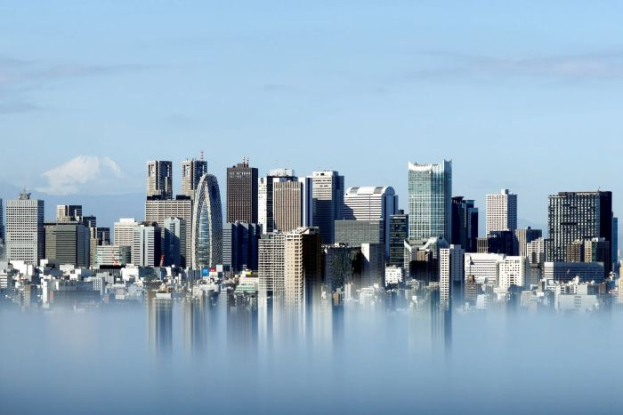
Renowned architect Riken Yamamoto, who won the Pritzker Prize in 2024—often called the “Nobel Prize of Architecture”—has sharply criticized Tokyo’s modern development, warning that the megacity is gradually turning into a “colony for the wealthy.” According to Bloomberg, Yamamoto said new projects are being built not for residents, but for the elite and investors.
Tokyo has always been a city of constant change: old buildings are torn down and replaced with newer, earthquake-resistant structures. Yet for a long time, the capital maintained a human scale—narrow streets, small shops, cafes, and relatively affordable housing even in prestigious neighborhoods. Now, however, the city is being transformed by glass-and-steel “sculptures” — luxury offices, high-end boutiques, and upscale condominiums.
“This looks like a colony for the rich, for the neoliberal elite,” Yamamoto said. “What is being built now is completely unsuitable for local residents.”
The Rise of Tower Mansions and Luxury Office Space
The number of “tower mansions”—high-rise residential complexes—has been growing rapidly as the city seeks to accommodate its population. In Greater Tokyo, there were 812 such buildings in 2024, and roughly a quarter of them were built in the last 10 years. Office real estate is also expanding: about 1.8 million square meters of new office space is expected to enter the market between 2024 and 2026.
Elite Enclaves and Mori Building Criticism
Yamamoto acknowledged that developers are necessary for the city, but he expressed concern that new projects are creating closed, wealthy enclaves. He singled out Mori Building’s large-scale complexes—Tokyo’s famous Roppongi Hills and Azabu Hills—which have become symbols of elite urban development, featuring luxury shops and meticulously manicured greenery.
He even named prominent architects Kengo Kuma and Tadao Ando, questioning whether they consider local communities when designing their projects.
His remarks stand out in Japan’s architectural culture, where public criticism of peers is rare. But the public has already shown signs of discontent: in 2024, plans to redevelop the Meiji Jingu Gaien area sparked protests over the cutting of ancient ginkgo trees, and the relocation of the historic Tsukiji market became a symbol of the “loss of the city’s soul.”
Follow NEWS.am STYLE on Facebook, Twitter and Instagram

- £20,000 ‘Madonna bra’ sculptures burned children: unusual artwork moved out of the sun An unusual £20,000 art installation that locals compared to Madonna’s iconic cone bra has been moved into the shade after complaints that its metal structures became scorching hot in the sun and could burn children, the Daily Mail reports...
- ‘They’ll Do Anything for Likes’: Influencers Accused of Photoshoot Beside Ambulance as Patient Was Being Treated It seems the race for viral content has reached a new level of absurdity...
- Dom Pérignon Teams Up with Damien Hirst as Iconic Champagne Becomes a Work of Art Dom Pérignon has teamed up with British artist Damien Hirst to create a special limited-edition collection for the end of 2026...
- “Cinematic, Cosmopolitan and Wonderful”: Vogue France Features a Dream Wedding in Armenia What happens when Armenian wedding traditions meet the cultures of Vietnam, Cambodia and China? Sara-Mae Ngo and Gevorg Ambartsumyan transformed their wedding into a cinematic story where family traditions, French fashion, the music of Charles Aznavour and Armenian culture came together. French Vogue has now chronicled their extraordinary celebration in detail...
- TikTok Star with Millions of Followers Admits She Has Never Read a Book Not so long ago, admitting that you hardly ever read would have been embarrassing. Today, however, a lack of interest in books seems to have become almost fashionable among some members of the younger generation — at least judging by the surprising confession of popular influencer Alix Earle...




-
17:34, October 3
Daniel Roseberry returns to Schiaparelli’s roots with daring collection featuring golden accents and bare breasts
-
16:14, October 3
£20,000 ‘Madonna bra’ sculptures burned children: unusual artwork moved out of the sun -
15:21, October 3
‘They’ll Do Anything for Likes’: Influencers Accused of Photoshoot Beside Ambulance as Patient Was Being Treated -
14:22, October 3
Tiffany Trump finds herself in an awkward situation over AI -
13:03, October 3
Kathleen Turner finally reacts to Michael Douglas’s confession about their secret affair: “What a fuss over something that happened 40 years ago!” -
12:18, October 3
Ben Affleck was reportedly set up with Shakira: actor says he is not looking for a new romance -
11:27, October 3
Ex-husband dismembered influencer’s body and boiled it with vegetables to mask the smell: shocking details of Abby Choi’s murder -
10:30, October 3
Elon Musk leaves the mother of four of his children: Shivon Zilis admits their split came as a shock -
23:01, October 2
Popular Weight-Loss Drugs Could Deprive the Brain of Energy, Expert Warns -
22:31, October 2
Erling Haaland Sues Airline Over His Famous Hairstyle -
21:22, October 2
Audemars Piguet Turns the Legendary Royal Oak into Luxurious Jewelry with Diamonds, Sapphires and Emeralds -
20:14, October 2
Pierpaolo Piccioli Reimagines Balenciaga with Couture Techniques, Bold Color and New Lightness
All materials

@NEWSam_STYLE
@NEWSam_STYLE
- Archive