



NEWS.am STYLE
NEWS.am STYLE

NEWS.am STYLE

NEWS.am STYLE

NEWS.am STYLE

NEWS.am STYLE
NEWS.am STYLE

NEWS.am STYLE

NEWS.am STYLE

NEWS.am STYLE

The 23rd "Golden Apricot" Yerevan International Film Festival has kicked off

NEWS.am STYLE
NEWS.am STYLE

NEWS.am STYLE

NEWS.am STYLE

Nikos Vertis to perform in Armenia for the 3rd time at the invitation of “ACVA BUILDINGS”

NEWS.am STYLE

NEWS.am STYLE

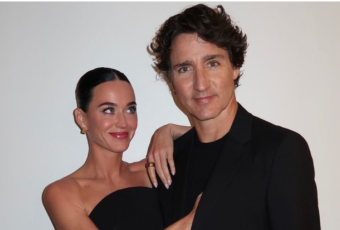

LVMH sees sales growth amid market uncertainty, warns Bernard Arnault
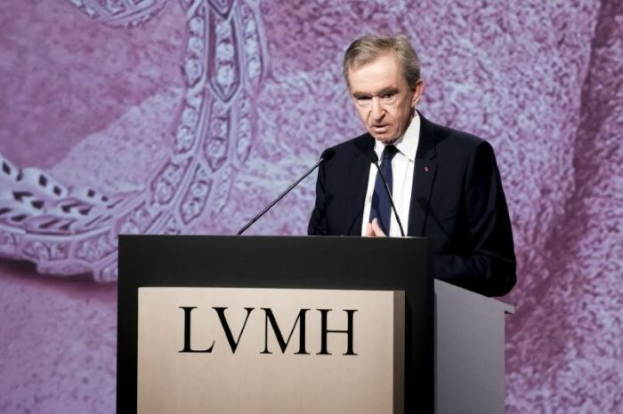
LVMH CEO Bernard Arnault has cautioned that ongoing geopolitical instability is making it difficult to make “serious predictions” for 2026, despite reporting growth in the fourth quarter, according to the Financial Times.
The luxury conglomerate, which owns Louis Vuitton and Dior, saw organic sales rise 1% in Q4 to €22.7 billion, slightly exceeding analyst expectations and maintaining momentum from the previous quarter. This has fueled hope that the luxury sector may be slowly emerging from a painful multi-year slump.
“I am optimistic in the medium term, but in the short term, it’s hard to make serious forecasts,” Arnault said, citing unpredictable government decisions in several countries.
2025 proved challenging for the industry, as trade tensions between the US and China, two of the biggest luxury markets, continued to weigh on sales. The tense geopolitical backdrop has carried into 2026, including US President Donald Trump’s threats to impose higher tariffs on European nations.
Financial results show that LVMH still faces challenges. Its Fashion & Leather Goods division, which accounts for more than half of the group’s profits, reported a 13% decline in operating profit to €13.2 billion, with sales of clothing and handbags down 3%.
In Asia (excluding Japan), dominated by China, sales rose 1% in Q4, a notable improvement after sharp declines earlier in the year.
Overall, LVMH’s operating profit fell 9% in 2025 to €17.8 billion, although this was better than analysts’ forecasted 12.4% drop. Barclays described the results as a “mixed bag,” highlighting weaker performance in the Fashion & Leather Goods segment.
Chief Financial Officer Cécile Cabanis emphasized that the company’s “creative renewal” initiatives during the downturn give confidence for gradual improvement in 2026, while warning that “the environment remains unstable and uncertain, and we may need to react to situations as they unfold.”
Analysts expect US consumers to drive luxury growth in 2026, with new designer debuts, including Jonathan Anderson at Dior, refreshing the product lines of major brands.
The Wine & Spirits division suffered the biggest hit, with operating profit down 25% to €1 billion, due to slumping cognac sales in China and the US. In contrast, the Watches & Jewelry division, including US jeweler Tiffany, posted 8% organic sales growth in Q4, emerging as a bright spot for the group.
Follow NEWS.am STYLE on Facebook, Twitter and Instagram

- Wine Story. What to Drink When You Feel Like Being Melancholic, Falling in Love and Listening to Jazz As the weather turns colder and the evenings grow longer, a glass of wine becomes the perfect companion to a good film, jazz music or a heartfelt conversation...
- Armenia wins Junior Eurovision 2026 The Junior Eurovision 2026 contest has ended in Malta, with Armenia's representative Nare being declared the winner with the song Boo…
- Armenia's Representative Nare's Performance at the Junior Eurovision Song Contest 2026 The Junior Eurovision Song Contest 2026 is underway in Malta…
- LIVE: Junior Eurovision 2026 has started in Malta. Armenia will perform under the number 8 The “Junior Eurovision” song contest is currently taking place in Malta, where Armenia is represented by Naré with the song Boo…
- AI-Generated Singer Announces Pregnancy and Quits Band — Fans Didn’t Realize She Wasn’t Real Social media users were left confused after news broke that Mity, a member of the Chinese pop group Baby Queen, had announced her pregnancy and decided to take a temporary break from the band. Many fans only then discovered that the group and its members were entirely AI-generated, the Daily Mail reports...




-
18:30, October 25
Wine Story. What to Drink When You Feel Like Being Melancholic, Falling in Love and Listening to Jazz -
01:22, October 25
Armenia wins Junior Eurovision 2026
-
00:16, October 25
Armenia's Representative Nare's Performance at the Junior Eurovision Song Contest 2026 -
23:00, October 24
LIVE: Junior Eurovision 2026 has started in Malta. Armenia will perform under the number 8 -
19:30, October 24
“Kim Kardashian Could Become President”: Biographer Reveals Her Family Secrets, Scandalous Past and Obsession with Fame -
17:25, October 24
AI-Generated Singer Announces Pregnancy and Quits Band — Fans Didn’t Realize She Wasn’t Real -
16:34, October 24
Salma Hayek’s Daughter Tops Britain’s Most Eligible List: Billionaire Parents, Pubs and Vodka -
15:10, October 24
Timothée Chalamet Ignores Victoria’s Secret Models for Kylie Jenner — His Reaction Goes Viral -
14:20, October 24
Queen Elizabeth II Bragged About Helen Mirren to a Sheikh — But He Didn’t Recognize the Actress -
13:49, October 24
Why Did Tom Cruise Punch Jack Nicholson? -
13:15, October 24
“I Know Where You Are”: Hunter Biden Accused of Threatening Sex Worker -
12:12, October 24
Kim Kardashian Opens Up About Her Romance with Lewis Hamilton: “I’m Very, Very Happy”
All materials

@NEWSam_STYLE
@NEWSam_STYLE
- Archive