



NEWS.am STYLE

NEWS.am STYLE

NEWS.am STYLE
NEWS.am STYLE
NEWS.am STYLE

NEWS.am STYLE
NEWS.am STYLE
NEWS.am STYLE

The 23rd "Golden Apricot" Yerevan International Film Festival has kicked off
NEWS.am STYLE
NEWS.am STYLE

NEWS.am STYLE
NEWS.am STYLE

Nikos Vertis to perform in Armenia for the 3rd time at the invitation of “ACVA BUILDINGS”
NEWS.am STYLE

NEWS.am STYLE
NEWS.am STYLE
NEWS.am STYLE




"Motherhood in space": The first children could be born on the Moon or Mars by 2031
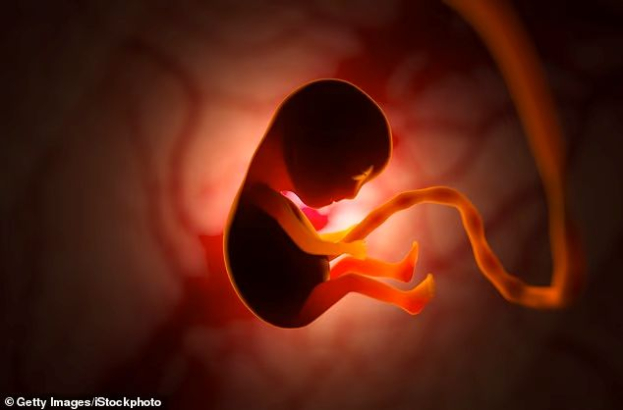
The idea of giving birth to a child in space sounds like the plot of a new sci-fi blockbuster. However, scientists assert that humanity is on the threshold of a new era where cosmic reproduction will become a reality.
In a recent study, an international group of experts stated that fertility issues beyond Earth must become a priority. "The problem of reproduction in space is no longer theoretical, but extremely practical," says Dr. Fati Karouia of NASA, reports the Daily Mail.
Why It Matters
Plans for the colonization of Mars and long-term lunar missions require a complete understanding of how zero gravity, cosmic radiation, and stress affect the health of future parents and embryonic development. It is already known that radiation can cause serious developmental issues in newborns, and their bodies may not be adapted to Earth's gravity.
"As the human presence in space expands, reproductive health issues can no longer remain a political blind spot," Karouia emphasizes.
Reality vs. Hollywood
In films like the 1979 Moonraker, sex and pregnancy in space appear easy. In reality, the physical and biological challenges are immense: low gravity, cosmic radiation, and psychological stress can impact hormones, fertility, and fetal health.
Nevertheless, scientists assure that sperm and eggs can be transported into space for subsequent IVF. The International Space Station (ISS) already houses biological experimental units that are analogous to equipment found in IVF laboratories on Earth.
The First Space Baby: When to Expect It?
Predictions suggest that the first child could be born in space as early as 2031. Looking further ahead, European scientists envision full-fledged lunar colonies by 2050, where families can live and raise children. "The first settlers on the Moon could arrive by 2030—comprising 6 to 10 scientists, engineers, and specialists. By 2040, that number could grow to about 100, and by the middle of the century, the emergence of families is possible," says Professor Bernard Foing, ambassador for the ESA "Moon Village" program.
The colonization of space opens not only new horizons for humanity but a completely new perspective on family, motherhood, and parenthood.
Follow NEWS.am STYLE on Facebook, Twitter and Instagram

- 30,000 Bottles of Fine Wine Worth £4 Million Stolen in Italy in Suspected Biggest Winery Heist in the Country’s History Italy has been hit by what is believed to be the biggest winery heist in the country’s history, with a gang of professional thieves making off with around 30,000 bottles of fine wine worth an estimated £4 million...
- Can Garlic Help You Win a Woman Over? Scientists Explore How Food Affects Dating Before a first date, it is worth thinking about more than just what to wear — what you eat may also make a difference. Researchers have found that diet can influence first impressions, affecting everything from skin tone and body odor to facial flushing and even pupil size...
- Private Maldives Island Listed for $72 Million — and Buyers Can Pay in Cryptocurrency An extraordinary piece of luxury real estate has hit the market in the Maldives: a private island featuring four fully furnished villas, its own beach and a coral reef. Part of the new Baccarat Maldives resort development, the island is listed for $72 million. What makes the deal particularly unusual is that buyers can pay not only with traditional currency but also with stablecoins — digital assets pegged to the value of the US dollar, Robb Report reports...
- Why Do Billionaires Have So Many Children If They Aren’t Prepared to Raise Them Themselves? Kim Kardashian’s admission that five nannies help care for her four children has sparked an uproar. But among the ultrawealthy, there are far more extreme approaches to parenthood, The Guardian reports...
- Silicon Valley Billionaires Want to Reverse Aging: First Human Trial Offers Encouraging Signs Jeff Bezos, Peter Thiel, Yuri Milner and Sam Altman are investing in one of the most ambitious areas of modern biotechnology: cellular reprogramming. Scientists hope the technology will allow aging cells to return to a more youthful state and, eventually, help combat a wide range of age-related diseases. The first clinical trial of the approach in humans is now underway, and preliminary findings look promising, Business Insider reports...




-
19:19, October 10
Meghan Markle Wants to Flee Prince Harry as Reports Claim Their Marriage Is on the Brink of Collapse -
18:20, October 10
30,000 Bottles of Fine Wine Worth £4 Million Stolen in Italy in Suspected Biggest Winery Heist in the Country’s History -
17:33, October 10
Can Garlic Help You Win a Woman Over? Scientists Explore How Food Affects Dating -
16:30, October 10
Private Maldives Island Listed for $72 Million — and Buyers Can Pay in Cryptocurrency -
15:24, October 10
Donald Trump’s Granddaughter Kai Criticized Over Luxury Apartment and $531 Sephora Haul: ‘Spoiled Heiress’ -
14:14, October 10
Megan Fox Launches Her Own OnlyFans Rival With Subscriptions Starting at $20 a Month -
13:33, October 10
Prince Harry Reportedly Earned $100,000 for Opening Up About Depression and the Death of Princess Diana -
12:17, October 10
“A Victim Who Enjoys Being Stalked”: Trump’s Niece Weighs In on His Unusual Relationship With His Young Aide -
11:22, October 10
“He Saw It as the Death of a Child”: Elon Musk’s Ex-Wife Opens Up About His Reaction to His Daughter’s Transition -
10:30, October 10
Amal Clooney Gets Ahead of the Trends in a Glamorous Gucci Gown -
23:01, October 9
Why Do Billionaires Have So Many Children If They Aren’t Prepared to Raise Them Themselves? -
22:21, October 9
Silicon Valley Billionaires Want to Reverse Aging: First Human Trial Offers Encouraging Signs
All materials

@NEWSam_STYLE
@NEWSam_STYLE
- Archive